

February 19, 2026

Archbishop declares transgender marriage null

The Catholic Herald
More
Related
No items found.
Min read
share

The Archdiocese of Corrientes has appeared to reverse course after first allowing the celebration of a wedding between two people who publicly identify as transgender and later announcing that the union has no canonical effect and will be annulled by decree.

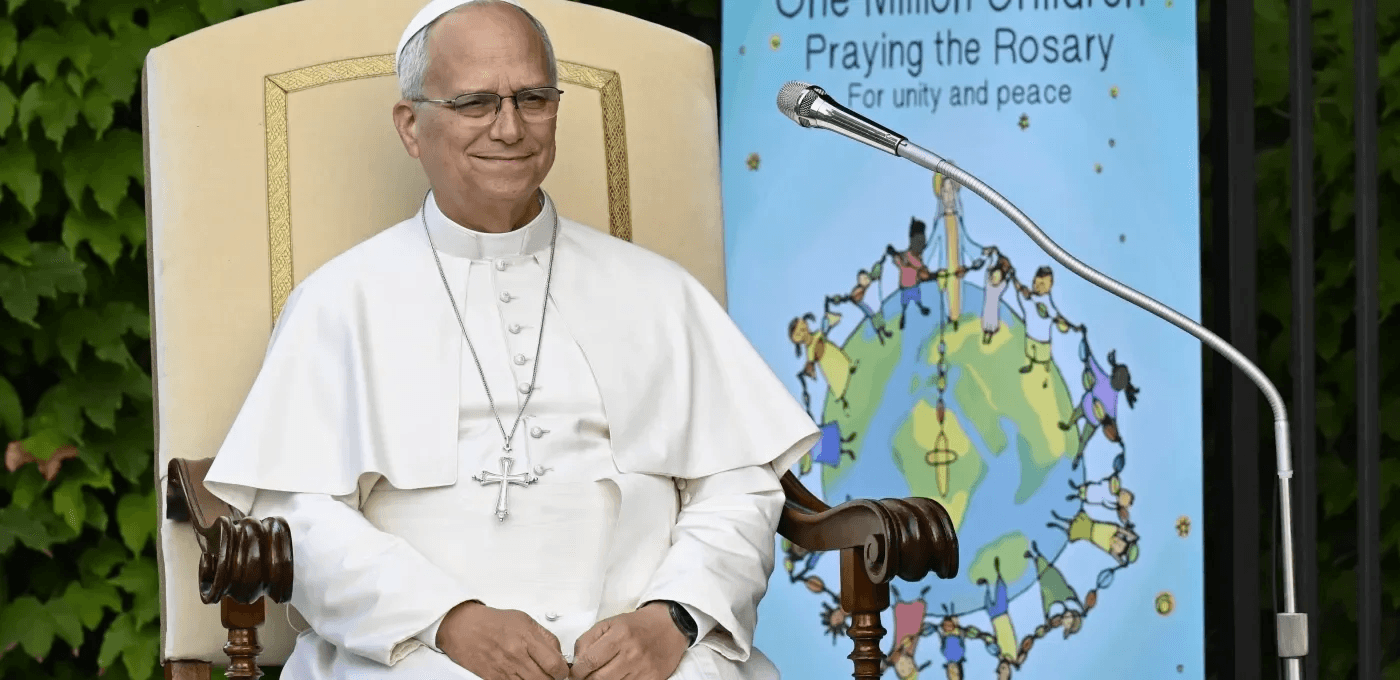
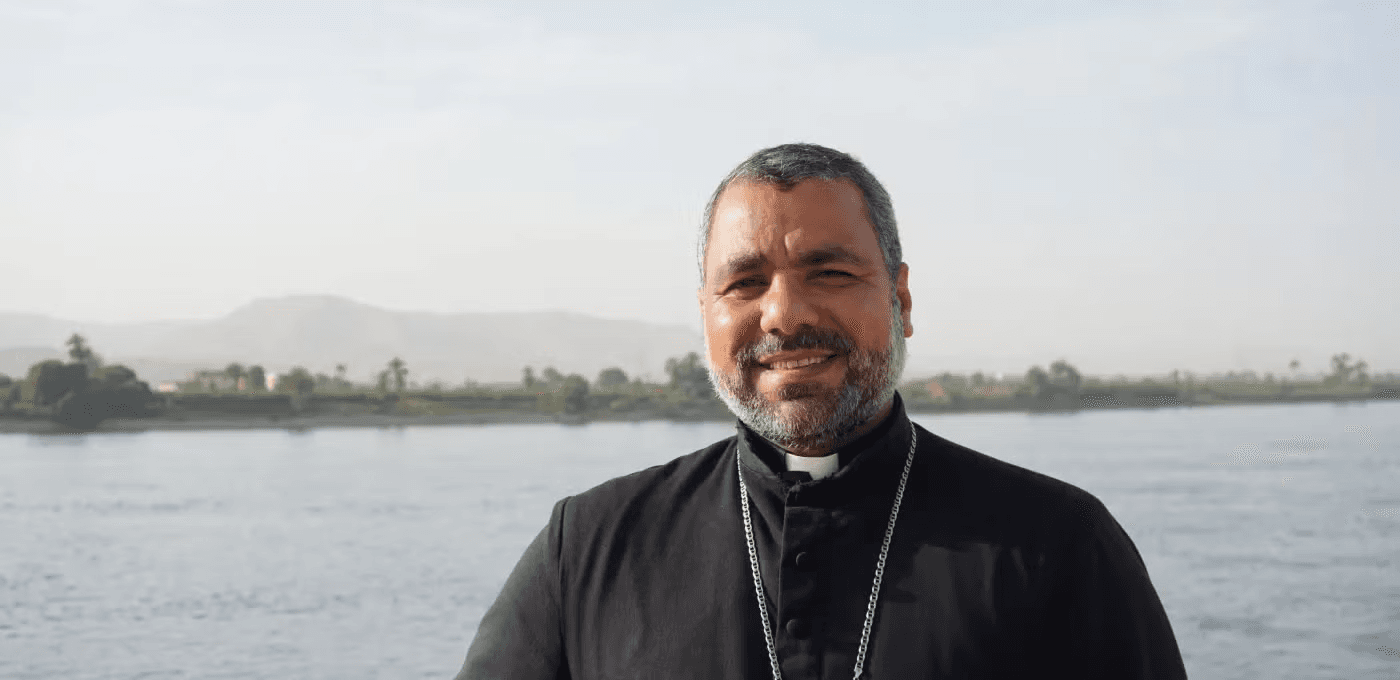
Speaking to Crux, Archbishop Larregaín, Archbishop of the diocese, said that in such circumstances a marriage is null ipso facto because it does not comply with the requirements of matter and form necessary for a valid sacrament. “That happens automatically, but a formal decree is issued,” he said. He added that welcoming everyone in the Church does not mean that sacraments may be administered when essential conditions are not met. He also referred to Pope Francis’s declaration Fiducia Supplicans and the need to avoid confusion between pastoral blessings and the rite of marriage.
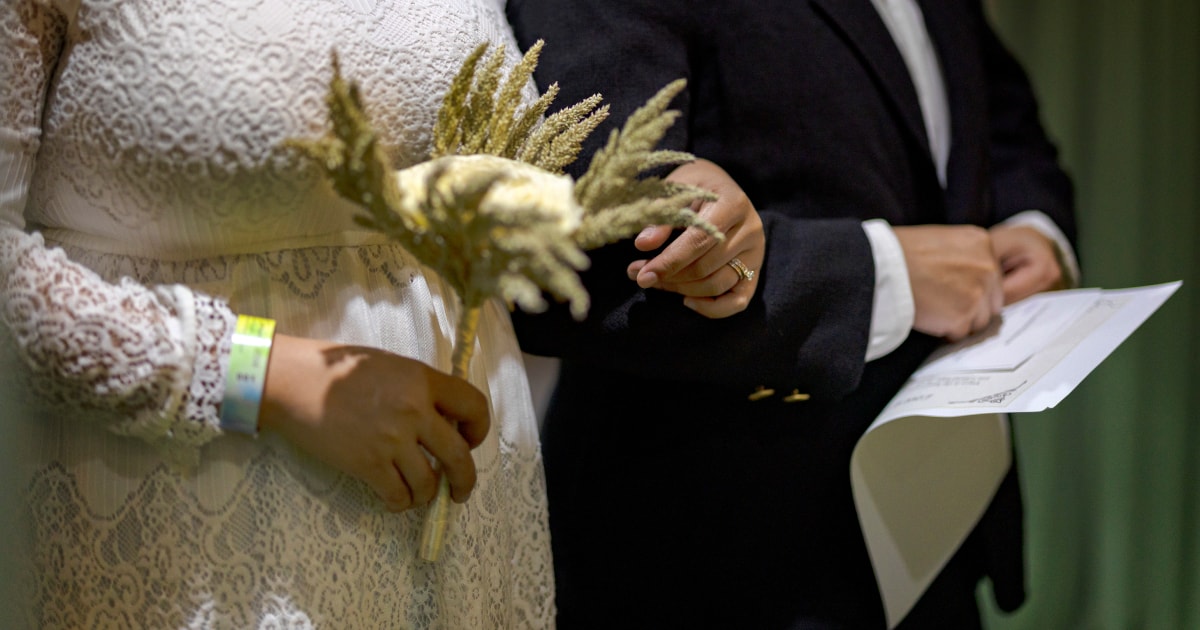
The ceremony took place on 28 January at Our Lady of Pompeya parish in the city of Corrientes, Argentina. Solange Ayala, who is biologically male and presents as female, and Isaías Díaz Núñez, who is biologically female and presents as male, exchanged vows according to the Catholic rite in a celebration presided over by Fr Fernando Luis Gómez.

According to local media reports, the parish priest had consulted Archbishop José Adolfo Larregaín prior to the wedding. It was understood that, on the basis of the couple’s biological sex, there was no canonical impediment to the validity of the marriage. The essential requirement for a valid Catholic marriage under canon law is that it be contracted between one baptised man and one baptised woman, freely consenting and without impediment.

Ayala told Radio Sudamericana that the couple had followed the usual procedures required for marriage preparation, “just like everybody else”. She said they approached the priest, who received them warmly and explained the steps to follow. Gómez subsequently met Archbishop Larregaín and later informed the couple that there was nothing to object to regarding their ability to enter into marriage, since, speaking in biological terms, they were a man and a woman.

Videos circulated on social media showed parts of the ceremony, including the moment when Ayala’s father escorted the bride to the altar. 

In comments to local media, Ayala acknowledged that neither she nor her spouse were particularly devout Catholics, but described the ceremony as a significant personal milestone. She also stated that they were permitted to use their current names in the ecclesiastical documentation and were not required to revert to the names recorded on their baptismal certificates.

After widespread media coverage and public reaction, the Archdiocese of Corrientes issued a statement on 8 February confirming that it had opened a canonical investigation into the circumstances of the wedding. The archdiocese said it was seeking to review the facts and determine responsibilities connected with the authorisation and celebration of the marriage.

The statement emphasised that the Church, “as mother and teacher, takes special care in the celebration of the sacraments”, and that marriage, as a sacrament, requires the fulfilment of certain essential conditions for its validity and liceity, as established by canon law and the Church’s living tradition. It added that the omission of these conditions distorts the meaning of the sacrament.

The archdiocese further noted that it had not received the necessary ecclesiastical documentation in advance of the ceremony. It said that appropriate admonitions and any formal canonical disciplinary measures would be issued in accordance with the law if required.

In a separate statement, the parish of Our Lady of Pompeya reiterated that Christian marriage requires that the parties be free and capable of marrying, that no canonical impediment exist and that true consent be given. Out of respect for privacy, it declined to provide further details.

The apparent shift between the initial consultation, which reportedly found no canonical obstacle on the basis of biological sex, and the subsequent announcement that the marriage would be annulled by decree has been widely noted in Corrientes. No timeframe has been given for the conclusion of the canonical investigation.

The Archdiocese of Corrientes has appeared to reverse course after first allowing the celebration of a wedding between two people who publicly identify as transgender and later announcing that the union has no canonical effect and will be annulled by decree.

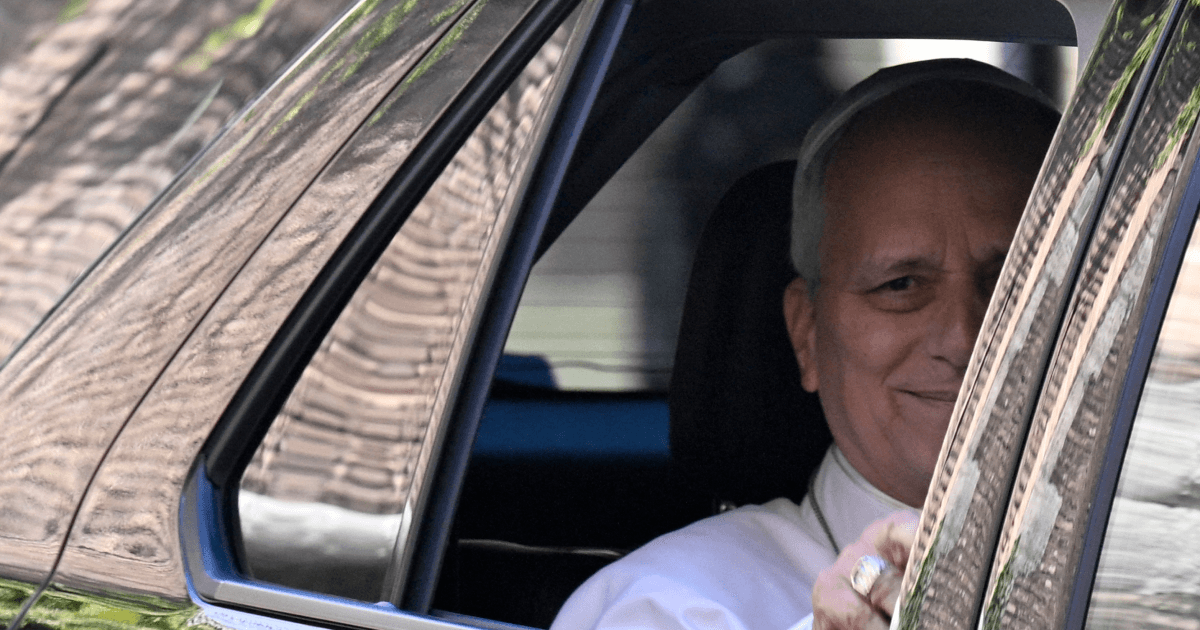
Speaking to Crux, Archbishop Larregaín, Archbishop of the diocese, said that in such circumstances a marriage is null ipso facto because it does not comply with the requirements of matter and form necessary for a valid sacrament. “That happens automatically, but a formal decree is issued,” he said. He added that welcoming everyone in the Church does not mean that sacraments may be administered when essential conditions are not met. He also referred to Pope Francis’s declaration Fiducia Supplicans and the need to avoid confusion between pastoral blessings and the rite of marriage.
The ceremony took place on 28 January at Our Lady of Pompeya parish in the city of Corrientes, Argentina. Solange Ayala, who is biologically male and presents as female, and Isaías Díaz Núñez, who is biologically female and presents as male, exchanged vows according to the Catholic rite in a celebration presided over by Fr Fernando Luis Gómez.

According to local media reports, the parish priest had consulted Archbishop José Adolfo Larregaín prior to the wedding. It was understood that, on the basis of the couple’s biological sex, there was no canonical impediment to the validity of the marriage. The essential requirement for a valid Catholic marriage under canon law is that it be contracted between one baptised man and one baptised woman, freely consenting and without impediment.

Ayala told Radio Sudamericana that the couple had followed the usual procedures required for marriage preparation, “just like everybody else”. She said they approached the priest, who received them warmly and explained the steps to follow. Gómez subsequently met Archbishop Larregaín and later informed the couple that there was nothing to object to regarding their ability to enter into marriage, since, speaking in biological terms, they were a man and a woman.

Videos circulated on social media showed parts of the ceremony, including the moment when Ayala’s father escorted the bride to the altar. 

In comments to local media, Ayala acknowledged that neither she nor her spouse were particularly devout Catholics, but described the ceremony as a significant personal milestone. She also stated that they were permitted to use their current names in the ecclesiastical documentation and were not required to revert to the names recorded on their baptismal certificates.

After widespread media coverage and public reaction, the Archdiocese of Corrientes issued a statement on 8 February confirming that it had opened a canonical investigation into the circumstances of the wedding. The archdiocese said it was seeking to review the facts and determine responsibilities connected with the authorisation and celebration of the marriage.

The statement emphasised that the Church, “as mother and teacher, takes special care in the celebration of the sacraments”, and that marriage, as a sacrament, requires the fulfilment of certain essential conditions for its validity and liceity, as established by canon law and the Church’s living tradition. It added that the omission of these conditions distorts the meaning of the sacrament.

The archdiocese further noted that it had not received the necessary ecclesiastical documentation in advance of the ceremony. It said that appropriate admonitions and any formal canonical disciplinary measures would be issued in accordance with the law if required.

In a separate statement, the parish of Our Lady of Pompeya reiterated that Christian marriage requires that the parties be free and capable of marrying, that no canonical impediment exist and that true consent be given. Out of respect for privacy, it declined to provide further details.

The apparent shift between the initial consultation, which reportedly found no canonical obstacle on the basis of biological sex, and the subsequent announcement that the marriage would be annulled by decree has been widely noted in Corrientes. No timeframe has been given for the conclusion of the canonical investigation.

subscribe to
the catholic herald

Continue reading your article with a subscription.
Read 5 articles with our free plan.
Subscribe

subscribe to the catholic herald today

Our best content is exclusively available to our subscribers. Subscribe today and gain instant access to expert analysis, in-depth articles, and thought-provoking insights—anytime, anywhere. Don’t miss out on the conversations that matter most.
Subscribe