March 16, 2026

Archbishop of Vienna suggests Church should remain open to changes in commandments and laws

Niwa Limbu
More
Related
Min read
share

The Archbishop of Vienna has suggested that the Catholic Church must be willing to consider changes not only to its pastoral practice but even to its commandments and laws.

Speaking during a Mass held as part of the Austrian bishops’ conference spring plenary assembly, Archbishop Josef Grünwidl argued that ecclesiastical rules must ultimately serve the salvation of souls rather than becoming rigid ends in themselves.

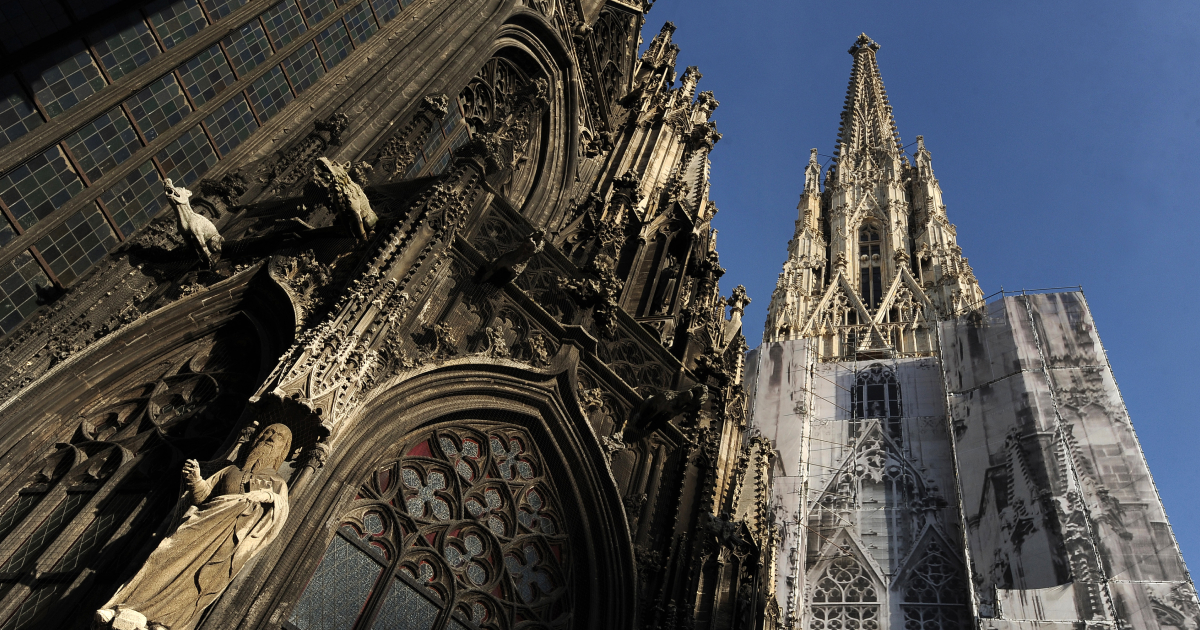
The homily, delivered on March 11 at the parish church of Pischelsdorf during the bishops’ four day meeting in eastern Styria, was the most prominent intervention from the archbishop since his appointment to Vienna last year.

Archbishop Grünwidl said that the Church’s need for commandments and regulations was “undisputed”, but warned that they should not exist merely to regulate behaviour. Instead, he said, they should assist believers to encounter God and deepen their lives according to the Gospel.

“They should help people encounter God and be led more deeply into a life according to the Gospel,” he said, presenting the Church’s legal tradition as something ordered towards pastoral care rather than an inflexible system.

The archbishop pointed to situations in which Catholics find themselves in tension with the current norms of canon law, particularly those relating to marriage and family life. Referring specifically to those who are divorced and civilly remarried, as well as to relationships that do not correspond to Catholic teaching on marriage, he suggested that pastoral engagement must go beyond the mere application of rules.

“For these people there are regulations and prohibitions in canon law,” he said, but insisted that the Church’s task was to “discuss the individual’s life and faith situation with them and find a pastoral solution that helps and heals”.

His remarks went further when he indicated that openness to pastoral solutions might eventually involve deeper institutional change. Grünwidl said he hoped the Church would remain “open to changes, including changes to Church commandments and laws”, if such developments helped to lead people more deeply into a life oriented towards God.

Archbishop Grünwidl also used his homily to refer to a recent synod final report examining women’s participation in the life and leadership of the Church. Recalling prominent women in the Scriptures and in the life of Jesus, he argued that the Gospel itself provided a precedent for listening more attentively to female voices.

“Women were in his entourage,” the archbishop said. “A publicly known sinner was allowed to touch him, and not an apostle, but Mary Magdalene, a woman, was the first witness to the Resurrection.”

From this biblical perspective, he continued, the Church should become more attentive to women’s contributions within its structures of decision making.

“I trust that our Church will become more Jesus like and more in accordance with the Gospel when we are synodal, walking together, listening more to the voices of women and including them in decision making processes,” he said.

Grünwidl acknowledged that such developments could entail significant institutional adjustments. “Of course,” he said, it would involve changes to “Church regulations and centuries old traditions”.

Yet he framed the possibility of reform through a theological lens rather than a purely structural one. Looking to the example of Christ, he said Jesus himself did not always conform to the religious expectations of his time when fidelity to God’s will required something more radical.

Considering this dynamic, the archbishop expressed confidence that spiritual renewal could not ultimately be constrained by juridical limits. “What comes from the Holy Spirit cannot be stopped by canon law,” he said.

He concluded his homily by invoking his patron saint, St Joseph, drawing on the Gospel account of Joseph’s response to Mary’s unexpected pregnancy. Joseph, he argued, was called righteous not because he adhered mechanically to legal prescriptions but because he acted with mercy.

“Had he only been lawful and merely fulfilled the law, then his pregnant fiancée would have died by stoning,” Grünwidl said. Joseph’s righteousness, he added, lay in his fidelity to love rather than to the letter of the law.

“If we as a Church listen to the demands of the Sermon on the Mount and look to the example of Jesus, renewal and change become possible,” he said. “If, during Lent, we try day after day not only to perform our duties according to the rules, but to live love, then Easter will be within us.”

Kunasek used his remarks to emphasise the continuing cooperation between civil authorities and ecclesial institutions in the region. Although Church and state have distinct roles, he said both share a responsibility to provide guidance in uncertain times.

“Church and politics are different,” he said, “but we have more in common than what divides us,” because both are called to offer “orientation and confidence”.

The broader conclusions of the bishops’ meeting are expected to be presented by Archbishop Lackner at a press conference in Vienna. Yet it is already clear that Grünwidl’s intervention has touched on questions that extend well beyond the Austrian context.

Debates about the relationship between pastoral care and canonical discipline have run through the Catholic Church for decades, particularly since the Second Vatican Council encouraged renewed emphasis on the Church’s pastoral mission. The challenge, as theologians and bishops alike have repeatedly recognised, lies in balancing the Church’s commitment to doctrinal continuity with the call to accompany believers whose lives do not easily fit established norms.

In that sense the Archbishop of Vienna’s remarks may be read not simply as a local reflection during a Lenten gathering of bishops, but as another expression of a wider conversation within the global Church about how law, mercy and mission are to be held together in the life of Catholicism today.

The Archbishop of Vienna has suggested that the Catholic Church must be willing to consider changes not only to its pastoral practice but even to its commandments and laws.

Speaking during a Mass held as part of the Austrian bishops’ conference spring plenary assembly, Archbishop Josef Grünwidl argued that ecclesiastical rules must ultimately serve the salvation of souls rather than becoming rigid ends in themselves.

The homily, delivered on March 11 at the parish church of Pischelsdorf during the bishops’ four day meeting in eastern Styria, was the most prominent intervention from the archbishop since his appointment to Vienna last year.

Archbishop Grünwidl said that the Church’s need for commandments and regulations was “undisputed”, but warned that they should not exist merely to regulate behaviour. Instead, he said, they should assist believers to encounter God and deepen their lives according to the Gospel.

“They should help people encounter God and be led more deeply into a life according to the Gospel,” he said, presenting the Church’s legal tradition as something ordered towards pastoral care rather than an inflexible system.

The archbishop pointed to situations in which Catholics find themselves in tension with the current norms of canon law, particularly those relating to marriage and family life. Referring specifically to those who are divorced and civilly remarried, as well as to relationships that do not correspond to Catholic teaching on marriage, he suggested that pastoral engagement must go beyond the mere application of rules.

“For these people there are regulations and prohibitions in canon law,” he said, but insisted that the Church’s task was to “discuss the individual’s life and faith situation with them and find a pastoral solution that helps and heals”.

His remarks went further when he indicated that openness to pastoral solutions might eventually involve deeper institutional change. Grünwidl said he hoped the Church would remain “open to changes, including changes to Church commandments and laws”, if such developments helped to lead people more deeply into a life oriented towards God.

Archbishop Grünwidl also used his homily to refer to a recent synod final report examining women’s participation in the life and leadership of the Church. Recalling prominent women in the Scriptures and in the life of Jesus, he argued that the Gospel itself provided a precedent for listening more attentively to female voices.

“Women were in his entourage,” the archbishop said. “A publicly known sinner was allowed to touch him, and not an apostle, but Mary Magdalene, a woman, was the first witness to the Resurrection.”

From this biblical perspective, he continued, the Church should become more attentive to women’s contributions within its structures of decision making.

“I trust that our Church will become more Jesus like and more in accordance with the Gospel when we are synodal, walking together, listening more to the voices of women and including them in decision making processes,” he said.

Grünwidl acknowledged that such developments could entail significant institutional adjustments. “Of course,” he said, it would involve changes to “Church regulations and centuries old traditions”.

Yet he framed the possibility of reform through a theological lens rather than a purely structural one. Looking to the example of Christ, he said Jesus himself did not always conform to the religious expectations of his time when fidelity to God’s will required something more radical.

Considering this dynamic, the archbishop expressed confidence that spiritual renewal could not ultimately be constrained by juridical limits. “What comes from the Holy Spirit cannot be stopped by canon law,” he said.

He concluded his homily by invoking his patron saint, St Joseph, drawing on the Gospel account of Joseph’s response to Mary’s unexpected pregnancy. Joseph, he argued, was called righteous not because he adhered mechanically to legal prescriptions but because he acted with mercy.

“Had he only been lawful and merely fulfilled the law, then his pregnant fiancée would have died by stoning,” Grünwidl said. Joseph’s righteousness, he added, lay in his fidelity to love rather than to the letter of the law.

“If we as a Church listen to the demands of the Sermon on the Mount and look to the example of Jesus, renewal and change become possible,” he said. “If, during Lent, we try day after day not only to perform our duties according to the rules, but to live love, then Easter will be within us.”

Kunasek used his remarks to emphasise the continuing cooperation between civil authorities and ecclesial institutions in the region. Although Church and state have distinct roles, he said both share a responsibility to provide guidance in uncertain times.

“Church and politics are different,” he said, “but we have more in common than what divides us,” because both are called to offer “orientation and confidence”.

The broader conclusions of the bishops’ meeting are expected to be presented by Archbishop Lackner at a press conference in Vienna. Yet it is already clear that Grünwidl’s intervention has touched on questions that extend well beyond the Austrian context.

Debates about the relationship between pastoral care and canonical discipline have run through the Catholic Church for decades, particularly since the Second Vatican Council encouraged renewed emphasis on the Church’s pastoral mission. The challenge, as theologians and bishops alike have repeatedly recognised, lies in balancing the Church’s commitment to doctrinal continuity with the call to accompany believers whose lives do not easily fit established norms.

In that sense the Archbishop of Vienna’s remarks may be read not simply as a local reflection during a Lenten gathering of bishops, but as another expression of a wider conversation within the global Church about how law, mercy and mission are to be held together in the life of Catholicism today.

subscribe to
the catholic herald

Continue reading your article with a subscription.
Read 5 articles with our free plan.
Subscribe

subscribe to the catholic herald today

Our best content is exclusively available to our subscribers. Subscribe today and gain instant access to expert analysis, in-depth articles, and thought-provoking insights—anytime, anywhere. Don’t miss out on the conversations that matter most.
Subscribe