




A panel at Benedictine College has explored the changing terrain of Jewish-Catholic relations among younger believers, with speakers urging greater theological seriousness, clearer answers to anti-Semitism and a more confident account of what friendship between Catholics and Jews should look like in an age of online radicalisation. The discussion took place on April 22 at an event titled “Shoulder to Shoulder: Strengthening Jewish-Catholic Friendship at a Moment of Crisis”, co-sponsored by the college and the Coalition of Catholics Against Anti-Semitism.
7:09 AM
Benedictine College panel urges deeper Jewish-Catholic understanding
A panel at Benedictine College explored how younger believers are navigating Jewish-Catholic relations in an age of online polemics and political tension
The Catholic Herald


4 min read



Already a subscriber? Sign in
5freearticles every month
Continue reading with a free account. No card needed.
- Five free articles every thirty days, on any device you sign in on
- The Catholic Herald newsletter, every morning
- Subscribe whenever you like for everything: every article and the magazine
Related articles
 Newsroom
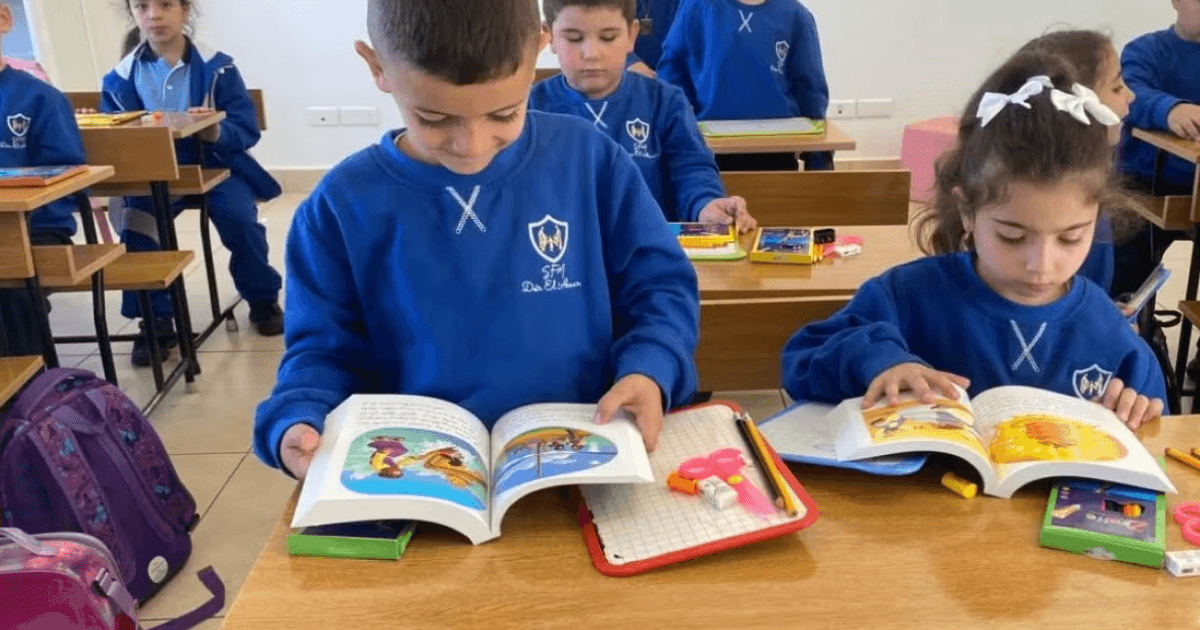
Lebanon’s Christian schools face mounting pressure as families struggle with costs
Families in Lebanon are struggling to pay school fees as conflict, displacement and economic hardship force them to prioritise basic necessities
Nathalie Raffray Newsroom
New abortion law removes criminal liability at any stage of pregnancy
The Catholic Herald Newsroom
Young Venezuelan Catholics honour friends and family lost in earthquake
Nathalie Raffray Newsroom
Euthanasia deaths in Victoria rise 400 per cent in five years
The Catholic Herald Newsroom
Illinois reaches agreement with Muslim doctors over assisted suicide law
Christine Rousselle
subscribe to the catholic herald today
Our best content is exclusively available to our subscribers. Subscribe today and gain instant access to expert analysis, in-depth articles, and thought-provoking insights—anytime, anywhere. Don’t miss out on the conversations that matter most.
Subscribe



