

March 30, 2026

Bishop of Charlotte addresses Latin Mass controversy

The Catholic Herald
More
Related
Min read
share

The Bishop of Charlotte has addressed the controversies surrounding the Traditional Latin Mass in his diocese and given his view on whether restrictions may be relaxed.

Speaking on the “Jesuitical” podcast of America Magazine, Bishop Michael Martin also insisted his actions to curb the TLM were a straightforward implementation of existing Vatican policy and not a matter of personal preference.

During the podcast, when addressing Catholics attached to the TLM, Bishop Martin began with a qualified acknowledgement: “I don’t want to say that they’re some sort of lunatic fringe. They’re not. These are people who feel strongly about the liturgy, and there’s goodness and holiness in that.”
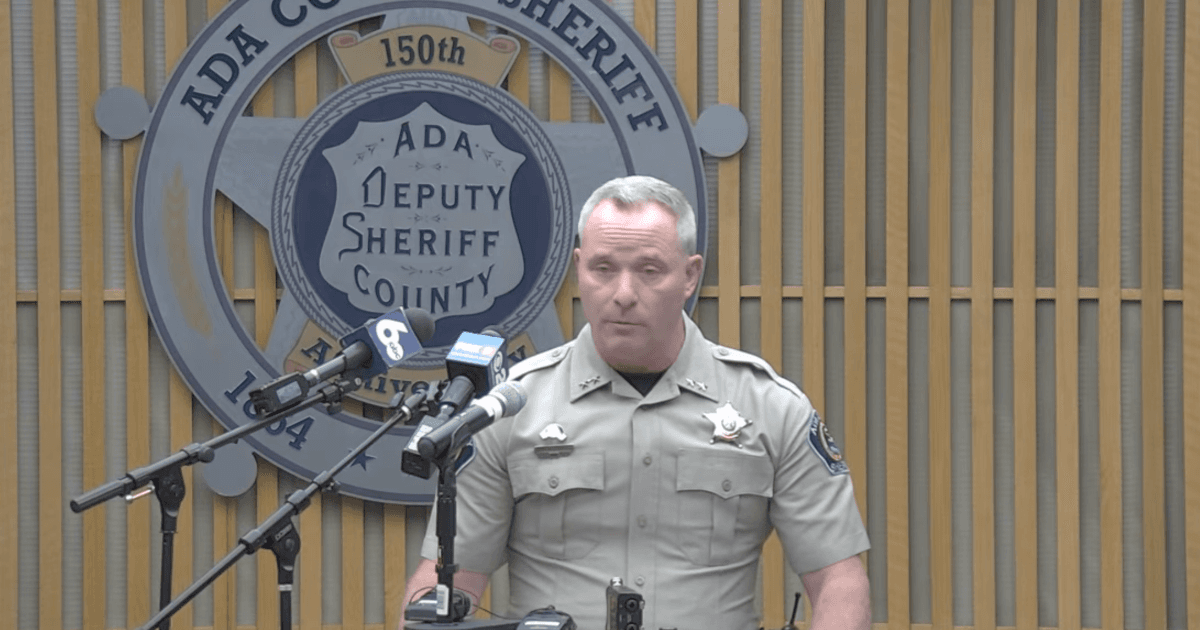
He nevertheless made clear that attachment to the Traditional Latin Mass could not determine diocesan policy, framing his decisions as rooted in obedience to Rome. “All I did was implement Traditionis Custodes in the Diocese of Charlotte,” he said, referring to the 2021 motu proprio of Pope Francis which placed strict limits on the pre-conciliar liturgy.

Further, and appearing to go against Pope Leo XIV’s French letter, Bishop Martin rejected calls to preserve existing celebrations without a defined transition. “If we need more time, then show me what you’re going to do in the next two years so that things will change,” he said, indicating that any continuation would require a clear pastoral trajectory. He contrasted this with what he described as the prevailing response from some of the faithful: “It was simply, ‘We want to celebrate the liturgy this way’.” Such reasoning, he suggested, was insufficient in the context of the Church’s broader liturgical norms.

Bishop Martin also addressed the view, held by some Catholics, that the pontificate after Pope Francis might relax restrictions. “There were those who were saying, ‘Why don’t you just wait?’” he said, before adding his own judgement: “I thought the chances of Pope Leo XIV changing what Pope Francis had done were relatively slim.”

His comments come after sustained controversy in the Diocese of Charlotte following his appointment in 2024. On April 9 of that year, Pope Francis accepted the resignation of Bishop Emeritus Peter Jugis on health grounds and named Bishop Martin as his successor. His episcopal consecration took place on May 29, 2024, at St Mark Catholic Church in Huntersville, joined by Bishop Jugis and Cardinal Christophe Pierre.

The most significant flashpoint came in May 2025, when Bishop Martin reduced the number of locations offering the Traditional Latin Mass from four parish churches to a single chapel. The decision was explicitly tied to the implementation of Traditionis Custodes. Around the same time, leaked diocesan documents suggested further possible restrictions, including limits on the use of Latin in the liturgy and on traditional vestments, as well as proposals affecting the posture of the faithful during Communion.

These tensions intensified later in the year. In September 2025, the bishop prohibited the use of an altar rail at Charlotte Catholic High School. Three months later, in a pastoral letter issued in December, he set out new norms for the reception of Holy Communion across the diocese. From January 16, 2026, altar rails were to be prohibited altogether.

In that letter, Bishop Martin wrote: “The episcopal conference norms logically do not envision the use of altar rails, kneelers, or prie-dieus for the reception of Communion. Doing so is a visible contradiction to the normative posture of Holy Communion established by our episcopal conferences.

“Instead, the instruction emphasises that receiving Holy Communion is to be done as the members of the faithful go in procession, witnessing that the Church journeys forward and receives Holy Communion as a pilgrim people on their way.” He further instructed clergy and lay ministers “not to teach that some other manner is better, preferred, more efficacious, etc”, while also addressing the use of extraordinary ministers and Communion under both kinds.

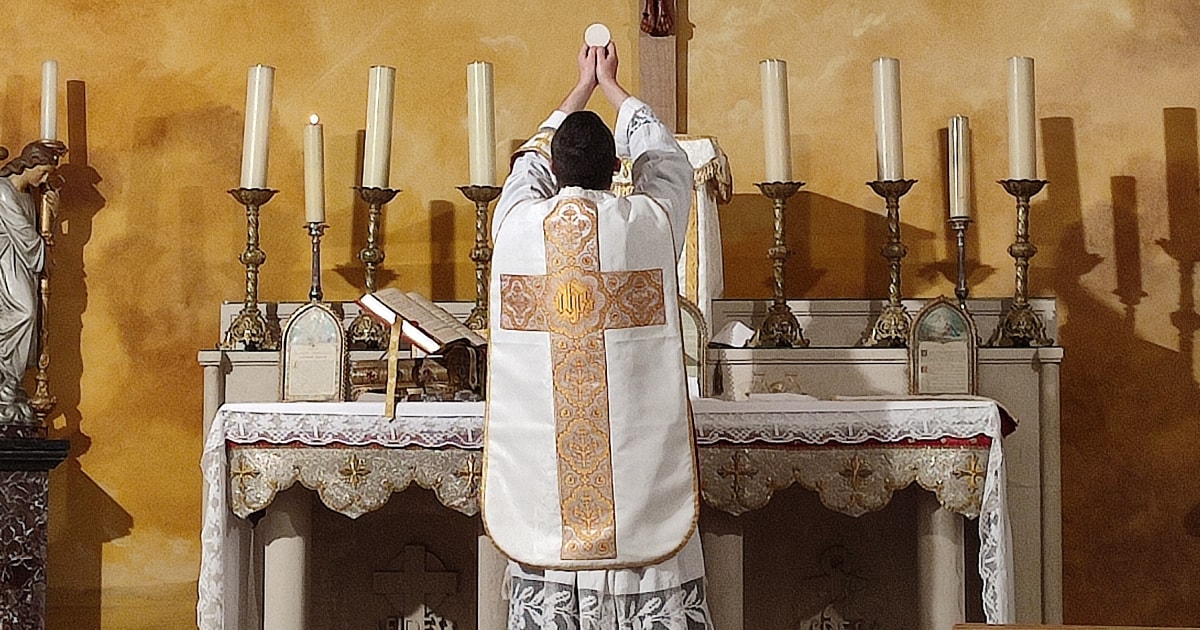
(Image: Mathieu Kappler, CC BY-SA 4.0 <https://creativecommons.org/licenses/by-sa/4.0>, via Wikimedia Commons)

The Bishop of Charlotte has addressed the controversies surrounding the Traditional Latin Mass in his diocese and given his view on whether restrictions may be relaxed.

Speaking on the “Jesuitical” podcast of America Magazine, Bishop Michael Martin also insisted his actions to curb the TLM were a straightforward implementation of existing Vatican policy and not a matter of personal preference.

During the podcast, when addressing Catholics attached to the TLM, Bishop Martin began with a qualified acknowledgement: “I don’t want to say that they’re some sort of lunatic fringe. They’re not. These are people who feel strongly about the liturgy, and there’s goodness and holiness in that.”
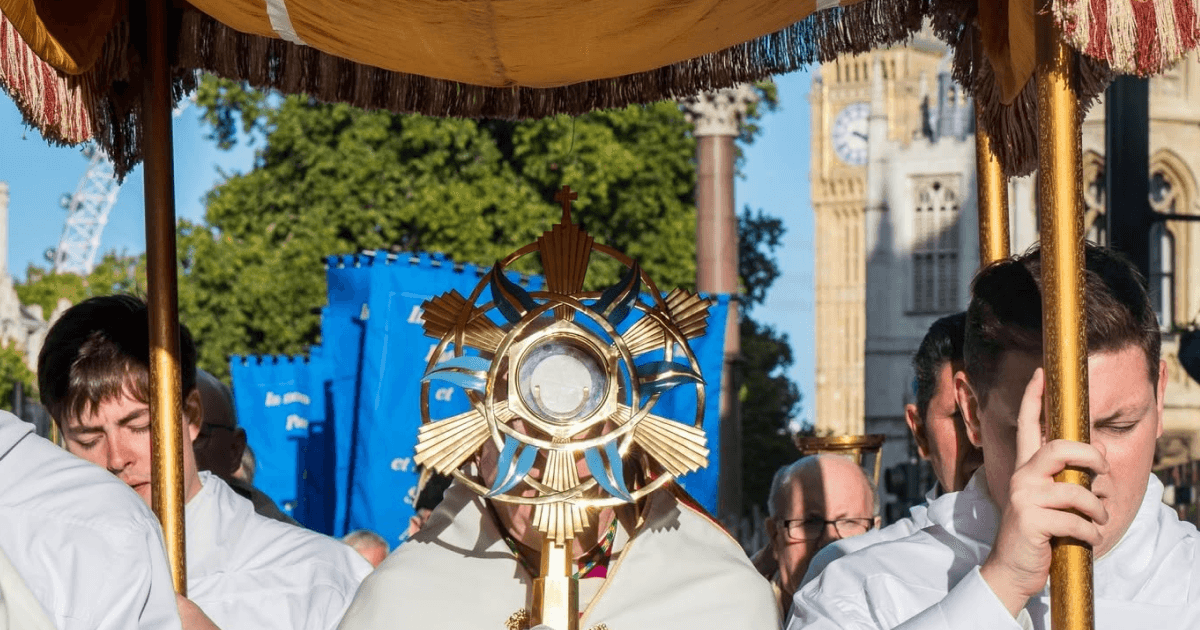
He nevertheless made clear that attachment to the Traditional Latin Mass could not determine diocesan policy, framing his decisions as rooted in obedience to Rome. “All I did was implement Traditionis Custodes in the Diocese of Charlotte,” he said, referring to the 2021 motu proprio of Pope Francis which placed strict limits on the pre-conciliar liturgy.

Further, and appearing to go against Pope Leo XIV’s French letter, Bishop Martin rejected calls to preserve existing celebrations without a defined transition. “If we need more time, then show me what you’re going to do in the next two years so that things will change,” he said, indicating that any continuation would require a clear pastoral trajectory. He contrasted this with what he described as the prevailing response from some of the faithful: “It was simply, ‘We want to celebrate the liturgy this way’.” Such reasoning, he suggested, was insufficient in the context of the Church’s broader liturgical norms.

Bishop Martin also addressed the view, held by some Catholics, that the pontificate after Pope Francis might relax restrictions. “There were those who were saying, ‘Why don’t you just wait?’” he said, before adding his own judgement: “I thought the chances of Pope Leo XIV changing what Pope Francis had done were relatively slim.”

His comments come after sustained controversy in the Diocese of Charlotte following his appointment in 2024. On April 9 of that year, Pope Francis accepted the resignation of Bishop Emeritus Peter Jugis on health grounds and named Bishop Martin as his successor. His episcopal consecration took place on May 29, 2024, at St Mark Catholic Church in Huntersville, joined by Bishop Jugis and Cardinal Christophe Pierre.

The most significant flashpoint came in May 2025, when Bishop Martin reduced the number of locations offering the Traditional Latin Mass from four parish churches to a single chapel. The decision was explicitly tied to the implementation of Traditionis Custodes. Around the same time, leaked diocesan documents suggested further possible restrictions, including limits on the use of Latin in the liturgy and on traditional vestments, as well as proposals affecting the posture of the faithful during Communion.

These tensions intensified later in the year. In September 2025, the bishop prohibited the use of an altar rail at Charlotte Catholic High School. Three months later, in a pastoral letter issued in December, he set out new norms for the reception of Holy Communion across the diocese. From January 16, 2026, altar rails were to be prohibited altogether.

In that letter, Bishop Martin wrote: “The episcopal conference norms logically do not envision the use of altar rails, kneelers, or prie-dieus for the reception of Communion. Doing so is a visible contradiction to the normative posture of Holy Communion established by our episcopal conferences.

“Instead, the instruction emphasises that receiving Holy Communion is to be done as the members of the faithful go in procession, witnessing that the Church journeys forward and receives Holy Communion as a pilgrim people on their way.” He further instructed clergy and lay ministers “not to teach that some other manner is better, preferred, more efficacious, etc”, while also addressing the use of extraordinary ministers and Communion under both kinds.

(Image: Mathieu Kappler, CC BY-SA 4.0 <https://creativecommons.org/licenses/by-sa/4.0>, via Wikimedia Commons)

subscribe to
the catholic herald

Continue reading your article with a subscription.
Read 5 articles with our free plan.
Subscribe

subscribe to the catholic herald today

Our best content is exclusively available to our subscribers. Subscribe today and gain instant access to expert analysis, in-depth articles, and thought-provoking insights—anytime, anywhere. Don’t miss out on the conversations that matter most.
Subscribe