

February 19, 2026

Bishop Schneider responds to Cardinal Fernández

Niwa Limbu
More
Related
No items found.
Min read
share

The Auxiliary Bishop of Astana, Kazakhstan, Bishop Athanasius Schneider, has challenged Cardinal Víctor Manuel Fernández’s claim that the texts of the Second Vatican Council cannot be modified.

In an interview on 17 February with the journalist Robert Moynihan, he addressed the current impasse and sharply criticised the assertion that the texts of the Council “cannot be modified”. A portion of the interview addressed the Society of Saint Pius X and the prospects for its reconciliation with the Holy See, including forthcoming episcopal consecrations within the group.
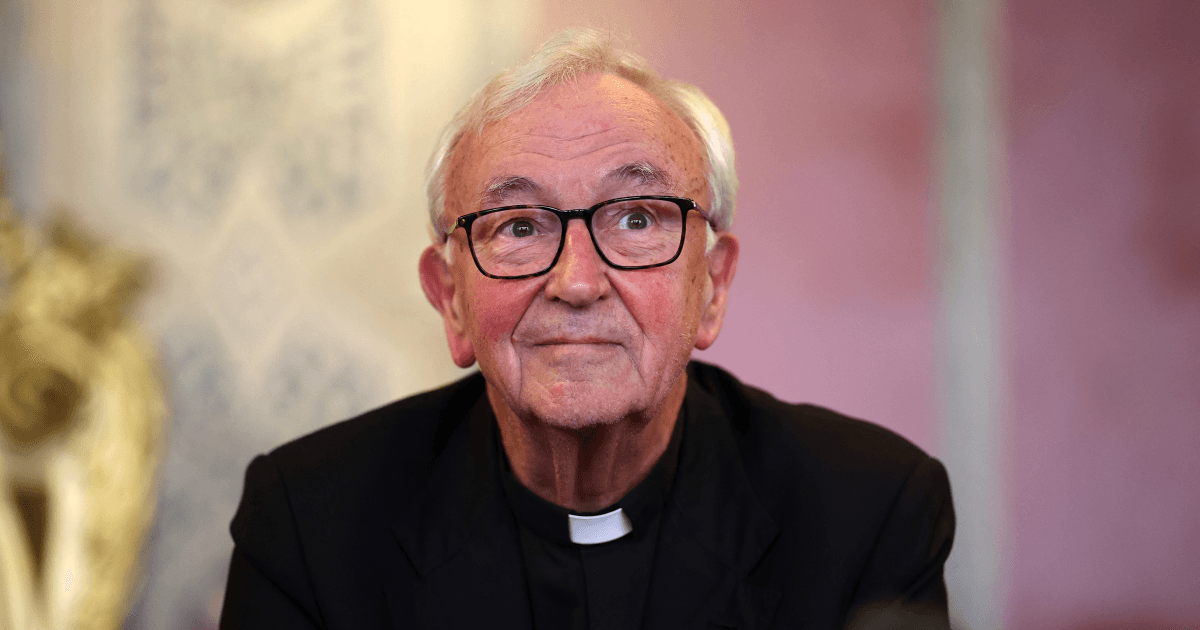

Referring to comments by the Prefect of the Dicastery for the Doctrine of the Faith, Víctor Manuel Fernández, Bishop Schneider said: “Well, first, the statement of Cardinal Fernández is completely wrong because what cannot be changed are only the Word of God. You cannot change the Bible because it is the Word of God.”

He continued: “Second, you cannot change the proclaimed dogmas, which were proclaimed ex cathedra. Even though the dogmas can, if another Pope or Council can, for example, even improve a dogma with more clarity, this is even possible. But improve, this is because it is not the Word of God. Even the dogmatic formulation is only infallible, but it’s not the best. It’s infallible. It could be still, how do you say, improved.”

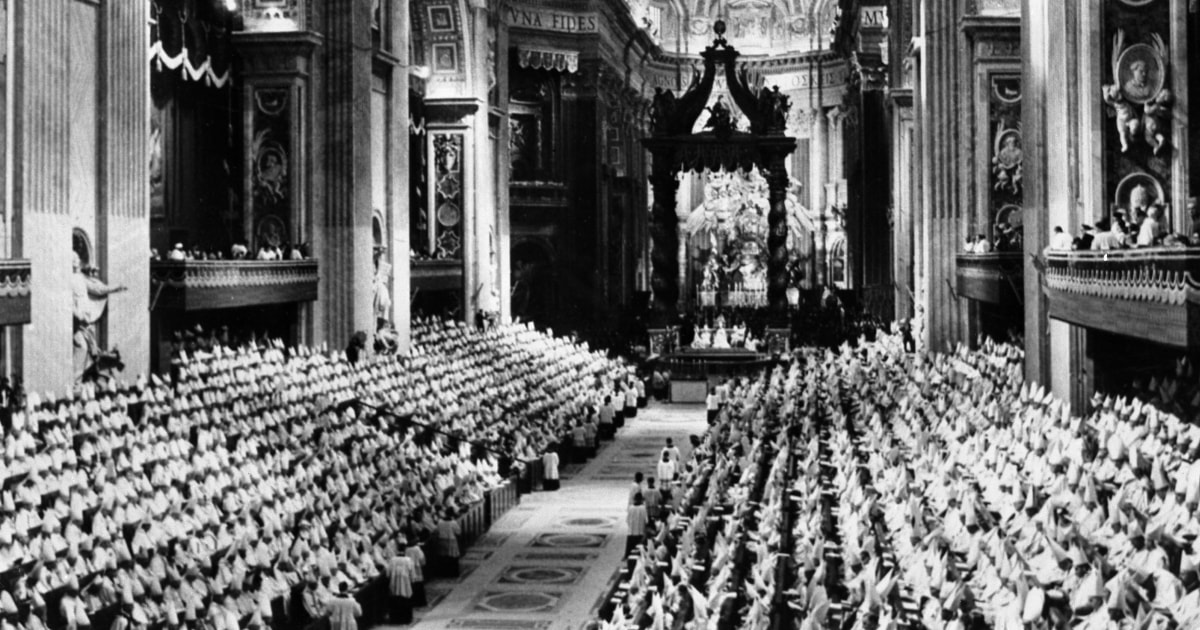
Turning to the nature of the Second Vatican Council, he pointed to its pastoral character as described by Pope John XXIII. “The Second Vatican Council, by the Pope who convoked it, John XXIII, stated clearly, ‘This council is convoked not to give new dogmas, not to give some solutions to doctrines in a definite way.’”

He added: “This council is only convoked to make explanations, kind of catechetical, for explaining to the people of our time in the style of our time.” He described this as “a catechetical style, pastoral style, of doctrines which remain the same”, arguing that “the modality, the form of explanation, which is not a dogma, which is not a definite teaching, but a kind of catechetical, pastoral, time-bound explanation, it is, per se, of course, possible to change it, to improve it, or to correct it because it was not intended to be stated in a definite form.”

He said that Pope Paul VI had reaffirmed this point after the Council’s conclusion. “The council did not have intention to proclaim a doctrine of itself in a definitive way but its character was primarily pastoral.”

Bishop Schneider therefore concluded that “the formulation of Cardinal Fernández is completely wrong.” He clarified that dogmas quoted by the Council from previous councils are “unchangeable”, but “the other formulations who are pastoral character, they are, per se, possible to be changed, to be improved, even to be corrected.”

As an historical example, he cited the Fourth Lateran Council of 1215. He referred to provisions requiring Jews living in Christian towns to wear distinctive signs and penalties attached to certain domestic arrangements, calling such measures “a horrible discrimination”. He asked whether such statements “of an Ecumenical Council can be corrected”, adding, “I assume he would say, ‘Of course.’”

Bishop Schneider went further, saying: “We must honestly examine those evident, undeniable ambiguities of some expressions of the council,” mentioning in particular “the so-called religious freedom, then the Ecumenism and the collegiality.”

Addressing the current SSPX negotiations, he said: “We cannot resolve the question now. It is not enough time.” Instead, he proposed that Rome should first provide a framework of integration. “Bring them in. Give them a minimum Church integration. And the Church is so wide, always. She can find solutions.”

The recent intervention by the Auxiliary Bishop of Astana, following talks between the Society and the Prefect of the Dicastery for the Doctrine of the Faith, is one of the first public episcopal reactions to the present phase of negotiations.

The bishop’s analysis is not without foundation. The Second Vatican Council explicitly refrained from defining new dogmas and exercised no extraordinary magisterium; it was clearly pastoral. The Council nonetheless forms part of the Church’s authentic magisterium. For many lay faithful, this raises questions about how to read and assess the authority of its documents, since they do not all carry the same weight.

Cardinal Walter Brandmüller, speaking at the presentation of a volume on interpreting Vatican II, observed that the Council’s documents possess differing degrees of authority. The retired president of the Pontifical Committee for Historical Sciences said: “There is a huge difference between a great constitution and simple declarations.” Of the two texts most frequently criticised by the SSPX – Dignitatis humanae on religious liberty and Nostra aetate on relations with non-Christian religions – he remarked that they “do not have a binding doctrinal content, so one can dialogue about them”.

That assessment does not reduce those documents to insignificance; rather, it clarifies the type of assent required. The failure to articulate these distinctions has fostered an atmosphere in which legitimate theological discussion is mistaken for rebellion.

In illustrating his point, Bishop Schneider referred to disciplinary measures from the Fourth Lateran Council concerning distinctive dress for Jews. While the historical example demonstrates the changeable nature of conciliar provisions, the present controversy concerns doctrinal interpretation rather than medieval discipline.

The lesson is therefore clear. Unity will not be secured by slogans about immutability, nor by dismissive critiques of the Council. It will come only through an honest reckoning with what the Council actually is: authoritative, pastoral and situated within a hierarchy of truths. Until that is grasped, the dispute with the Society will remain a symptom of a deeper uncertainty about how the Church teaches and how her children are called to listen.

It is in this light that the bishop’s intervention must be understood. His appeal for canonical integration prior to the full resolution of doctrinal questions rests on the conviction that dialogue presupposes communion. Whether that strategy is prudent is open to debate. Yet his underlying claim – that pastoral expressions may be examined and, if necessary, clarified – is not alien to the Church’s history. Councils have always required interpretation; their authority has never been mechanical.

The Auxiliary Bishop of Astana, Kazakhstan, Bishop Athanasius Schneider, has challenged Cardinal Víctor Manuel Fernández’s claim that the texts of the Second Vatican Council cannot be modified.

In an interview on 17 February with the journalist Robert Moynihan, he addressed the current impasse and sharply criticised the assertion that the texts of the Council “cannot be modified”. A portion of the interview addressed the Society of Saint Pius X and the prospects for its reconciliation with the Holy See, including forthcoming episcopal consecrations within the group.
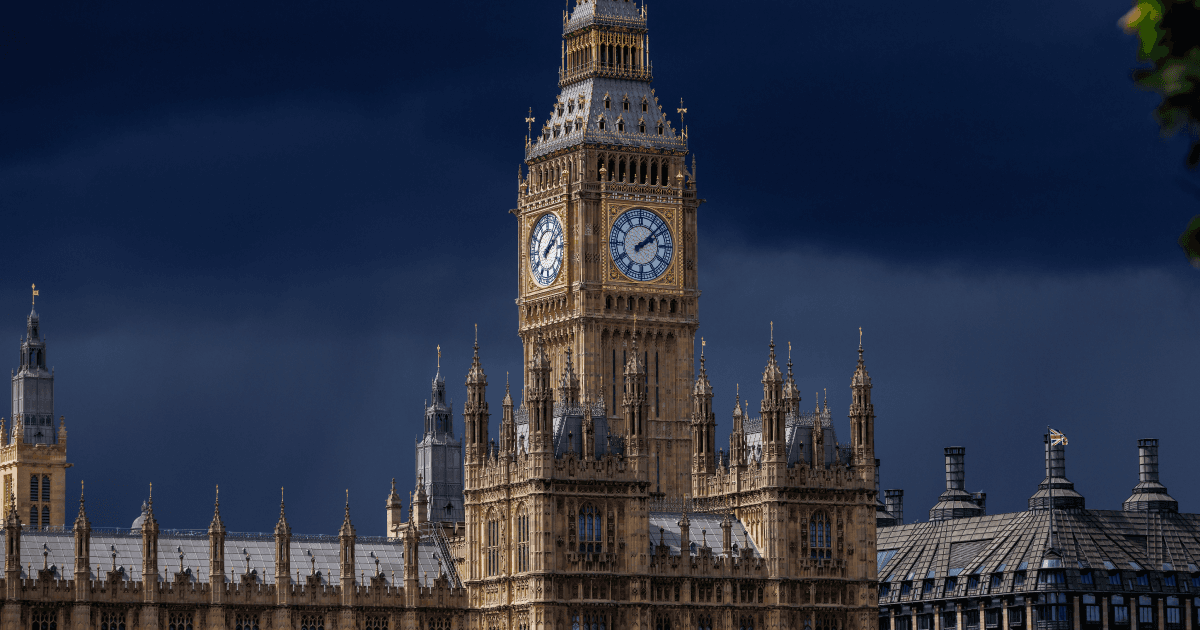
Referring to comments by the Prefect of the Dicastery for the Doctrine of the Faith, Víctor Manuel Fernández, Bishop Schneider said: “Well, first, the statement of Cardinal Fernández is completely wrong because what cannot be changed are only the Word of God. You cannot change the Bible because it is the Word of God.”

He continued: “Second, you cannot change the proclaimed dogmas, which were proclaimed ex cathedra. Even though the dogmas can, if another Pope or Council can, for example, even improve a dogma with more clarity, this is even possible. But improve, this is because it is not the Word of God. Even the dogmatic formulation is only infallible, but it’s not the best. It’s infallible. It could be still, how do you say, improved.”

Turning to the nature of the Second Vatican Council, he pointed to its pastoral character as described by Pope John XXIII. “The Second Vatican Council, by the Pope who convoked it, John XXIII, stated clearly, ‘This council is convoked not to give new dogmas, not to give some solutions to doctrines in a definite way.’”

He added: “This council is only convoked to make explanations, kind of catechetical, for explaining to the people of our time in the style of our time.” He described this as “a catechetical style, pastoral style, of doctrines which remain the same”, arguing that “the modality, the form of explanation, which is not a dogma, which is not a definite teaching, but a kind of catechetical, pastoral, time-bound explanation, it is, per se, of course, possible to change it, to improve it, or to correct it because it was not intended to be stated in a definite form.”

He said that Pope Paul VI had reaffirmed this point after the Council’s conclusion. “The council did not have intention to proclaim a doctrine of itself in a definitive way but its character was primarily pastoral.”

Bishop Schneider therefore concluded that “the formulation of Cardinal Fernández is completely wrong.” He clarified that dogmas quoted by the Council from previous councils are “unchangeable”, but “the other formulations who are pastoral character, they are, per se, possible to be changed, to be improved, even to be corrected.”

As an historical example, he cited the Fourth Lateran Council of 1215. He referred to provisions requiring Jews living in Christian towns to wear distinctive signs and penalties attached to certain domestic arrangements, calling such measures “a horrible discrimination”. He asked whether such statements “of an Ecumenical Council can be corrected”, adding, “I assume he would say, ‘Of course.’”

Bishop Schneider went further, saying: “We must honestly examine those evident, undeniable ambiguities of some expressions of the council,” mentioning in particular “the so-called religious freedom, then the Ecumenism and the collegiality.”

Addressing the current SSPX negotiations, he said: “We cannot resolve the question now. It is not enough time.” Instead, he proposed that Rome should first provide a framework of integration. “Bring them in. Give them a minimum Church integration. And the Church is so wide, always. She can find solutions.”

The recent intervention by the Auxiliary Bishop of Astana, following talks between the Society and the Prefect of the Dicastery for the Doctrine of the Faith, is one of the first public episcopal reactions to the present phase of negotiations.

The bishop’s analysis is not without foundation. The Second Vatican Council explicitly refrained from defining new dogmas and exercised no extraordinary magisterium; it was clearly pastoral. The Council nonetheless forms part of the Church’s authentic magisterium. For many lay faithful, this raises questions about how to read and assess the authority of its documents, since they do not all carry the same weight.

Cardinal Walter Brandmüller, speaking at the presentation of a volume on interpreting Vatican II, observed that the Council’s documents possess differing degrees of authority. The retired president of the Pontifical Committee for Historical Sciences said: “There is a huge difference between a great constitution and simple declarations.” Of the two texts most frequently criticised by the SSPX – Dignitatis humanae on religious liberty and Nostra aetate on relations with non-Christian religions – he remarked that they “do not have a binding doctrinal content, so one can dialogue about them”.

That assessment does not reduce those documents to insignificance; rather, it clarifies the type of assent required. The failure to articulate these distinctions has fostered an atmosphere in which legitimate theological discussion is mistaken for rebellion.

In illustrating his point, Bishop Schneider referred to disciplinary measures from the Fourth Lateran Council concerning distinctive dress for Jews. While the historical example demonstrates the changeable nature of conciliar provisions, the present controversy concerns doctrinal interpretation rather than medieval discipline.

The lesson is therefore clear. Unity will not be secured by slogans about immutability, nor by dismissive critiques of the Council. It will come only through an honest reckoning with what the Council actually is: authoritative, pastoral and situated within a hierarchy of truths. Until that is grasped, the dispute with the Society will remain a symptom of a deeper uncertainty about how the Church teaches and how her children are called to listen.

It is in this light that the bishop’s intervention must be understood. His appeal for canonical integration prior to the full resolution of doctrinal questions rests on the conviction that dialogue presupposes communion. Whether that strategy is prudent is open to debate. Yet his underlying claim – that pastoral expressions may be examined and, if necessary, clarified – is not alien to the Church’s history. Councils have always required interpretation; their authority has never been mechanical.

subscribe to
the catholic herald

Continue reading your article with a subscription.
Read 5 articles with our free plan.
Subscribe

subscribe to the catholic herald today

Our best content is exclusively available to our subscribers. Subscribe today and gain instant access to expert analysis, in-depth articles, and thought-provoking insights—anytime, anywhere. Don’t miss out on the conversations that matter most.
Subscribe