
March 10, 2026

Bishops’ conferences around the world unite in message on Iran

The Catholic Herald
More
Related
Min read
share

The reaction of Catholic bishops’ conferences around the world to the escalation of conflict in Iran following the death of the country’s ayatollah has revealed a sharp contrast between the language of the Church and the political calculations of governments.

While episcopal conferences have largely spoken with one voice in urging restraint, prayer and dialogue, the responses of national governments have varied widely, ranging from open endorsement of the military strikes to outright condemnation.

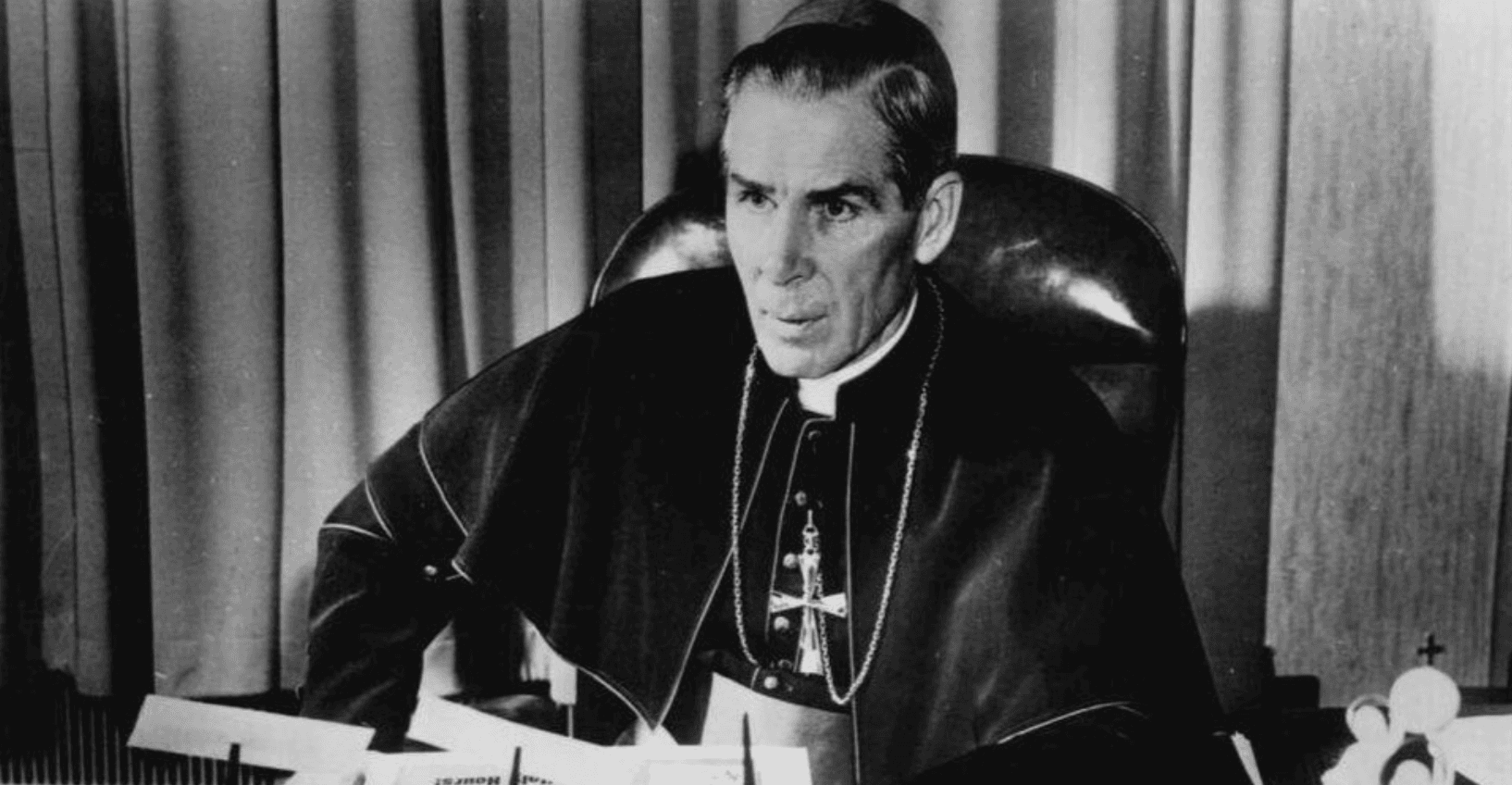
The Argentine Episcopal Conference was among the first to react. In a statement issued on February 28, the bishops described the scenes emerging from the region as “shocking” and warned that destruction would be unleashed by the confrontation. “These realities pain us deeply and remind us that violence is never a way to resolve conflicts and only brings destruction,” they said, urging Catholics to pray fervently for the “cessation of all conflict” and to become “artisans of peace”.

The position taken by Argentina’s government was markedly different. The administration of Libertarian President Javier Milei emerged as one of the most outspoken international supporters of the joint United States–Israel operation that killed Iran’s leader and struck key military and nuclear installations. Government statements celebrated the “elimination” of Ayatollah Ali Khamenei as the removal of one of history’s “most evil” figures and argued that the strikes would promote long-term stability in the region.

The Argentinian government released a statement saying: “The Office of the President celebrates the joint operation carried out by the United States and Israel today that resulted in the elimination of Ali Khamenei, Supreme Leader of the Islamic Republic of Iran, and one of the most evil, violent and cruel individuals in the history of mankind.”

However, in Latin America, where most governments expressed criticism, Argentina stood almost alone in openly backing the operation.

A similar contrast emerged in Australia. The Australian Catholic Bishops’ Conference expressed sorrow at the human consequences of the conflict in a statement issued in early March. “The loss of life and the fear and uncertainty experienced by ordinary people and the destabilisation of an already fragile region weigh heavily on our hearts,” the bishops said.

Australia’s government, however, adopted a position closely aligned with Washington. Prime Minister Anthony Albanese said his country supported efforts by the United States to prevent Iran from acquiring a nuclear weapon and remarked that he would “not mourn” the death of the Iranian leader. Australia issued travel warnings to Australians in the region and urged citizens to leave affected areas, while Foreign Minister Penny Wong declined to enter legal debates about the strikes, deferring such questions to the United States and Israel.

In India, the tone of the bishops’ statement reflected concern about the humanitarian consequences of escalation. The Catholic Bishops’ Conference of India declared on March 3 that it was “deeply concerned over the escalating tensions and ongoing conflict”, mourning “the tragic loss of innocent lives, especially vulnerable children”. The bishops appealed to political leaders to “engage in constructive dialogue” and to “consciously choose peace over violence”. They warned that “violence and conflict only breed further suffering and despair” and called for special Lenten prayers among the faithful.

Similarly, New Delhi’s political response sought a careful balance. Prime Minister Narendra Modi described the situation as a “grave concern”, insisting that “military conflict cannot fix any issue”. India called for restraint, diplomacy and the protection of civilians while avoiding direct condemnation of the strikes themselves. The government’s primary focus has been on safeguarding Indian nationals in the region and maintaining diplomatic balance between its various partners, an approach that has drawn domestic criticism from those who believe the government has tilted too favourably towards Israel. For India, the situation carries particular significance as the Indian diaspora in the Middle East is notably large, with more than 35 per cent of the population of the UAE being Indian nationals, and more than 30 per cent of Oman.  

Across North Africa, the episcopal conference of the region issued one of the most forceful theological denunciations of the conflict. Speaking on behalf of the conference on March 9, its vice-president Mgr Nicolas Lhernould said the events were being followed “with profound sadness”. “War is never the path to peace: it is always its failure,” he said. “Violence does not respond to suffering; it amplifies it.” Christian communities in Morocco, he noted, had already declared that they “reject with all the strength of the Gospel the recourse to violence and war as a method of resolving conflicts between peoples and nations”.

The governments of North African states, however, have largely avoided stating public positions, focusing instead on diplomatic caution and regional stability.

In Asia more broadly, the Federation of Asian Bishops’ Conferences echoed the same moral language heard elsewhere in the Church. The federation called for the “immediate cessation of hostilities” and urged all sides to exercise “moral responsibility” in order to resist what it described as a spiral of escalation. “Peace cannot be built on threats or weapons that sow destruction, pain and death,” the bishops said, insisting that stability could only be achieved through “sincere, responsible and sustained dialogue”.

Ireland’s bishops delivered one of the strongest criticisms among European episcopal conferences. In their statement of March 4, they warned that the Middle East was once again experiencing “an unjust war with the loss of innocent lives”. “War is utterly destructive… War is not the answer,” they said. “No political leader has the authority to unleash war at will.” The bishops joined the Pope in urging the international community to halt what they called the “spiral of violence before it becomes an unbridgeable chasm”, and they invited Catholics to observe Lenten prayer and fasting for peace.

The Irish government struck a tone broadly similar to the bishops, though framed in diplomatic terms. Taoiseach Micheál Martin expressed “deep concern” and called on all sides to exercise restraint in order to prevent a wider regional conflict. Opposition figures, including leaders from Sinn Féin, Labour and the Social Democrats, went further by describing the military action as “unprovoked aggression” and a breach of international law.

The Southern African Catholic Bishops’ Conference likewise expressed sympathy for those affected by the crisis. The bishops offered “heartfelt sympathies to the bereaved families, to the Shia community and to the people of Iran” following the death of the country’s leader, a sentiment which seemed to go significantly further than many others. They also called for the “moral responsibility to halt escalating violence” and echoed the Pope’s appeal for “reasonable, sincere and responsible dialogue” as the only path capable of safeguarding human life.

South Africa’s government took a hard line on the military intervention. President Cyril Ramaphosa described the violence as “madness” and called for an immediate end to hostilities. Pretoria urged strict adherence to international law and offered to assist diplomatic mediation.

Perhaps the most striking divergence between Church and state came in the United States itself. The United States Conference of Catholic Bishops warned on March 1 that the conflict risked spiralling into a regional war. Archbishop Paul S Coakley, speaking as president of the conference, said that “the growing conflict risks spiralling into a wider regional war” and cautioned that humanity faced the possibility of “a tragedy of immense proportions”. The bishops urged political leaders to halt the escalation and to return to “multilateral diplomatic engagement” aimed at securing justice and peace. They asked Catholics to pray for civilians and soldiers alike and for leaders to choose “dialogue over destruction”.

Yet the United States was the principal architect of the military campaign itself. President Donald Trump authorised the operation, known as “Operation Epic Fury”, which launched large-scale strikes against Iranian nuclear facilities, missile infrastructure and senior leadership targets beginning on February 28. The administration justified the attacks as necessary to prevent Iran from developing nuclear weapons and to eliminate threats to regional security. Trump also called on Iranians to overthrow their government and has said that the campaign is “very complete, pretty much". However, US Defense Secretary Pete Hegseth described March 10 as being the “most intense” day of the war on Iran.

The reaction of Catholic bishops’ conferences around the world to the escalation of conflict in Iran following the death of the country’s ayatollah has revealed a sharp contrast between the language of the Church and the political calculations of governments.

While episcopal conferences have largely spoken with one voice in urging restraint, prayer and dialogue, the responses of national governments have varied widely, ranging from open endorsement of the military strikes to outright condemnation.
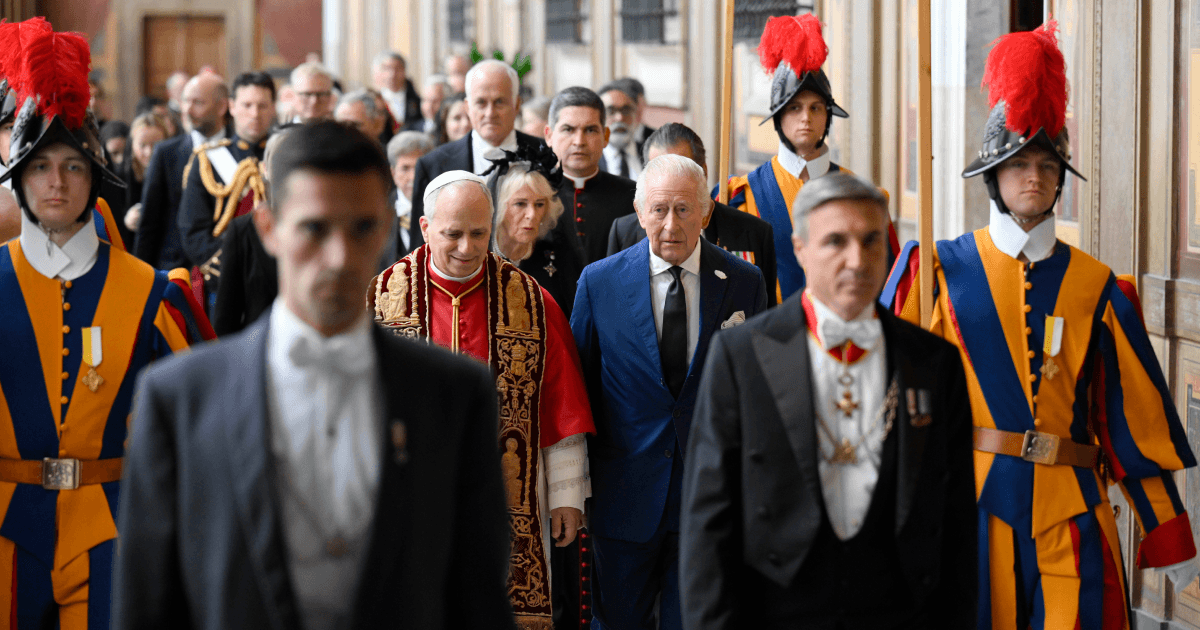
The Argentine Episcopal Conference was among the first to react. In a statement issued on February 28, the bishops described the scenes emerging from the region as “shocking” and warned that destruction would be unleashed by the confrontation. “These realities pain us deeply and remind us that violence is never a way to resolve conflicts and only brings destruction,” they said, urging Catholics to pray fervently for the “cessation of all conflict” and to become “artisans of peace”.

The position taken by Argentina’s government was markedly different. The administration of Libertarian President Javier Milei emerged as one of the most outspoken international supporters of the joint United States–Israel operation that killed Iran’s leader and struck key military and nuclear installations. Government statements celebrated the “elimination” of Ayatollah Ali Khamenei as the removal of one of history’s “most evil” figures and argued that the strikes would promote long-term stability in the region.

The Argentinian government released a statement saying: “The Office of the President celebrates the joint operation carried out by the United States and Israel today that resulted in the elimination of Ali Khamenei, Supreme Leader of the Islamic Republic of Iran, and one of the most evil, violent and cruel individuals in the history of mankind.”

However, in Latin America, where most governments expressed criticism, Argentina stood almost alone in openly backing the operation.

A similar contrast emerged in Australia. The Australian Catholic Bishops’ Conference expressed sorrow at the human consequences of the conflict in a statement issued in early March. “The loss of life and the fear and uncertainty experienced by ordinary people and the destabilisation of an already fragile region weigh heavily on our hearts,” the bishops said.

Australia’s government, however, adopted a position closely aligned with Washington. Prime Minister Anthony Albanese said his country supported efforts by the United States to prevent Iran from acquiring a nuclear weapon and remarked that he would “not mourn” the death of the Iranian leader. Australia issued travel warnings to Australians in the region and urged citizens to leave affected areas, while Foreign Minister Penny Wong declined to enter legal debates about the strikes, deferring such questions to the United States and Israel.

In India, the tone of the bishops’ statement reflected concern about the humanitarian consequences of escalation. The Catholic Bishops’ Conference of India declared on March 3 that it was “deeply concerned over the escalating tensions and ongoing conflict”, mourning “the tragic loss of innocent lives, especially vulnerable children”. The bishops appealed to political leaders to “engage in constructive dialogue” and to “consciously choose peace over violence”. They warned that “violence and conflict only breed further suffering and despair” and called for special Lenten prayers among the faithful.

Similarly, New Delhi’s political response sought a careful balance. Prime Minister Narendra Modi described the situation as a “grave concern”, insisting that “military conflict cannot fix any issue”. India called for restraint, diplomacy and the protection of civilians while avoiding direct condemnation of the strikes themselves. The government’s primary focus has been on safeguarding Indian nationals in the region and maintaining diplomatic balance between its various partners, an approach that has drawn domestic criticism from those who believe the government has tilted too favourably towards Israel. For India, the situation carries particular significance as the Indian diaspora in the Middle East is notably large, with more than 35 per cent of the population of the UAE being Indian nationals, and more than 30 per cent of Oman.  

Across North Africa, the episcopal conference of the region issued one of the most forceful theological denunciations of the conflict. Speaking on behalf of the conference on March 9, its vice-president Mgr Nicolas Lhernould said the events were being followed “with profound sadness”. “War is never the path to peace: it is always its failure,” he said. “Violence does not respond to suffering; it amplifies it.” Christian communities in Morocco, he noted, had already declared that they “reject with all the strength of the Gospel the recourse to violence and war as a method of resolving conflicts between peoples and nations”.

The governments of North African states, however, have largely avoided stating public positions, focusing instead on diplomatic caution and regional stability.

In Asia more broadly, the Federation of Asian Bishops’ Conferences echoed the same moral language heard elsewhere in the Church. The federation called for the “immediate cessation of hostilities” and urged all sides to exercise “moral responsibility” in order to resist what it described as a spiral of escalation. “Peace cannot be built on threats or weapons that sow destruction, pain and death,” the bishops said, insisting that stability could only be achieved through “sincere, responsible and sustained dialogue”.

Ireland’s bishops delivered one of the strongest criticisms among European episcopal conferences. In their statement of March 4, they warned that the Middle East was once again experiencing “an unjust war with the loss of innocent lives”. “War is utterly destructive… War is not the answer,” they said. “No political leader has the authority to unleash war at will.” The bishops joined the Pope in urging the international community to halt what they called the “spiral of violence before it becomes an unbridgeable chasm”, and they invited Catholics to observe Lenten prayer and fasting for peace.

The Irish government struck a tone broadly similar to the bishops, though framed in diplomatic terms. Taoiseach Micheál Martin expressed “deep concern” and called on all sides to exercise restraint in order to prevent a wider regional conflict. Opposition figures, including leaders from Sinn Féin, Labour and the Social Democrats, went further by describing the military action as “unprovoked aggression” and a breach of international law.

The Southern African Catholic Bishops’ Conference likewise expressed sympathy for those affected by the crisis. The bishops offered “heartfelt sympathies to the bereaved families, to the Shia community and to the people of Iran” following the death of the country’s leader, a sentiment which seemed to go significantly further than many others. They also called for the “moral responsibility to halt escalating violence” and echoed the Pope’s appeal for “reasonable, sincere and responsible dialogue” as the only path capable of safeguarding human life.

South Africa’s government took a hard line on the military intervention. President Cyril Ramaphosa described the violence as “madness” and called for an immediate end to hostilities. Pretoria urged strict adherence to international law and offered to assist diplomatic mediation.

Perhaps the most striking divergence between Church and state came in the United States itself. The United States Conference of Catholic Bishops warned on March 1 that the conflict risked spiralling into a regional war. Archbishop Paul S Coakley, speaking as president of the conference, said that “the growing conflict risks spiralling into a wider regional war” and cautioned that humanity faced the possibility of “a tragedy of immense proportions”. The bishops urged political leaders to halt the escalation and to return to “multilateral diplomatic engagement” aimed at securing justice and peace. They asked Catholics to pray for civilians and soldiers alike and for leaders to choose “dialogue over destruction”.

Yet the United States was the principal architect of the military campaign itself. President Donald Trump authorised the operation, known as “Operation Epic Fury”, which launched large-scale strikes against Iranian nuclear facilities, missile infrastructure and senior leadership targets beginning on February 28. The administration justified the attacks as necessary to prevent Iran from developing nuclear weapons and to eliminate threats to regional security. Trump also called on Iranians to overthrow their government and has said that the campaign is “very complete, pretty much". However, US Defense Secretary Pete Hegseth described March 10 as being the “most intense” day of the war on Iran.

subscribe to
the catholic herald

Continue reading your article with a subscription.
Read 5 articles with our free plan.
Subscribe

subscribe to the catholic herald today

Our best content is exclusively available to our subscribers. Subscribe today and gain instant access to expert analysis, in-depth articles, and thought-provoking insights—anytime, anywhere. Don’t miss out on the conversations that matter most.
Subscribe