


May 1, 2026

Case before Supreme Court seeks to force bishops to repay ‘millions’ in Peter’s Pence donations

The Catholic Herald
More
Related
Min read
share

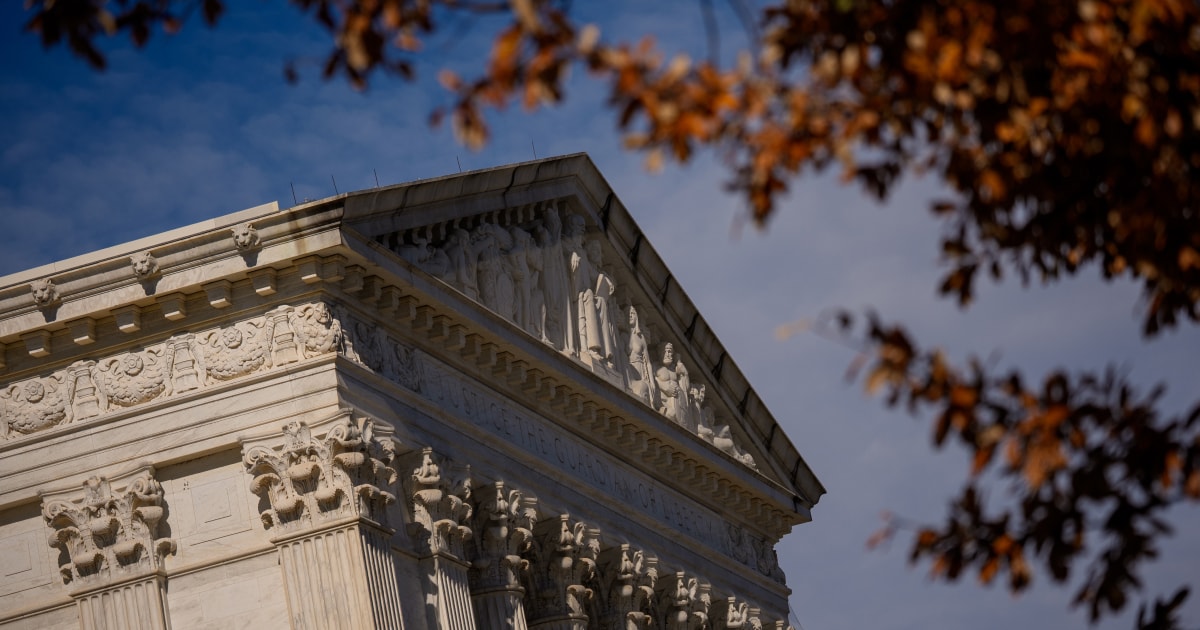
The United States Supreme Court is considering whether to take up a case that could draw the civil courts into a dispute over one of the Church’s oldest papal collections, after a Rhode Island Catholic sought to force the return of what he claims are millions of dollars in Peter’s Pence donations. The case turns on whether judges may examine how bishops and priests described the purpose of the offering, or whether such questions are protected from state scrutiny by the First Amendment.

Peter’s Pence has long been presented as an annual expression of solidarity with the Pope and his mission. In the United States, the bishops describe it as supporting humanitarian initiatives, social projects and the work of the Holy See itself. The plaintiff, David O’Connell, filed suit in 2020 arguing that Catholics were led to believe the collection was directed solely to urgent charitable relief, when in fact some of the money also went towards Vatican administrative costs.

The US Conference of Catholic Bishops has asked the Supreme Court to intervene after lower courts allowed the case to proceed. The bishops argue that the lawsuit trespasses into matters of internal Church governance and religious teaching, and should therefore be barred by the Church autonomy doctrine, a line of constitutional protection intended to prevent government interference in ecclesial affairs.

Lawyers for the bishops, represented by the Becket Fund for Religious Liberty, say the implications go well beyond one plaintiff’s complaint. Daniel Blomberg, a senior attorney with Becket, told EWTN News that popes have used Peter’s Pence in various ways for centuries, and said the suit would effectively ask secular courts to decide how the Catholic Church may speak about the collection and how papal funds ought to be administered. He said the plaintiff is seeking not only the return of his own gift, but restitution for millions of other Catholics.

That argument has drawn support from a range of religious and legal advocates. Amicus briefs filed at the Supreme Court by groups including the Thomas More Society and the Lutheran Church–Missouri Synod contend that the case would entangle the judiciary in questions of doctrine, homiletics and Church polity. A separate filing by Notre Dame law professor John Garvey argues that the courts would be forced to decide who within the Church controls preaching about Peter’s Pence, what parishioners should reasonably understand Catholic teaching to mean, and whether the Pope may direct such funds towards the running of the Holy See.

For now, the justices have not said whether they will hear the case. But the dispute has already sharpened a larger constitutional question: whether civil fraud claims can be used to challenge the way a church explains its own collections, or whether that would allow the state to intrude into the Church’s inner life. On that point, the bishops are plainly hoping the Supreme Court will draw the line in their favour.

Continue reading with a free account

Create a free account to read up to five articles each month
Create free account

You have # free articles remaining this month.

Subscribe to get unlimited access.
Sign up

subscribe to the catholic herald today

Our best content is exclusively available to our subscribers. Subscribe today and gain instant access to expert analysis, in-depth articles, and thought-provoking insights—anytime, anywhere. Don’t miss out on the conversations that matter most.
Subscribe