


My wife and I were walking on the West Beach in Lossiemouth. Among the many fine beaches of the Moray coast, I hadn’t visited that particular one for perhaps three decades. We generally prefer Hopeman, Burghead or Findhorn. Not just for their proximity to our home but because each offers a variety of delights besides mere sand and gunmetal sea – caves to explore, toddlers’ playground, baker of best buns including “chatterbites”, which are soft buns inserted in the mouth after swimming to cushion the teeth which clash rhythmically after a midsummer swim in the Moray Firth. This July, we spent a fine weekend in Lossiemouth, about ten miles from Pluscarden Abbey, where we worship and where many years ago we attended a funeral mass for my younger brother, Peter. I might add that much of the rest of our worship in Scotland takes place at a beach or a cliff on the Moray Coast. The jet planes from the RAF base (formerly RNAS Fulmar and the only naval air-base to be announced “sunk” during the war by the German propaganda machine) were silent and the North Sea lapped the white sand with rare benevolence. My wife took off her shoes and as we passed a chap walking his dog, he turned to her and said, “Be careful of your bare feet, there’s quite a lot of broken glass about.” She thanked him, we patted his dog and were about to move on when he looked at me a second time. ‘Allan?’ I looked at him and in that moment 50 years disappeared. “Eric,” I said. Eric Adam, now 60, had been my closest childhood friend between the ages of seven and 14, half a year younger than me and half a year older than my late brother. It was with Eric that I learned how girls worked, with Eric that I roamed the countryside on bicycles, explored the cliffs, risked the caves, lifted the gulls eggs from their nest, played cowboys amid the inland dunes of the Spey Valley. But mainly we went to movies and the municipal swimming baths. And then we went to the movies. The “fillums” were not just escape and pleasure, they were ceremony. Elgin had two cinemas, the Playhouse and the Picture House. The programmes changed every two days and since it was always a double bill this meant a menu of some 12 films a week. And that was just Elgin. Lossiemouth, too, had a cinema. Forres had one. So did Nairn. Tiny Dufftown, where two distilleries were the sole support of the community, had an especially charming cinema, possibly, and impossibly, called The Regal. With a little hard work on your bicycle pedals – weather was simply never a factor since like in all childhoods the sun shone constantly in mine – and a few shillings, this range of films was as extensive a choice as anything Netflix can offer today. Eric, Peter and I shared all our childhood experiences with one exception: the mysteries of our Catholic faith with its ceremonies and certainties were not grasped by young Eric whose Highland Protestant beliefs were untested and unknown. Our other difference was that Peter and I seemed to belong to a family prone to dying. The funerals of my father, when I was eight, my grandparents, aunts and other relatives were ours alone to witness. Some of them searing, fundamentally changing losses. Most of them ending in the bleak cemetery which straddles a wind-blasted hill between Elgin and New Elgin. Only when those rites were concluded did Eric join us once again in our more prosaic rituals. The Lossiemouth beach walk became a slow stroll as Eric and I had an animated exchange of memories. We made little reference to the intervening 50 years; adulthood, work, marriage, children and other relevant events which had changed two Elgin loons into grey-haired men given to death-postponing exercise on a beach, were simply assumed.
10:00 AM
Intimations of (im)mortality
Allan Scott , co-creator of The Queen’s Gambit , looks back on his youth as he strolls along the beaches near Pluscarden Abbey.
Allan Scott


6 min read



Already a subscriber? Sign in
5freearticles every month
Continue reading with a free account. No card needed.
- Five free articles every thirty days, on any device you sign in on
- The Catholic Herald newsletter, every morning
- Subscribe whenever you like for everything: every article and the magazine
Related articles
 Travel & Pilgrimage
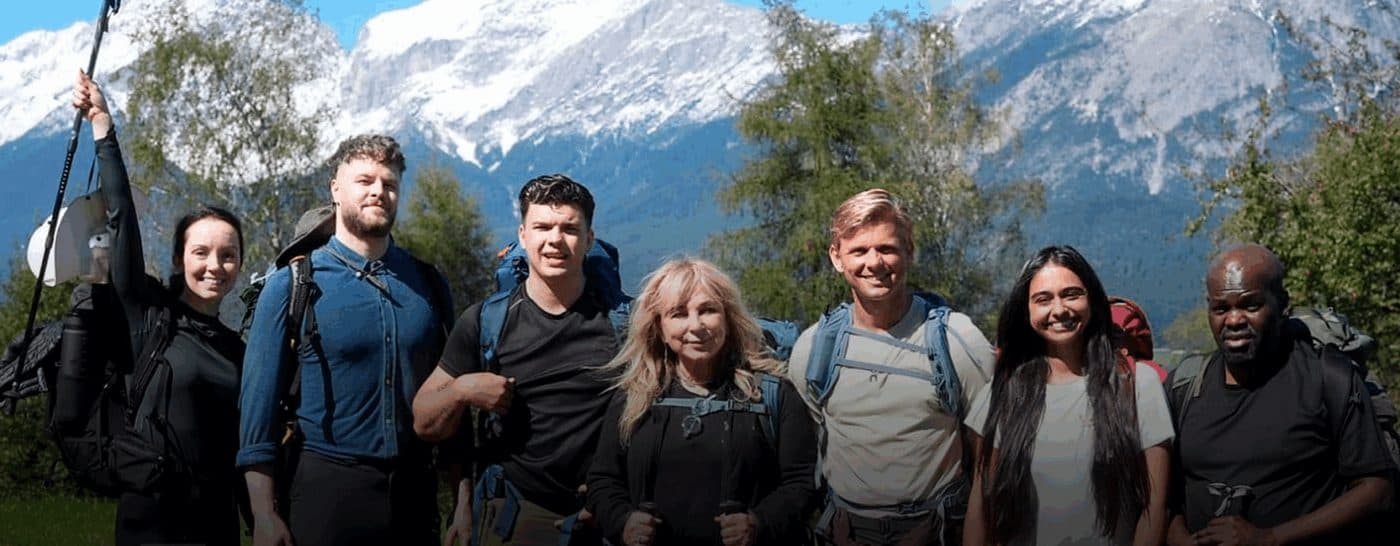
Road through the Alps: the BBC champions Austria's historic Jakobsweg
Mathew Thorpe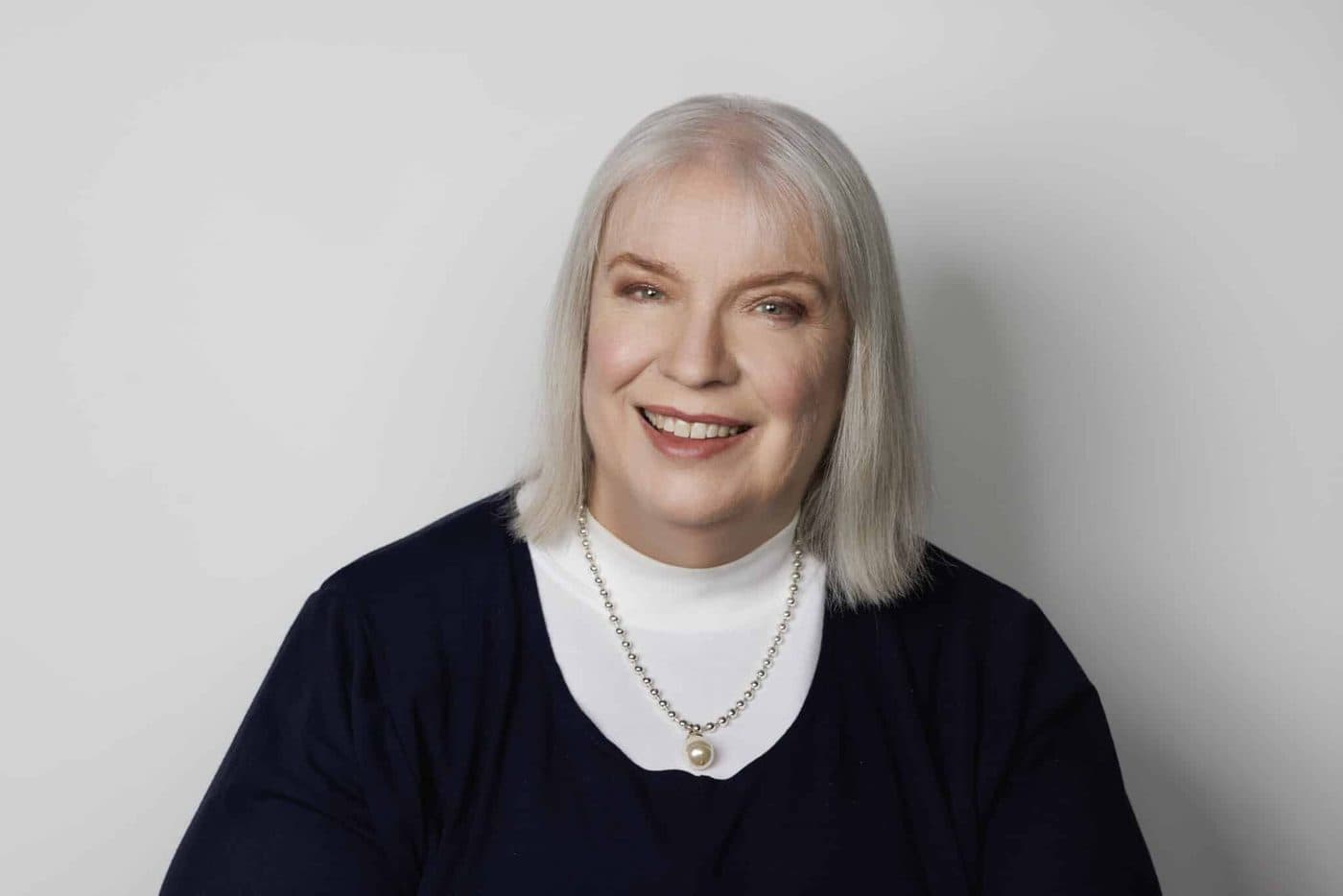 Travel & Pilgrimage
On pilgrimage with Tess Livingstone: Australian journalist, author on Cardinal Pell
The Catholic Herald Travel & Pilgrimage
On the trail of the elusive Christian Assyrians: travels in Tur Abdin
Euan McGivern Travel & Pilgrimage
Vatican unveils anime pilgrim mascot for Jubilee 2025 to engage pop-culture youth
Thomas Edwards Travel & Pilgrimage
New 10-million-euro convent for Benedictine ‘Irish Dames of Ypres’ baulks secular trends
Declan McSweeney
subscribe to the catholic herald today
Our best content is exclusively available to our subscribers. Subscribe today and gain instant access to expert analysis, in-depth articles, and thought-provoking insights—anytime, anywhere. Don’t miss out on the conversations that matter most.
Subscribe



