


April 6, 2026

Spanish bishops offer access to the Pope for a minimum of €500,000

The Catholic Herald
More
Related
Min read
share

The Spanish Bishops’ Conference has drawn scrutiny after a dossier revealed a structured five-tier donation system offering varying degrees of access to the Pope during his forthcoming visit to Spain.

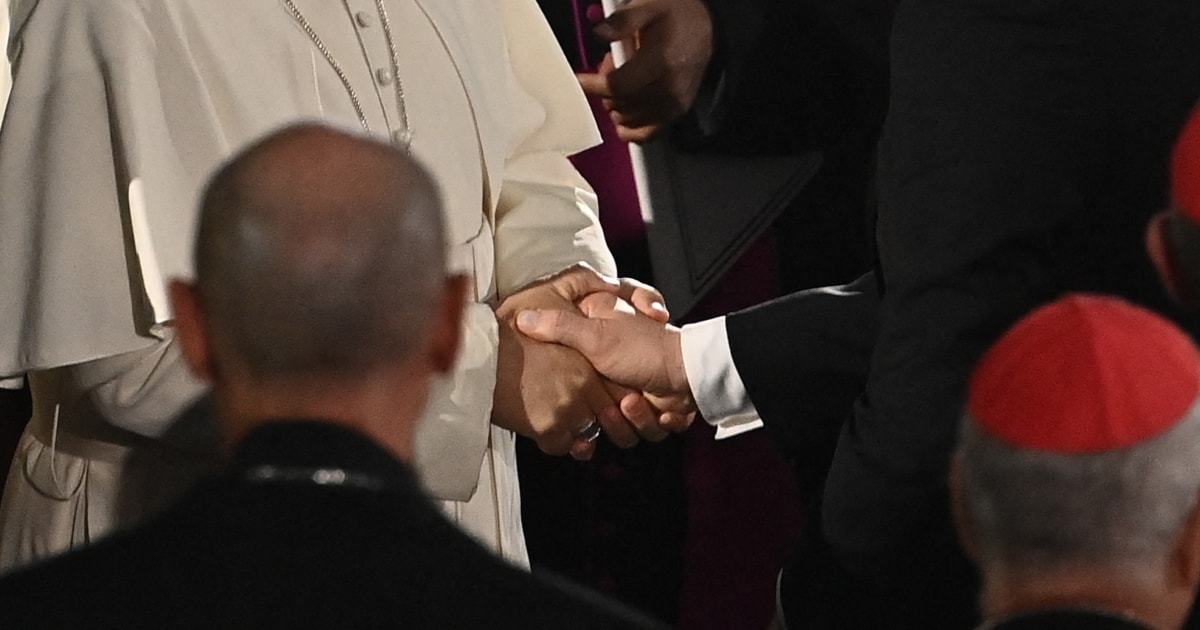
According to material obtained by Crux, the scheme places “Great Benefactors” at the top tier, requiring donations of between €500,000 and €1 million. In return, donors are promised a private meeting with the Pope, participation in a Vatican working session and reserved seating at events throughout the visit. One level below, “Benefactors” contributing between €250,000 and €500,000 are offered similar privileges, though without a private audience.
Further down the scale, the “Sponsor” category, requiring between €50,000 and €250,000, does not include any guaranteed papal meeting but grants the title of “Business Ambassador” for use in public communications. “Collaborators”, contributing €10,000, are listed in official directories and mentioned in event communications, while the lowest tier, “Friends”, contributing €1,000, receive formal recognition in the form of a certificate.

The initiative forms part of efforts to fund the Pope’s planned visit in June, with total costs estimated at between €15 million and €30 million. A spokesman for the organising committee told Crux the approach was designed to limit the financial burden on the public purse. “Requesting support, in this case, is our way of covering the material costs of a trip of this magnitude without these falling on taxpayers,” the spokesman said. He added that the Pope, “like the Church in Spain, will, as usual, show a gesture of gratitude to all of them … in the form of a meeting.”

The dossier has been circulated to businesses, foundations and individuals of significant means, outlining both the financial requirements and the associated benefits. Alongside access to events and recognition, prospective donors are presented with the prospect of substantial visibility.

Organisers estimate that the visit could draw more than 1.5 million attendees in person, with a global television audience of around 500 million, as well as extensive coverage across social media platforms. Sponsors are told that such exposure would associate their brands with values including peace and solidarity.

Financial incentives are also emphasised. Under Spain’s Patronage Law, donations may qualify for tax deductions of between 40 and 50 per cent, potentially rising to as much as 90 per cent if the event is classified as being of “exceptional public interest”. The combination of visibility and fiscal relief is presented as a key element in encouraging contributions across all tiers, from major corporate sponsors to smaller individual donors.

The bishops’ conference has also indicated that ordinary Catholics will be invited to contribute, alongside the larger benefactors and institutional sponsors. “The launch and the actual holding of His Holiness’s trip will be funded thanks to the support of donors, ranging from large companies to small individual contributions, including donations and in-kind contributions, as well as the work of thousands of volunteers,” the spokesman said.

While the structure is presented as a practical attempt to finance a large-scale international visit, the provision of direct access to the Pope in return for substantial donations has prompted accusations of usury. The offering of a private meeting for the highest tier, in particular, has drawn attention given the sensitivity surrounding access to the Pope and the perception of preferential treatment.

The Spanish Bishops’ Conference has drawn scrutiny after a dossier revealed a structured five-tier donation system offering varying degrees of access to the Pope during his forthcoming visit to Spain.

According to material obtained by Crux, the scheme places “Great Benefactors” at the top tier, requiring donations of between €500,000 and €1 million. In return, donors are promised a private meeting with the Pope, participation in a Vatican working session and reserved seating at events throughout the visit. One level below, “Benefactors” contributing between €250,000 and €500,000 are offered similar privileges, though without a private audience.
Further down the scale, the “Sponsor” category, requiring between €50,000 and €250,000, does not include any guaranteed papal meeting but grants the title of “Business Ambassador” for use in public communications. “Collaborators”, contributing €10,000, are listed in official directories and mentioned in event communications, while the lowest tier, “Friends”, contributing €1,000, receive formal recognition in the form of a certificate.

The initiative forms part of efforts to fund the Pope’s planned visit in June, with total costs estimated at between €15 million and €30 million. A spokesman for the organising committee told Crux the approach was designed to limit the financial burden on the public purse. “Requesting support, in this case, is our way of covering the material costs of a trip of this magnitude without these falling on taxpayers,” the spokesman said. He added that the Pope, “like the Church in Spain, will, as usual, show a gesture of gratitude to all of them … in the form of a meeting.”

The dossier has been circulated to businesses, foundations and individuals of significant means, outlining both the financial requirements and the associated benefits. Alongside access to events and recognition, prospective donors are presented with the prospect of substantial visibility.

Organisers estimate that the visit could draw more than 1.5 million attendees in person, with a global television audience of around 500 million, as well as extensive coverage across social media platforms. Sponsors are told that such exposure would associate their brands with values including peace and solidarity.

Financial incentives are also emphasised. Under Spain’s Patronage Law, donations may qualify for tax deductions of between 40 and 50 per cent, potentially rising to as much as 90 per cent if the event is classified as being of “exceptional public interest”. The combination of visibility and fiscal relief is presented as a key element in encouraging contributions across all tiers, from major corporate sponsors to smaller individual donors.

The bishops’ conference has also indicated that ordinary Catholics will be invited to contribute, alongside the larger benefactors and institutional sponsors. “The launch and the actual holding of His Holiness’s trip will be funded thanks to the support of donors, ranging from large companies to small individual contributions, including donations and in-kind contributions, as well as the work of thousands of volunteers,” the spokesman said.

While the structure is presented as a practical attempt to finance a large-scale international visit, the provision of direct access to the Pope in return for substantial donations has prompted accusations of usury. The offering of a private meeting for the highest tier, in particular, has drawn attention given the sensitivity surrounding access to the Pope and the perception of preferential treatment.

subscribe to
the catholic herald

Continue reading your article with a subscription.
Read 5 articles with our free plan.
Subscribe

subscribe to the catholic herald today

Our best content is exclusively available to our subscribers. Subscribe today and gain instant access to expert analysis, in-depth articles, and thought-provoking insights—anytime, anywhere. Don’t miss out on the conversations that matter most.
Subscribe