




The paradox of Christianity is beyond the pagan teachings of Heraclitus.
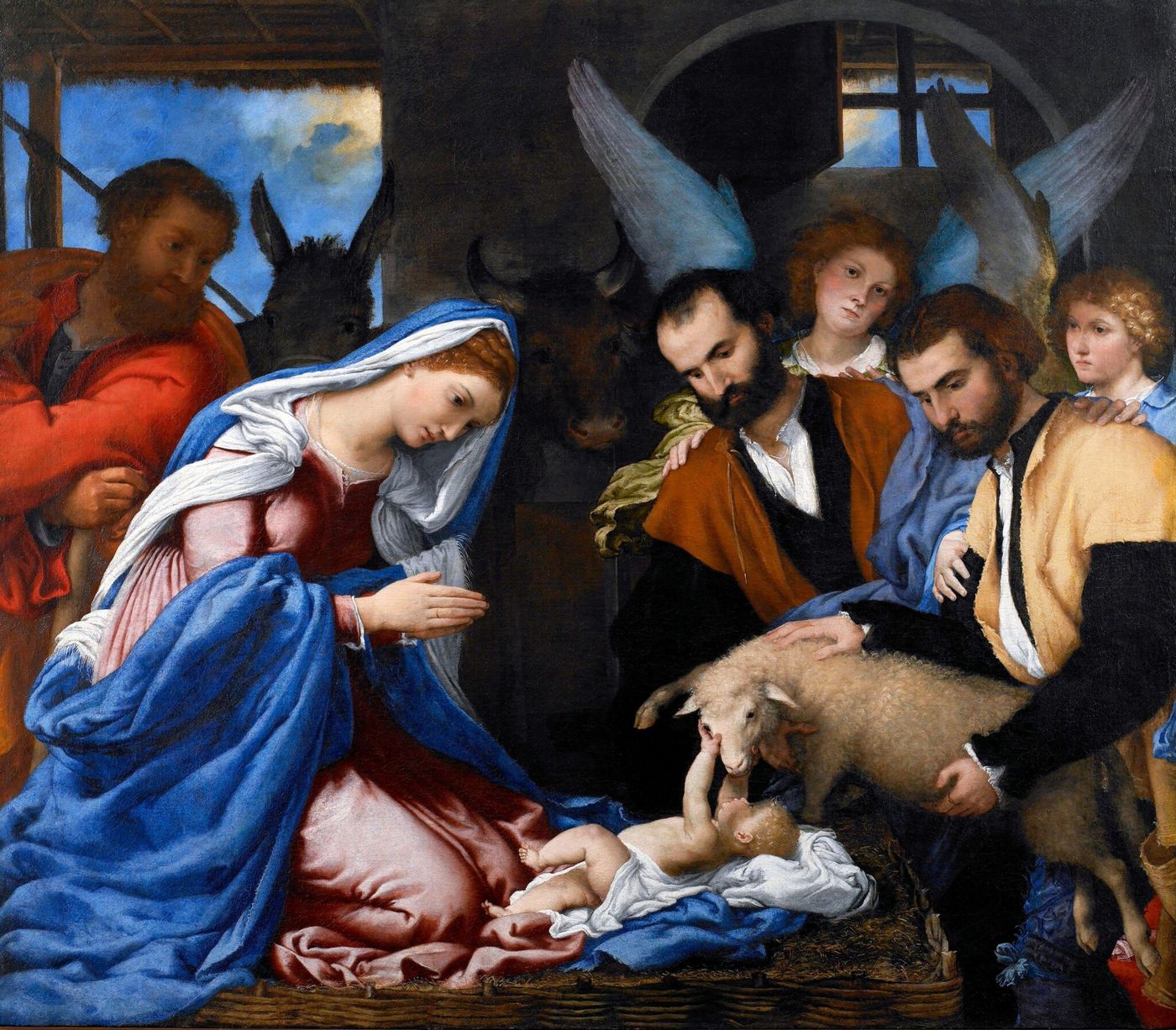
At the heart of the Christmas celebration is the fact that the Word became flesh and dwelt among us. God has shown us how to be human by becoming human, and so this fact has much to teach us about human existence. In particular, it reminds us that as human beings, we have a physical existence.
Recently, I completed a PhD dissertation in the philosophy of physics. My original motivation for writing such a dissertation was that I wanted to understand how Aquinas’s doctrine on the human soul could be compatible with contemporary physics. But in order to gain a deeper understanding of contemporary physics, I began my dissertation by wrestling with the so-called EPR-Bohm paradox which describes a phenomenon in which it appears to be possible for some effect to propagate faster than the speed of light. This is paradoxical because according to Einstein, travelling faster than the speed of light is supposed to be impossible. I spent so much time wrestling with this paradox, I’d written enough to get a doctorate before I’d even started on the question of how contemporary physics relates to the soul. Nevertheless, I’ve found that wrestling with a paradox can be a great way to gain a deeper understanding of physical reality.