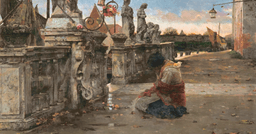
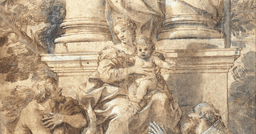
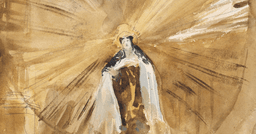
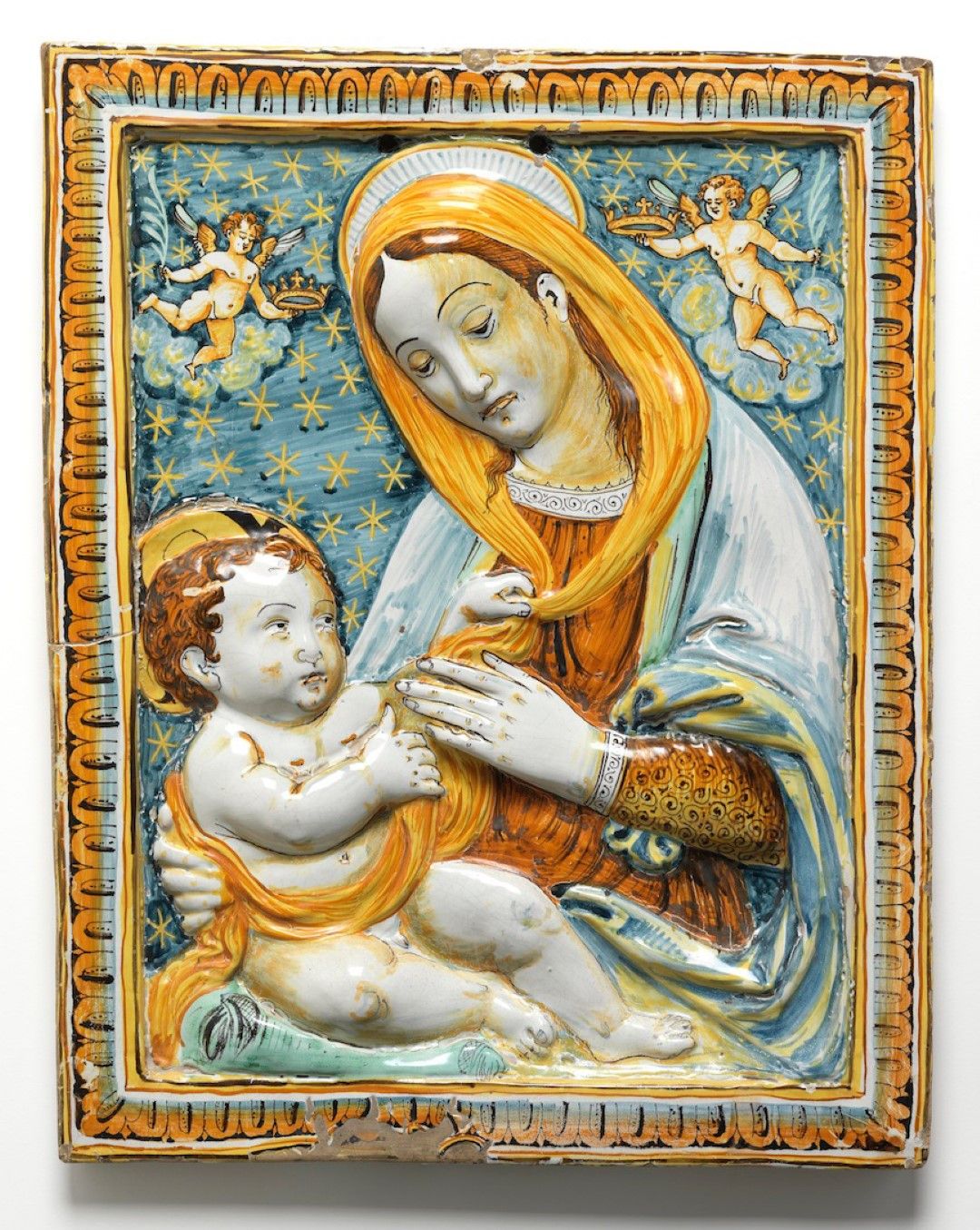
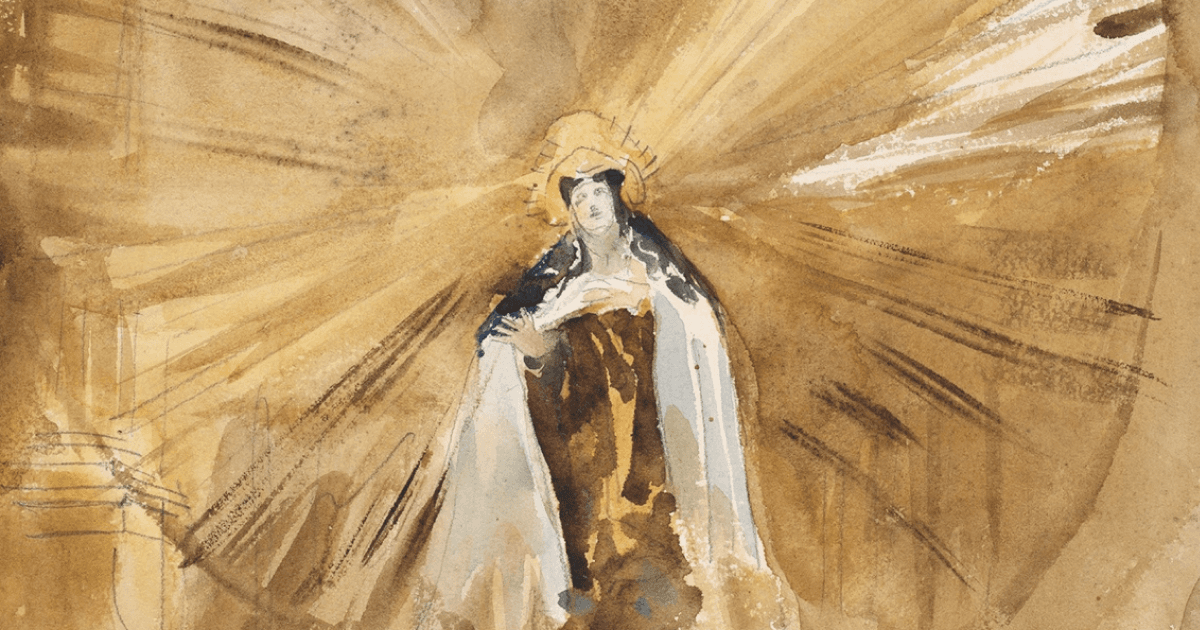
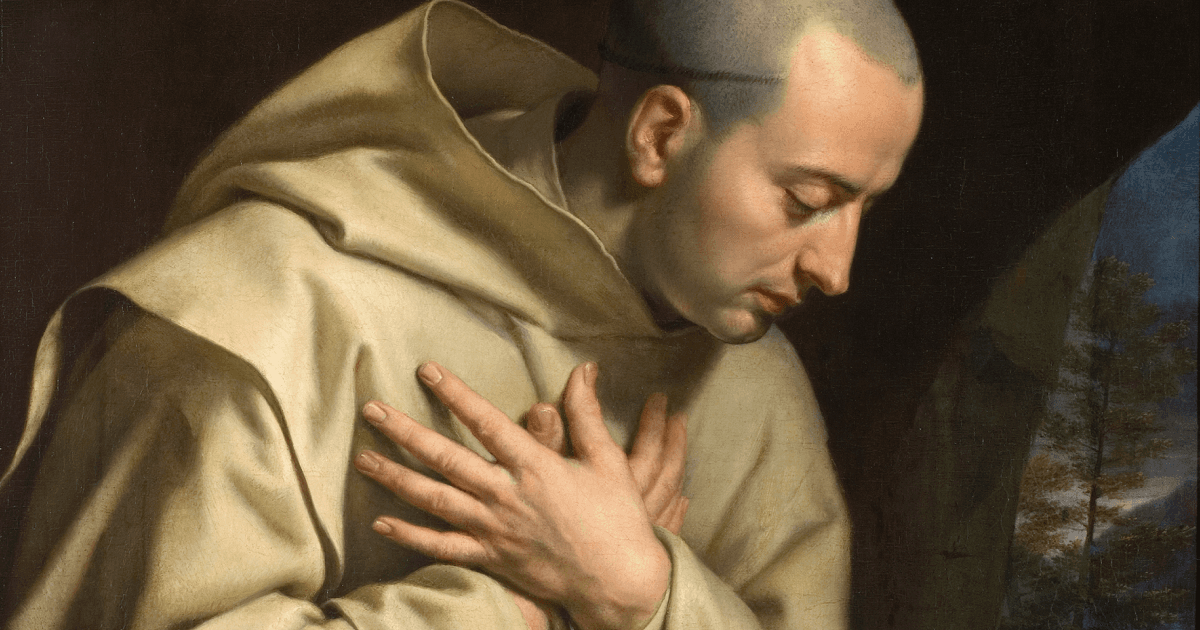
Most of our encounters with the religious art of Renaissance Italy are made in either churches or galleries. All too easily we ignore the broader spiritual context in which a Botticelli Madonna, a Luca della Robbia Annunciation or a Donatello John the Baptist was originally created. Artefacts as superb as these spring from a world in which devotion flourished amid private spaces, where worship was empowered through a variety of portable objects whose intrinsic beauty enhanced even the smallest gesture of faith. Rosaries, pilgrim badges and reliquaries could remind the devout of the Blessed Virgin or a favourite saint. So too could the images painted on a majolica dish or carved on an ivory comb.
12:00 PM
Fine art: Tiny masterpieces as splendid as any Botticelli
most of our encounters with the religious art of renaissance italy are made in either churches or galleries. all too easily we ignore the br...
Jonathan Keates

3 min read



Already a subscriber? Sign in
5freearticles every month
Continue reading with a free account. No card needed.
- Five free articles every thirty days, on any device you sign in on
- The Catholic Herald newsletter, every morning
- Subscribe whenever you like for everything: every article and the magazine


subscribe to the catholic herald today
Our best content is exclusively available to our subscribers. Subscribe today and gain instant access to expert analysis, in-depth articles, and thought-provoking insights—anytime, anywhere. Don’t miss out on the conversations that matter most.
Subscribe