June 14, 2026

A first pilgrimage to Chartres

Georgia Gilholy
More
Related
Min read
share

Charlotte Brontë’s industrial saga Shirley contains many episodes that seem alien to us today. Take the ruckus that erupts after furious Dissenters confront a Whitsuntide procession at which timid protagonist Caroline Helstone is in attendance. Nowadays, perhaps the gravest offence against such practices is rarely fervour against “Popish” customs, but ignorance that they exist at all.

Whitsunday, the proper English name for Pentecost, was observed as a major feast day in Britain for more than 1,000 years, although many elements were temporarily repressed by the Reformation. For now it has largely been discarded by our transformed tastes for the secular.
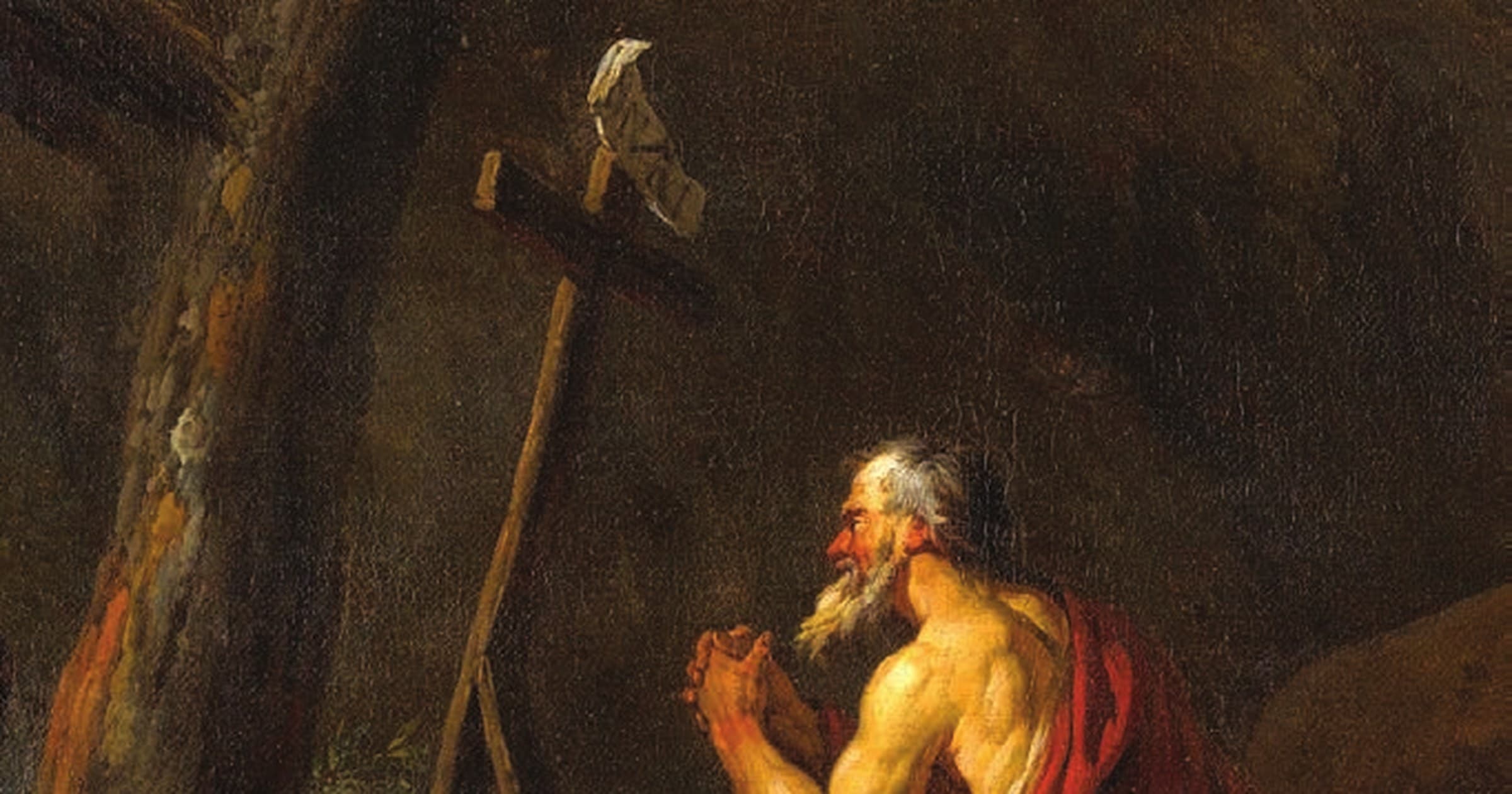
Many, though not all, of England’s formerly great pilgrimage routes, which often flourished on such holidays, are now extinct.

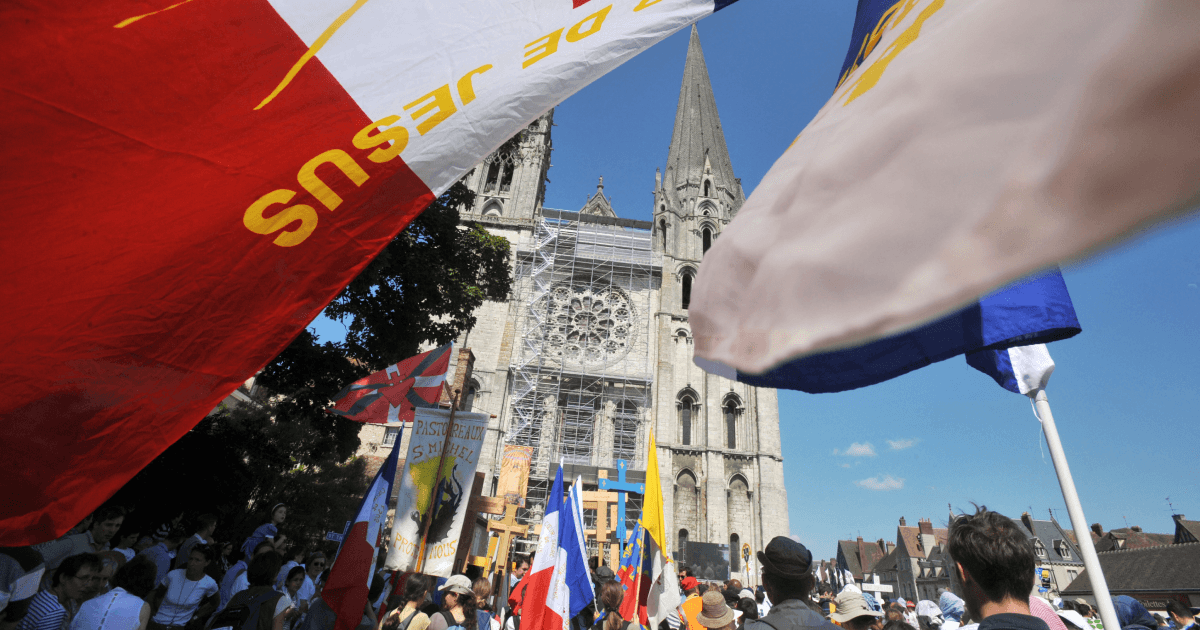
We Catholics are nothing if not resilient, and while looking Europeward was just as common for our medieval forebears, many pilgrimage routes on the Continent are thriving, especially those that lean into tradition. This year some 20,000 Catholics descended upon Paris to embark upon the Chartres pilgrimage over Pentecost weekend. A whopping one-third of pilgrims were embarking upon the path to Chartres for the first time. This year marked my first trip to the historic city, and, somewhat shamefully, my first pilgrimage of any form.

The Church teaches that while pilgrimages are not a prerequisite to salvation, they are a worthy practice that encourages us partly to remove ourselves from the nonsense of the world for a period of time in order to increase in prayer and repentance.

Of course, there are many biblical precedents. The Israelites’ wandering in the desert. The Nativity and the Holy Family’s subsequent flight into Egypt. Jesus’s journey to Jerusalem. The Apostles’ decades of mission across the Mediterranean and Near East.

To be a Christian is to admit, as cliché as it may sound, that we must always act as pilgrims in this life, and it seems there is something of a surge in those keen to confess this journey. EWTN reports that “the number of adult catechumens baptised at Easter has increased significantly over the past decade, according to the French Bishops’ Conference. A large proportion of them come from secular or non-Christian backgrounds.”

Pentecost marks the fruitful conclusion of Eastertide, as we celebrate the descent of the Holy Spirit upon the Apostles like “violent rushing wind”. This year pilgrims were not greeted with refreshing gusts of spring breeze as a sign of the Lord of Light’s presence but the “pure beaming radiance” of the seasonal hymn often attributed to France’s King Robert II the Pious.

Naturally, I can hardly accuse God of having overdone it, but the temperature hovered around 30C throughout the weekend – rather tough conditions under which to walk for many hours in open fields. Even pilgrimage veterans admitted that the unusual heat made this their hardest year in recent memory. Our sufferings, however, are one way of coming closer to the truth. This is because they are clues that an ultimate “Good” must exist if anything at all can be defined as “Bad”.

The snippets of torment on our road allowed me to understand our ancestors’ consistent braving of extreme cold and heat, dry and wet, light and dark, across vast and mysterious landscapes, ever in search of food, drink and respite. Not to mention the alternate periods of long silence or joint prayer and singing. No wonder these people poured forth mesmerising dream poetry à la “The Dream of the Rood” and built dazzling cathedrals like Chartres itself.

The last hour of the walk was perhaps the most difficult, because we had reached the apex of our exhaustion while feeling so close to completion. Like the glimpses of Heaven we feel on earth, the spires of Chartres Cathedral were sometimes visible, but at points still seemed impossibly out of reach. We cannot fully comprehend Christ’s anguish, through which He has allowed us the hope of eternity, although it certainly helps one imagine it more vividly. We are creatures like any other, and often require physical stimuli to guide us.

Upon arriving at the concluding Mass, the English groups’ relief soon switched into a combination of horror and prayer as a priest fluent in French and English was frantically sought out: a pilgrim had been rushed to hospital due to a serious heart attack. The following day it seemed our prayers were answered after news spread that the same elderly gentleman had made a swift recovery, and was now convalescing at the local pub. C’est la vie, and – of course – Deo gratias.

As CS Lewis explains in The Problem of Pain, God “whispers to us in our pleasures” but “shouts in our pain”, the latter being “His megaphone to rouse a deaf world”. One cannot recommend such a physically gruelling experience like a play or a restaurant, but it certainly offers a delight that is difficult to encounter in everyday life.

Come along to Chartres next year if you are able to. Your body may not feel immediately refreshed, but your soul certainly will.

Continue reading with a free account

Create a free account to read up to five articles each month
Create free account

You have # free articles remaining this month.

Subscribe to get unlimited access.
Sign up

subscribe to the catholic herald today

Our best content is exclusively available to our subscribers. Subscribe today and gain instant access to expert analysis, in-depth articles, and thought-provoking insights—anytime, anywhere. Don’t miss out on the conversations that matter most.
Subscribe