


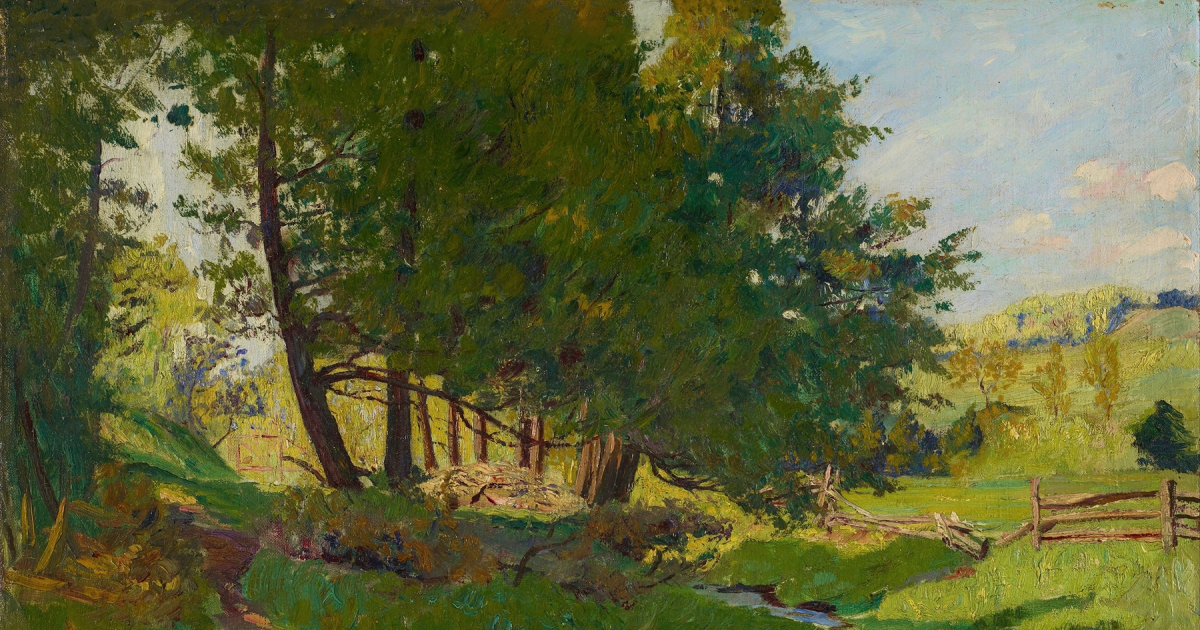


Summertime: long evenings, dinners al fresco, a glass of chilled wine, the fragrance of lavender in the garden and the sound of children laughing as they try to escape notice so they can play just a little longer. Few things are more universally cherished than the holidays.
They offer a well-deserved opportunity to rest, to do all the things we’ve long meant to do but never found the time for, to spend time with friends and family who live too far away to visit during the school year and perhaps to travel. But how can we ensure that this precious time is not only restful, but truly life-giving?
Rest is not merely a pleasant luxury; it is part of God’s design for human life. After the work of creation, God Himself rested on the seventh day, sanctifying the rhythm of work and repose. If rest is part of God’s plan, then the way we rest also matters. Yet let us not forget the original meaning of the word holiday: a holy day. The term originally referred to the celebration of an important feast. What if we used this season to make more room for God? What if we made our rest holy?
On August 5, 1973, during his Angelus address, Pope Paul VI offered some reflections on how Christians might spend their holidays. He urged the faithful to ensure that “this free time, which we call holidays, is not devoted entirely to distraction or selfishness”. He recommended reading good books, taking “excursions that allow us to discover the many beautiful treasures of our history and our artistic heritage” and enjoying deep conversations with friends. His advice remains surprisingly relevant today, perhaps even more so in an age when every spare moment can be swallowed up by screens and constant entertainment.
It was during a family holiday that the opening lines of The Lord of the Rings were written. The Tolkien family regularly spent their summer holidays in Sidmouth, on the Devon coast, and there is little doubt that this time away from the busyness and demands of Oxford provided the ideal setting for the imagination of this prominent writer to flourish. Leisure rightly lived creates space not only for rest but also for creativity and allows our greatest gifts to bloom.
It may not be given to all of us to make such good use of our leisure time, but each of us can strive to make it a pause in the ordinary rhythm of our lives. With more time at our disposal, let us learn to savour it. Rather than filling every day with activities, let us rediscover the joy of simply looking around us with gratitude for God’s creation; of truly listening to those who speak to us; and of allowing our children to experience the gift of boredom, so that they may invent games and stories they will remember for years to come.
As a family, we always try to include a spiritual dimension in our summer holiday. These moments remind us that a holiday is not an interruption of our spiritual life but simply another way of living it. Whether it is staying near a monastery so that we can join the Divine Office, visiting a shrine or making a small pilgrimage, we seek to place God at the centre of our holidays, just as we desire Him to hold the first place in our daily lives.
As the feast of the Assumption draws near, let us make every effort to mark it in a special way. Is there a church dedicated to Our Lady near your holiday destination that you could visit? Is there a renowned statue or painting of her before which you might spend some time in quiet contemplation? At the very least, you could plan a simple pilgrimage from your home to your local church, walking there while praying the rosary. In this way, the feast of the Assumption can become the spiritual heart of the summer.
Finally, we can use this quieter season to look back over the past year in the light of God’s providence. The summer break offers a natural pause in which to thank Him for the many graces and blessings we have received, while also entrusting to His mercy the disappointments, hurts and failures we may still be carrying. In the spirit of St Ignatius of Loyola, we can prayerfully review the events of the past months, asking where God has been at work in our lives and how we have responded to His grace. Such an examen of our lives fosters a spirit of gratitude, brings healing and clarity and helps us recognise the gentle invitations the Lord continues to place before us. From this prayerful reflection can emerge simple but concrete resolutions, enabling us to begin the new academic year with renewed purpose and a deeper desire to follow Christ more faithfully. If we return home with grateful hearts, renewed faith and a deeper awareness of God’s presence in our lives, then our holiday will have been far more than a pleasant interlude. It will have become what every Christian holiday is called to be: a time made holy.
.png)
.png)
.png)
.png)
.png)


