July 20, 2026

A priest’s courage in Gaza

Andrew Nash
More
Related
Min read
share

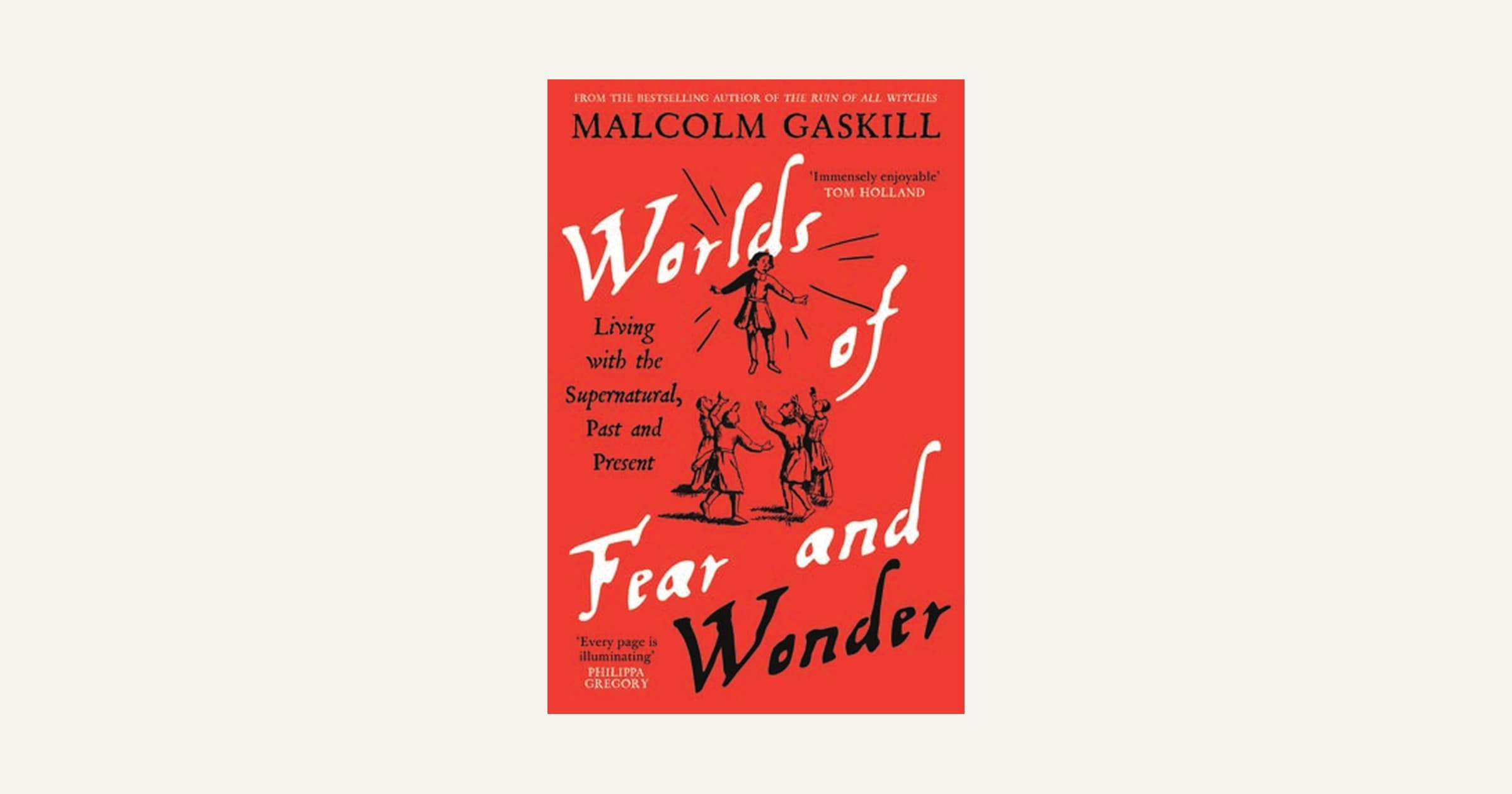
The Priest Who Stayed in Gaza: A Witness to Hope in the Ruins, by Fr Gabriel Romanelli (250pp, Sophia Institute Press, £16.50)

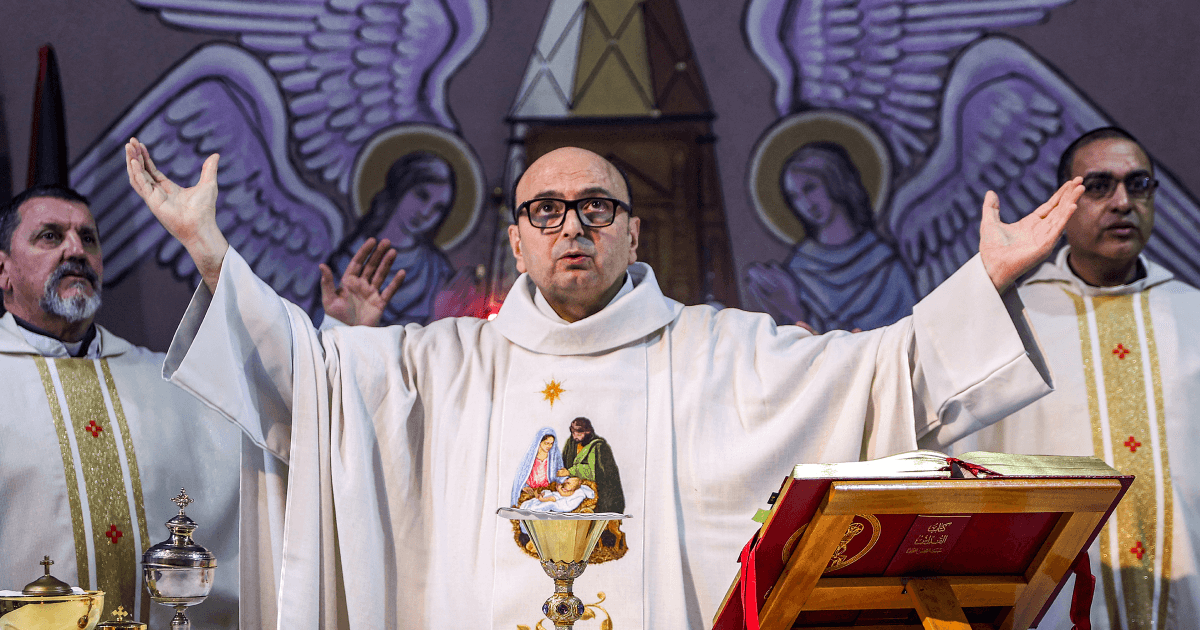
When the Israeli Defence Forces rolled into Gaza in the aftermath of the terrorist atrocity by Hamas of October 7, 2023, the parish priest of the only Catholic parish in the enclave, Fr Gabriel Romanelli, was visiting Jerusalem. Given the scale and ferocity of the invasion, the safe thing to do would have been for him to stay there. Instead, he immediately returned to Holy Family parish; and so began the extraordinary story – both inspiring and harrowing – told in this book.
Christians are only a tiny minority of the population of the Holy Land, about 2 per cent of the total (a century ago they were 30 per cent), but their presence goes back to the time of Jesus and the Apostles. Before the invasion, the parish had a congregation of about 135 people. But as the bombing and shelling began, many locals fled to the Holy Family compound for safety, especially after the nearby Greek Orthodox parish of St Porphyrios was hit. Many Muslims too found sanctuary at the church. Soon about 800 people were there, living in the parish buildings or in tents in its courtyard.

People had lost everything: their homes and possessions had been destroyed; their jobs had ceased; food and water were in short supply. Men and women who had lived normal lives of professional work, education and ordinary family life were now refugees in their own land, living in tents or barely divided rooms; their one hope of survival was that the church would be respected as a sacred place amid the destruction.

We in Europe perhaps don’t appreciate just what role a parish like Holy Family plays for the people in the Holy Land. It’s not just a church building – it’s the heart of the community. It includes three groups of nuns: the Rosary Sisters, who run a large school nearby; Mother Teresa’s Missionaries of Charity, who run an institution for the disabled; and the “Servidoras”, the sisters of the missionary order to which Fr Romanelli belongs, who work alongside him and the two other priests there.

Fr Romanelli describes how, in the desperate situation of the invasion, the clergy, Religious and laity not only provided this safe place for so many people but also had to supervise the distribution of the meagre food supplies and access to water. He also managed – when the bombing and shelling permitted – to keep the children’s schooling and leisure activities going. All this was on top of the normal round of Masses and devotions in the church, which are considerably more intense than is found in the average UK parish. But he also found that, as parish priest, he was the only authority figure who could arbitrate and negotiate the inevitable frictions between families thrown into proximity in emergency, cramped accommodation and with scant supplies of the basics for life.

He kept a sort of diary, sharing it almost daily with the journalist Guillaume de Dieuleveult from Le Figaro in Paris when the internet connection was working. It not only gives a detailed day-to-day account of how they all survived but also his reflections on the gruelling experiences of war. Romanelli’s courage and resilience are simply astounding, yet his tone is constantly humble. In the midst of scenes of destruction and death, he maintains not only faith and charity but also hope. He constantly writes: “We are in the hands of the Lord. We are well.”

Then on the morning of July 17, 2025, the Holy Family compound was itself hit by artillery shells. Three people were killed, the church and some of the buildings were badly damaged, and Fr Romanelli was injured. There was outrage around the world at this violation of a church, and the Israeli Defence Forces later apologised, saying the shelling had been aimed elsewhere. It would have been understandable if Fr Romanelli had reacted with anger, but his response, once he had been treated for his wounds, was: “I admired our community’s reaction: we have harboured no desire for revenge. We hope for only one thing: peace between men and women of good will.”

As you read his account, you come to a greater and greater admiration of this Argentine-born priest. As a young man he joined the Institute of the Incarnate Word, one of the new orders founded since Vatican II. The order has not been without its problems, but in Fr Romanelli it has evidently produced a priest of striking dedication and commitment, working in one of the worst situations one can imagine.

Assigned to work in the Holy Land, he learned Arabic and Hebrew and is clearly a man of intellect. Had he chosen, no doubt he could by now be living a much more comfortable existence lecturing in an academic institution. What happened in Gaza catapulted him into the spotlight. During the war, Pope Francis phoned him every day to express the prayers and solidarity of the worldwide Church, and Pope Leo has continued this support, as has the Latin Patriarch of Jerusalem, Cardinal Pizzaballa – himself a hugely impressive figure.

In The Priest Who Stayed in Gaza, Fr Romanelli never takes any political position and shows exemplary charity and forgiveness to all parties in the tragedy of what is happening in the Holy Land. He shows how the Church can be a peacemaker and how the embattled Christian community there can be a witness to hope in what appears to be an insoluble situation.

In October 2025 Romanelli, together with the other Holy Family parish clergy, was awarded the Achille Silvestrini International Prize for Dialogue and Peace. But the greatest recognition that we comfortable Western Christians can give him is to read his testimony in this book and learn from it what it is to be a priest, to be a Christian, in Gaza today.

Andrew Nash is a Volunteer Ambassador for the charity Friends of the Holy Land.

Continue reading with a free account

Create a free account to read up to five articles each month
Create free account

You have # free articles remaining this month.

Subscribe to get unlimited access.
Sign up

subscribe to the catholic herald today

Our best content is exclusively available to our subscribers. Subscribe today and gain instant access to expert analysis, in-depth articles, and thought-provoking insights—anytime, anywhere. Don’t miss out on the conversations that matter most.
Subscribe