March 12, 2026

Abbey of La Trappe, mother house of the Trappist Order, considering closure in 2028

Thomas Edwards
More
Related
Min read
share

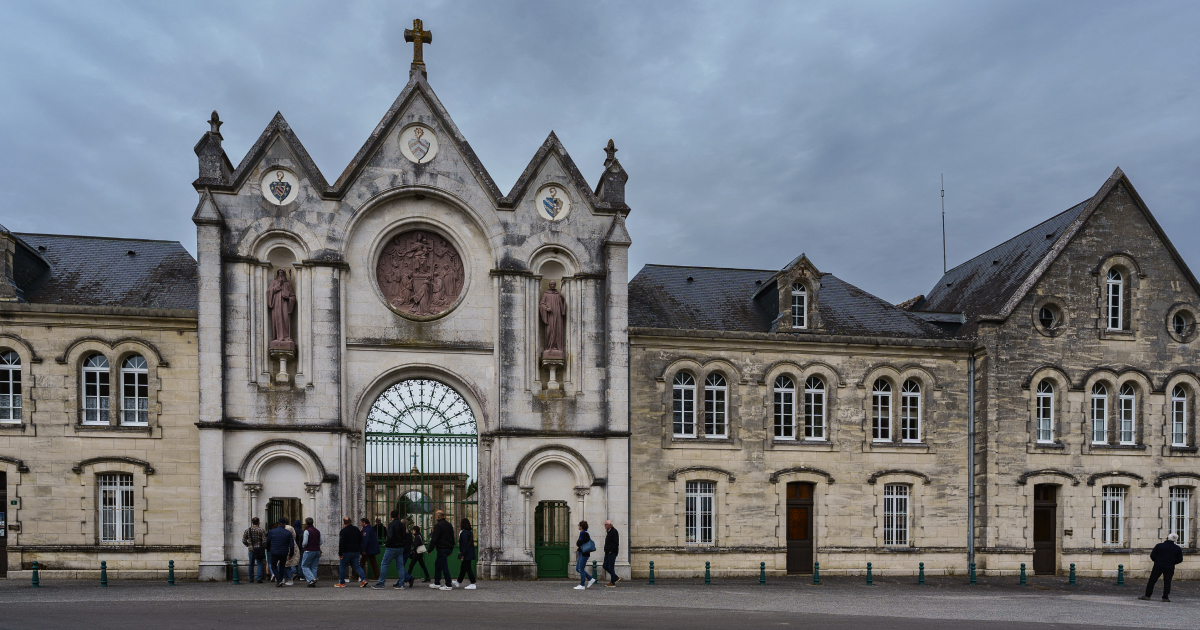
La Trappe Abbey in Normandy is considering closure in 2028. The monks announced in a press release issued on March 6 that they “envision leaving around 2028”, citing “the scarcity of vocations and the increasingly heavy burden of land ownership”.

La Trappe Abbey is the mother house of the Trappist Order, from which the community takes its name. Initially founded in the early twelfth century as a monastery of the Order of Savigny, a Benedictine reform movement, it was raised to the status of an abbey in 1140. In 1147 the Congregation of Savigny came under the jurisdiction of the Cistercian Order and thus under the authority of the abbot of Clairvaux.

In 1636, during the reign of Louis XIII, the young nobleman Armand Jean le Bouthillier de Rancé was appointed commendatory abbot of La Trappe. The commendatory system allowed members of the nobility to receive the revenues of monasteries without entering religious life, while the monastic community itself was governed by its prior. Rancé paid little attention to the abbey and accumulated several additional benefices, becoming commendatory abbot of other houses, prior of two priories and a canon of Notre-Dame de Paris, positions that brought him considerable income.

For years Rancé lived a decadent life, enjoying the financial spoils of his position. However, the death of his mistress, the Duchess of Montbazon, in 1657 gave him serious reason to evaluate his decisions and he began a long road to conversion.

In 1660 he was present at the death of the Duke of Orléans, younger brother of Louis XIII, and was aghast at the worldly concerns and preoccupation with rank and status rather than the concerns of religion. The event led him to reflect, “either the Gospel deceives us, or this is the house of a reprobate”. Shortly afterwards he gave up all his possessions except that of the abbey of La Trappe, which he visited for the first time in 1662.

As abbot, he took on the work of reforming the abbey into a more austere expression of Benedictine life, emphasising strict poverty, manual labour, continual penance, silence and renunciation of intellectual and worldly ambition. He wrote several books, including De la sainteté et des devoirs de la vie monastique, in which he outlined the reform introduced at La Trappe and criticised what he saw as more worldly expressions of the Benedictine way of life.

Founding the Order of Cistercians of the Strict Observance, Rancé and his monks quickly became known as “Trappists”, after the abbey itself, and the movement spread to other Cistercian houses.

Suppressed during the French Revolution, with some monks martyred, and with the entire community expelled under French laws against religious institutions in 1880, La Trappe experienced much of the turbulence common to French religious houses in recent centuries. The Order of Cistercians of the Strict Observance formally separated from other Cistercians in 1882 and now has houses throughout the world, including the Abbey of Our Lady of Gethsemani in Kentucky, where in 1941 the Anglo-American spiritual writer Thomas Merton arrived as a postulant.

Commenting on the announcement, Bishop Robert Barron of the Diocese of Winona-Rochester described it as “a sign of the spiritual disaster that has befallen Europe in the last hundred years: an ideological secularism that is rotting the soul of the West”. The founder of Word on Fire continued: “Let’s redouble our prayers that the monks of La Trappe might find a way to preserve their great abbey. It is needed especially now.”

The abbot, Dom Guerric Reitz-Séjotte, has assured that nothing has changed for the moment. “No, La Trappe Abbey has not closed and has not been sold,” he said, explaining that “the brothers are still here, faithful to prayer and work, and activities (reception, shop, etc.) are continuing as normal”.

Regarding the next steps, the abbot said: “We are currently in discussions with other communities to find more suitable solutions, more economically and spiritually relevant. The situation has been difficult for several decades now, and many other abbeys have changed hands.”

La Trappe Abbey in Normandy is considering closure in 2028. The monks announced in a press release issued on March 6 that they “envision leaving around 2028”, citing “the scarcity of vocations and the increasingly heavy burden of land ownership”.

La Trappe Abbey is the mother house of the Trappist Order, from which the community takes its name. Initially founded in the early twelfth century as a monastery of the Order of Savigny, a Benedictine reform movement, it was raised to the status of an abbey in 1140. In 1147 the Congregation of Savigny came under the jurisdiction of the Cistercian Order and thus under the authority of the abbot of Clairvaux.

In 1636, during the reign of Louis XIII, the young nobleman Armand Jean le Bouthillier de Rancé was appointed commendatory abbot of La Trappe. The commendatory system allowed members of the nobility to receive the revenues of monasteries without entering religious life, while the monastic community itself was governed by its prior. Rancé paid little attention to the abbey and accumulated several additional benefices, becoming commendatory abbot of other houses, prior of two priories and a canon of Notre-Dame de Paris, positions that brought him considerable income.

For years Rancé lived a decadent life, enjoying the financial spoils of his position. However, the death of his mistress, the Duchess of Montbazon, in 1657 gave him serious reason to evaluate his decisions and he began a long road to conversion.

In 1660 he was present at the death of the Duke of Orléans, younger brother of Louis XIII, and was aghast at the worldly concerns and preoccupation with rank and status rather than the concerns of religion. The event led him to reflect, “either the Gospel deceives us, or this is the house of a reprobate”. Shortly afterwards he gave up all his possessions except that of the abbey of La Trappe, which he visited for the first time in 1662.

As abbot, he took on the work of reforming the abbey into a more austere expression of Benedictine life, emphasising strict poverty, manual labour, continual penance, silence and renunciation of intellectual and worldly ambition. He wrote several books, including De la sainteté et des devoirs de la vie monastique, in which he outlined the reform introduced at La Trappe and criticised what he saw as more worldly expressions of the Benedictine way of life.

Founding the Order of Cistercians of the Strict Observance, Rancé and his monks quickly became known as “Trappists”, after the abbey itself, and the movement spread to other Cistercian houses.

Suppressed during the French Revolution, with some monks martyred, and with the entire community expelled under French laws against religious institutions in 1880, La Trappe experienced much of the turbulence common to French religious houses in recent centuries. The Order of Cistercians of the Strict Observance formally separated from other Cistercians in 1882 and now has houses throughout the world, including the Abbey of Our Lady of Gethsemani in Kentucky, where in 1941 the Anglo-American spiritual writer Thomas Merton arrived as a postulant.

Commenting on the announcement, Bishop Robert Barron of the Diocese of Winona-Rochester described it as “a sign of the spiritual disaster that has befallen Europe in the last hundred years: an ideological secularism that is rotting the soul of the West”. The founder of Word on Fire continued: “Let’s redouble our prayers that the monks of La Trappe might find a way to preserve their great abbey. It is needed especially now.”

The abbot, Dom Guerric Reitz-Séjotte, has assured that nothing has changed for the moment. “No, La Trappe Abbey has not closed and has not been sold,” he said, explaining that “the brothers are still here, faithful to prayer and work, and activities (reception, shop, etc.) are continuing as normal”.

Regarding the next steps, the abbot said: “We are currently in discussions with other communities to find more suitable solutions, more economically and spiritually relevant. The situation has been difficult for several decades now, and many other abbeys have changed hands.”

subscribe to
the catholic herald

Continue reading your article with a subscription.
Read 5 articles with our free plan.
Subscribe

subscribe to the catholic herald today

Our best content is exclusively available to our subscribers. Subscribe today and gain instant access to expert analysis, in-depth articles, and thought-provoking insights—anytime, anywhere. Don’t miss out on the conversations that matter most.
Subscribe