February 16, 2026

Diary: Archbishop Richard Moth’s installation at Westminster

Melanie McDonagh
More
Related
Min read
share

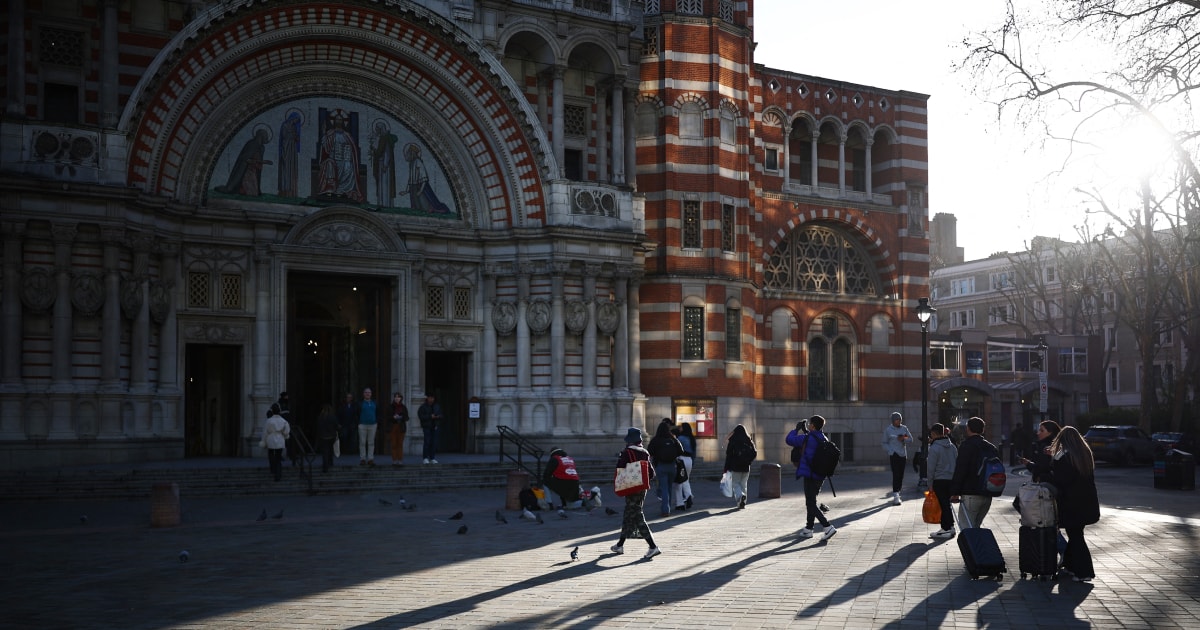
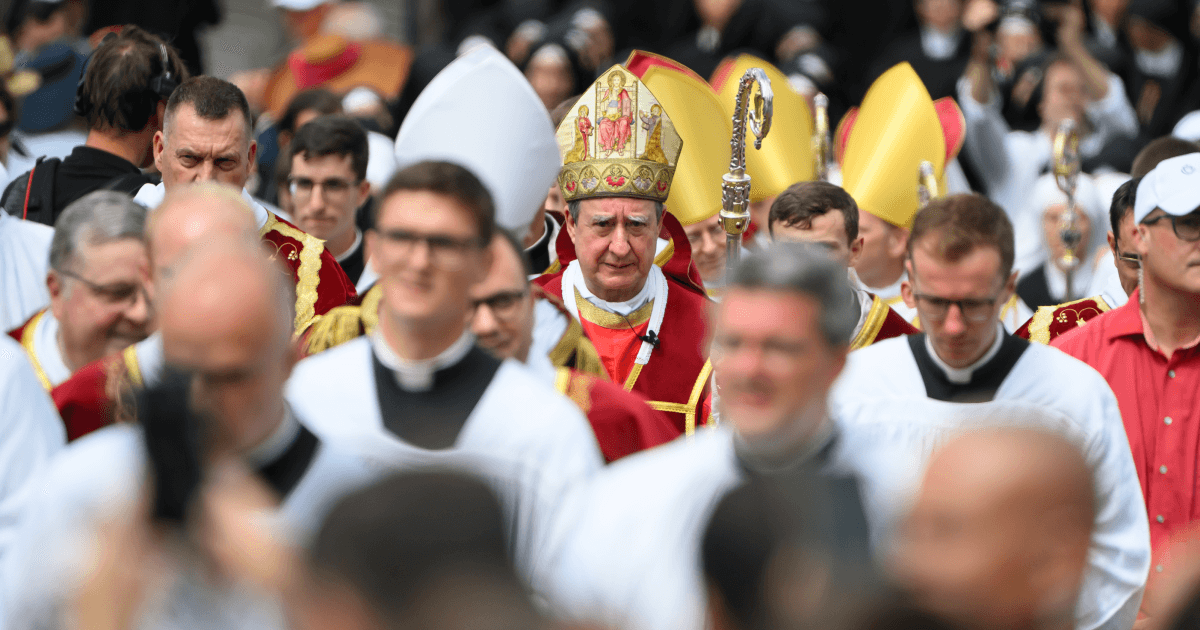
It was Valentine’s Day when Richard Moth was installed as Archbishop of Westminster, to great fanfare – literal trumpet ones – but only the papal nuncio noticed (in his little address at the end). It was Ss Cyril and Methodius who featured in the new Archbishop’s sermon as the saints of the day, “two brothers who answered God’s call” and who set out to evangelise swathes of Eastern Europe. It was a nice ecumenical gesture, at least to the Orthodox representatives present. And it set a feisty tone for the new archbishop’s address: evangelisation was on the agenda and evangelisation, as the Archbishop noted, was mostly about patience. As to whether we are “seeing a quiet revival of faith, the fullness of time will show us its depth, but this is a good time to be a Christian, a Catholic and a follower of Christ”. That cheered everyone up. But he emphasised at the outset that “God’s call is not a call to power; it is characterised by self-control, guided by the Holy Spirit”.

However, the Archbishop is not tone deaf. He also went out of his way to acknowledge that the Church’s “vital” evangelical work was “fragile” and had been “adversely impacted by our failures in love, power and self control” (that word again). He continued: “Here, I am most aware of every occasion on which members of the Church, or the Church as a whole, have failed – most especially when the vulnerable have been abused.” That was the element to do with sexual abuse by clergy picked up by the BBC for its news reporting (pretty well to the exclusion of much of the rest of the service).

He also quoted Popes Francis and Benedict – a tactful touch – and used Benedict’s sermon at Westminster to emphasise that reason and faith need one another and that the Church would not be afraid to share the faith in the public square. “That will require at times boldness”, he observed, by which we can take it that the Archbishop will be as willing as his predecessor to take on questions that are political as well as moral, and yes, we are talking assisted suicide. But he touched on other matters too: “We need not fear the great questions of our time: the need for all peoples to live in peace; the value and dignity of every person; the right to life at every stage; the protection of the vulnerable; the plight of the refugee and the dispossessed; and the protection of our common home.” Something for everyone there.

The other notable feature of the service, which the BBC did also pick up on, was the presence of Sarah Mullally in what I think was choir dress. She observed that “I stand here also as one who has recently been confirmed as Archbishop of Canterbury and who awaits installation” and welcomed the new Archbishop on behalf of Churches Together in England. She began by saying, “We thank God for your Yes” – that is, to the call of the Lord, including his new see. It was a charming observation, except that it would take an unusually humble individual to say “Nolo episcopari” to the Archbishopric of Westminster and mean it (Richard Moth observed later that he was still pinching himself).

She declared that their joint witness would be “deeper when we walk together in honesty and truth”. The tricky aspect of honesty and truth is, of course, to do with the new Archbishop’s official view of Anglican orders in general and Sarah Mullally’s in particular. Was it my imagination, or did she lean forward interestedly to see the female representatives of various Church bodies come up to kiss the new Archbishop’s ring? Whatever; the Archbishop was diplomatic in saying that the Church would be praying for her for the “forthcoming celebrations” at Canterbury Cathedral. It was friendly, but non-committal. But let’s observe in passing that the rubrics for the service note that before entering the West Door, “The Archbishop kneels on the threshold surrounded by the great marble medallions on which are representations of 12 saints who were all Archbishops of Canterbury.” As for the rite of installation itself, according to the official notes, it “draws on an ancient Pontifical used at Canterbury during the time of Archbishop Chichele (1414–1443). It has been customary in Westminster since the restoration of the Catholic hierarchy in England and Wales in 1850”. Just saying.

Were the hymns chosen by Richard Moth? If they were, full marks for including “Sweet Sacrament Divine”, which will resonate with Catholics of the old order; as for “Praise to the Holiest in the Height”, it not only derives from Cardinal Newman’s Dream of Gerontius, it was one that the Anglicans could share full bloodedly. Couldn’t both be made compulsory in Catholic schools? Contemporary hymns are dire.

Other features to note were the ethnic diversity of the readers and that all but one of the prayers of the faithful were delivered by women (including one, remarkably, in a mantilla). Obvious gestures, but no harm in that.

The service was punctuated by applause, warm applause for the Archbishop and the nuncio’s acknowledgement of the work of Archbishop Nichols in 16 years of service in Westminster. He has been a good shepherd indeed. And while everyone was expressing their hope that he would enjoy his well earned rest, it must have been a melancholy as well as a happy occasion for him.

For it was a happy occasion. But let me spoil this observation by noting that Catholics do not seem to know how to dress for formal occasions these days. An awful lot of the congregation (though not the Africans and West Indians) were dowdy and a few people sank to trainers and anoraks. At the installation of an Archbishop? Really? And no hats. Moreover, for future occasions, let’s prepare by learning the words and setting of the Te Deum … the congregation floundered hopelessly at this high point.

Still, it was the right note to strike: Te Deum laudamus.

It was Valentine’s Day when Richard Moth was installed as Archbishop of Westminster, to great fanfare – literal trumpet ones – but only the papal nuncio noticed (in his little address at the end). It was Ss Cyril and Methodius who featured in the new Archbishop’s sermon as the saints of the day, “two brothers who answered God’s call” and who set out to evangelise swathes of Eastern Europe. It was a nice ecumenical gesture, at least to the Orthodox representatives present. And it set a feisty tone for the new archbishop’s address: evangelisation was on the agenda and evangelisation, as the Archbishop noted, was mostly about patience. As to whether we are “seeing a quiet revival of faith, the fullness of time will show us its depth, but this is a good time to be a Christian, a Catholic and a follower of Christ”. That cheered everyone up. But he emphasised at the outset that “God’s call is not a call to power; it is characterised by self-control, guided by the Holy Spirit”.

However, the Archbishop is not tone deaf. He also went out of his way to acknowledge that the Church’s “vital” evangelical work was “fragile” and had been “adversely impacted by our failures in love, power and self control” (that word again). He continued: “Here, I am most aware of every occasion on which members of the Church, or the Church as a whole, have failed – most especially when the vulnerable have been abused.” That was the element to do with sexual abuse by clergy picked up by the BBC for its news reporting (pretty well to the exclusion of much of the rest of the service).

He also quoted Popes Francis and Benedict – a tactful touch – and used Benedict’s sermon at Westminster to emphasise that reason and faith need one another and that the Church would not be afraid to share the faith in the public square. “That will require at times boldness”, he observed, by which we can take it that the Archbishop will be as willing as his predecessor to take on questions that are political as well as moral, and yes, we are talking assisted suicide. But he touched on other matters too: “We need not fear the great questions of our time: the need for all peoples to live in peace; the value and dignity of every person; the right to life at every stage; the protection of the vulnerable; the plight of the refugee and the dispossessed; and the protection of our common home.” Something for everyone there.

The other notable feature of the service, which the BBC did also pick up on, was the presence of Sarah Mullally in what I think was choir dress. She observed that “I stand here also as one who has recently been confirmed as Archbishop of Canterbury and who awaits installation” and welcomed the new Archbishop on behalf of Churches Together in England. She began by saying, “We thank God for your Yes” – that is, to the call of the Lord, including his new see. It was a charming observation, except that it would take an unusually humble individual to say “Nolo episcopari” to the Archbishopric of Westminster and mean it (Richard Moth observed later that he was still pinching himself).

She declared that their joint witness would be “deeper when we walk together in honesty and truth”. The tricky aspect of honesty and truth is, of course, to do with the new Archbishop’s official view of Anglican orders in general and Sarah Mullally’s in particular. Was it my imagination, or did she lean forward interestedly to see the female representatives of various Church bodies come up to kiss the new Archbishop’s ring? Whatever; the Archbishop was diplomatic in saying that the Church would be praying for her for the “forthcoming celebrations” at Canterbury Cathedral. It was friendly, but non-committal. But let’s observe in passing that the rubrics for the service note that before entering the West Door, “The Archbishop kneels on the threshold surrounded by the great marble medallions on which are representations of 12 saints who were all Archbishops of Canterbury.” As for the rite of installation itself, according to the official notes, it “draws on an ancient Pontifical used at Canterbury during the time of Archbishop Chichele (1414–1443). It has been customary in Westminster since the restoration of the Catholic hierarchy in England and Wales in 1850”. Just saying.

Were the hymns chosen by Richard Moth? If they were, full marks for including “Sweet Sacrament Divine”, which will resonate with Catholics of the old order; as for “Praise to the Holiest in the Height”, it not only derives from Cardinal Newman’s Dream of Gerontius, it was one that the Anglicans could share full bloodedly. Couldn’t both be made compulsory in Catholic schools? Contemporary hymns are dire.

Other features to note were the ethnic diversity of the readers and that all but one of the prayers of the faithful were delivered by women (including one, remarkably, in a mantilla). Obvious gestures, but no harm in that.

The service was punctuated by applause, warm applause for the Archbishop and the nuncio’s acknowledgement of the work of Archbishop Nichols in 16 years of service in Westminster. He has been a good shepherd indeed. And while everyone was expressing their hope that he would enjoy his well earned rest, it must have been a melancholy as well as a happy occasion for him.

For it was a happy occasion. But let me spoil this observation by noting that Catholics do not seem to know how to dress for formal occasions these days. An awful lot of the congregation (though not the Africans and West Indians) were dowdy and a few people sank to trainers and anoraks. At the installation of an Archbishop? Really? And no hats. Moreover, for future occasions, let’s prepare by learning the words and setting of the Te Deum … the congregation floundered hopelessly at this high point.

Still, it was the right note to strike: Te Deum laudamus.

subscribe to
the catholic herald

Continue reading your article with a subscription.
Read 5 articles with our free plan.
Subscribe

subscribe to the catholic herald today

Our best content is exclusively available to our subscribers. Subscribe today and gain instant access to expert analysis, in-depth articles, and thought-provoking insights—anytime, anywhere. Don’t miss out on the conversations that matter most.
Subscribe