


A Belgian bishop has said that the debate over married priests in the Latin Church is no longer theoretical, but a question of timing.
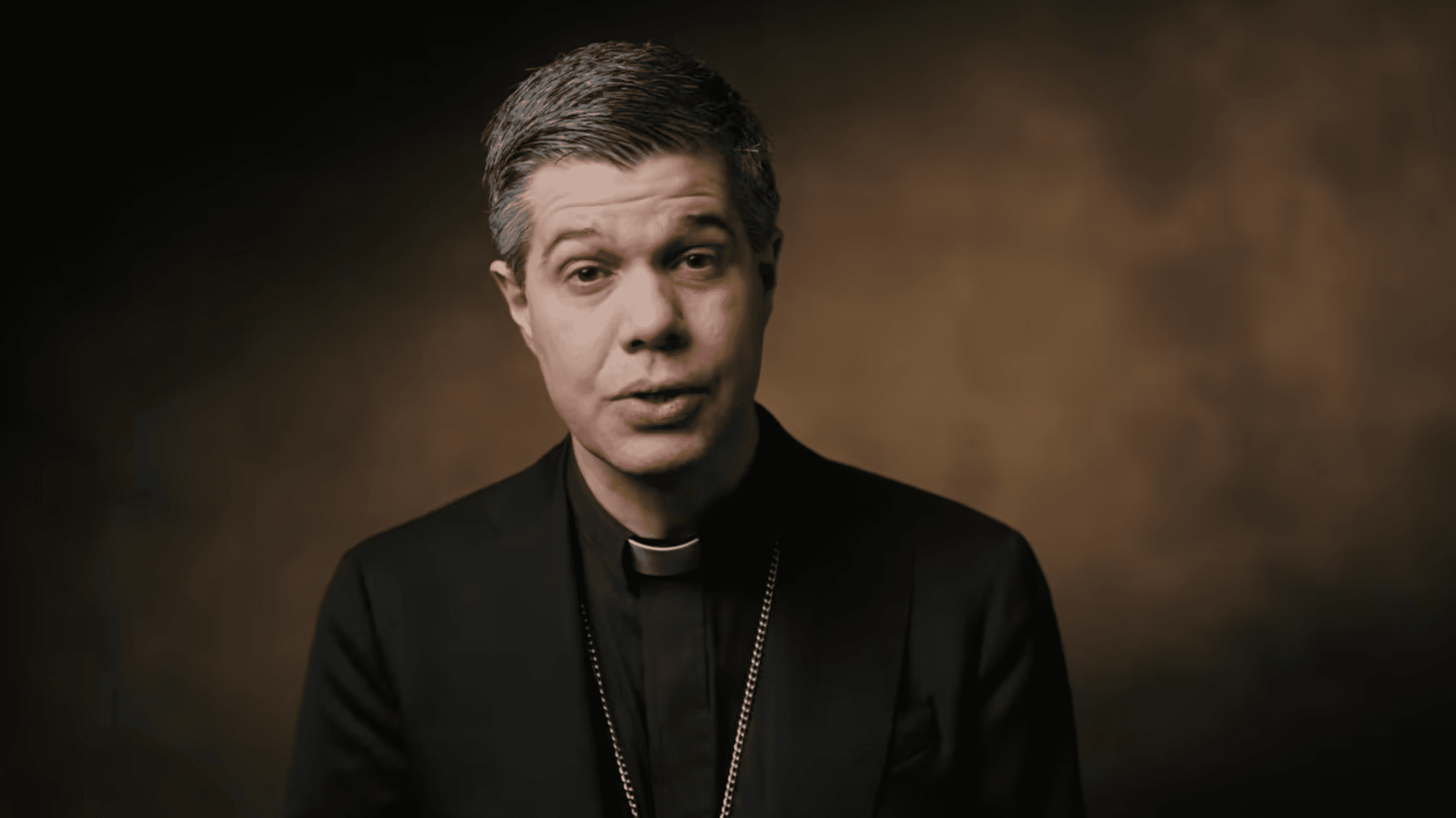
In an 11-page pastoral letter published on March 20, Bishop Johan Bonny of Antwerp announced his intention to ordain married men as priests in his diocese by 2028.
The bishop set out how he intends to implement the conclusions of the recent Synod on Synodality at diocesan level, arguing that the Church must confront what he described as a near-collapse in local vocations. “The question is no longer whether the Church can ordain married men as priests, but when it will do so, and who will do it,” he wrote.

The bishop linked his proposal directly to the pastoral reality in Belgium and similar parts of the West, where priest numbers have declined sharply. “It is an illusion to think that a serious synodal-missionary process in the West still has a chance without also ordaining married men as priests,” he said, adding that the number of unmarried men seeking ordination had “fallen to just above zero”.
While acknowledging the contribution of clergy from abroad, Bishop Bonny insisted that reliance on foreign priests could not provide a long-term solution. They “come to help us, not to replace us”, he said, warning that it would be unjust to shift the burden of Europe’s shortages on to other parts of the Church.
Bishop Bonny nevertheless indicated that he intends to move forward locally. He said he would “make every effort to ordain married men as priests for our diocese by 2028”, adding that candidates would be personally approached and given theological and pastoral formation comparable to that of existing seminarians. The preparation, he said, would be conducted “transparent but discreet, away from the media spotlight”.
He also pointed to what he described as an inconsistency in current practice. Married clergy already serve in the Catholic Church in certain circumstances, including priests from Eastern Catholic Churches and married ministers who convert from other Christian communities. “No one can explain any longer why the ordination of married men is possible for Eastern Catholic seminarians or for Catholic converts, but not for native Catholic vocations,” he wrote, noting that such priests already minister in many dioceses.
Beyond the question of celibacy, the Antwerp bishop touched on broader issues raised during the synodal process, including the role of women in the Church. Referring to the findings of a Vatican commission that did not support the ordination of women to the diaconate, he said the conclusions were “painful” and argued that the reasoning offered had lost its persuasive force.
He stopped short of explicitly challenging established teaching, but signalled his intention to explore new forms of ministry open to both men and women, saying that “the ordained ministry has a right to women” even if no individual has a right to ordination.
Bishop Bonny also said he wanted to make “the sacrament of ordination accessible to women, starting with ordination to the diaconate”.
The letter also connected structural questions within the clergy to the long shadow of the abuse crisis, stating that “clerical subcultures and lifestyles have had their day” and that trust in the Church had been severely damaged.
Previously, the late Pope Francis spoke about the value of priestly celibacy. In January 2019 he said: “Personally, I think that celibacy is a gift to the Church. I would say that I do not agree with allowing optional celibacy, no.”
On the question of reopening the debate for the Latin Church, when asked by the Argentine journalist Daniel Hadad whether celibacy “could be reviewed”, the late Pope Francis responded: “Yes, yes. In fact, everyone in the Eastern Church is married. Or those who want to. There they make a choice. Before ordination there is the choice to marry or to be celibate.”
The earliest textual evidence forbidding marriage to clerics, and requiring those already married to abstain from sexual relations with their wives, appears in the 4th-century decrees of the Synod of Elvira and the later Council of Carthage in 390. Priestly celibacy was only fully enforced during the Gregorian Reform of Pope Gregory VII, circa 1050–1080, which addressed the moral integrity and independence of the clergy.