August 24, 2026

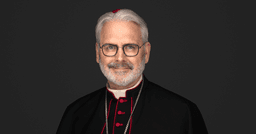
Bishop Nowakowski gives thanks for support for Ukraine on independence day

Corrie Douglas-Young
More
Related
Min read
share

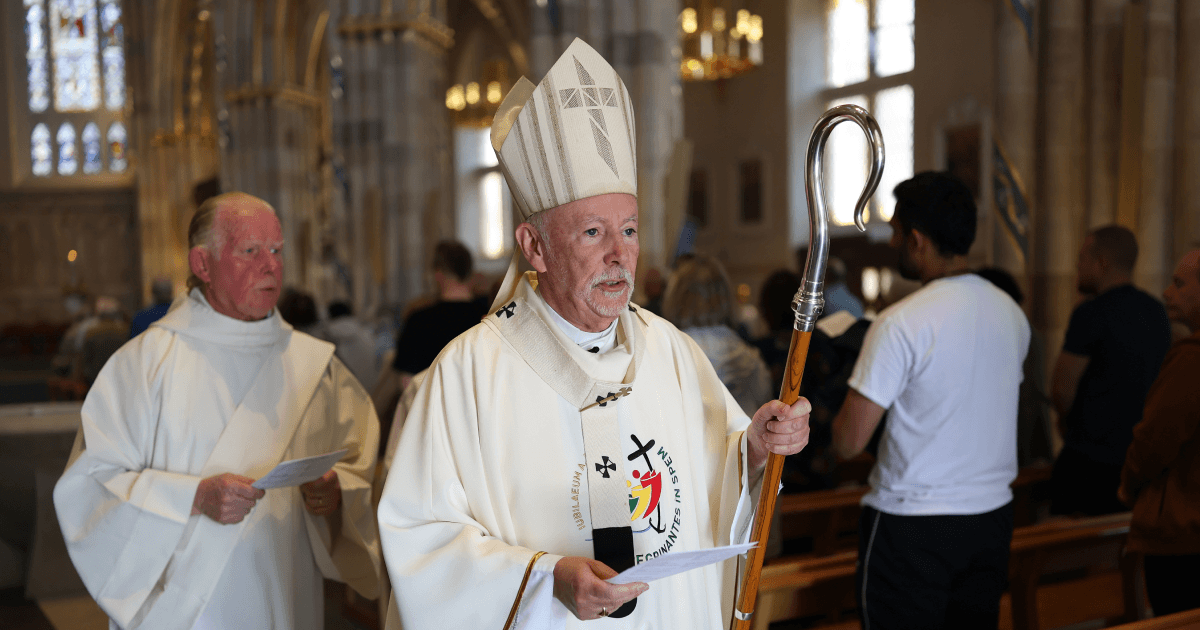
Bishop Kenneth Nowakowski of the Ukrainian Eparchy of the Holy Family of London has expressed his “profound gratitude” to those who have supported Ukraine as he marked the 35th anniversary of the country’s independence. Bishop Nowakowski said that since the outbreak of the war, “the Ukrainian people have endured suffering on a scale that is difficult to comprehend”.

Reflecting on the independence of Ukraine, which occurred on August 24, 1991, Bishop Nowakowski said that there had been “once again a sense of hope that a peaceful and prosperous future was within reach”. “After centuries in which Ukrainians had so rarely been able to experience genuine freedom and self-determination, the dream of an independent Ukraine had finally become a reality,” he said, stating that it was not the creation of a new state but “the rebirth of a nation and the fulfilment of a hope carried by generations”.
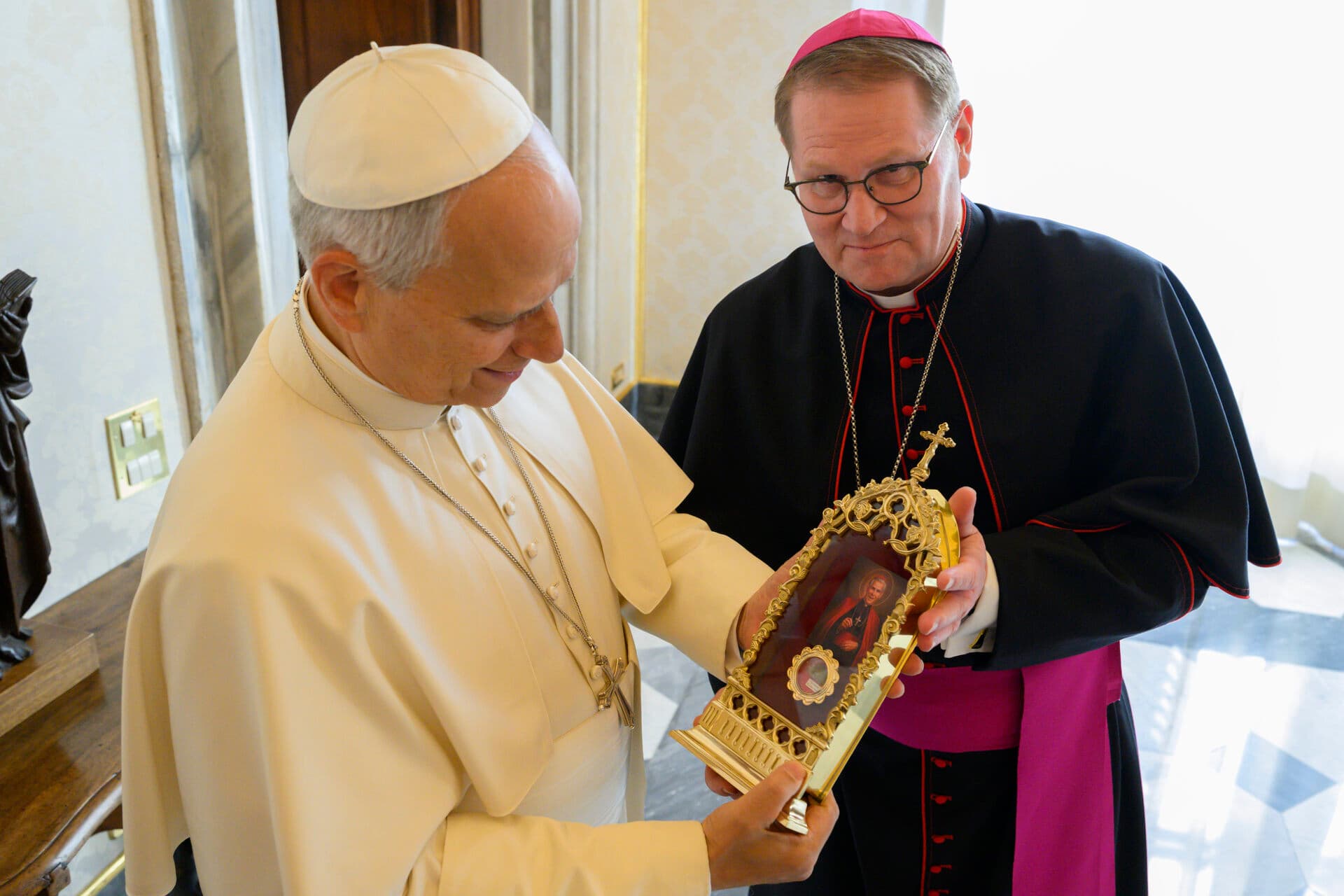
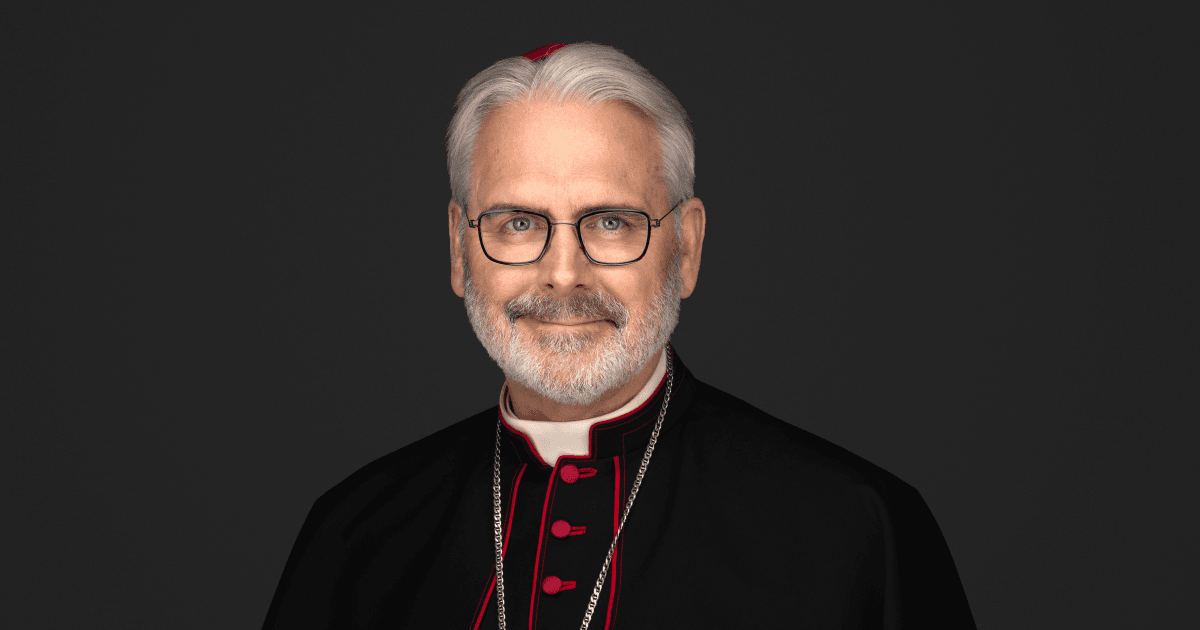
Bishop Nowakowski said that the atmosphere at the time was “difficult to describe to someone who did not live through them”, stating that there was a sense of possibility that had seemed unimaginable only a short time before”. In particular, he noted the Ukrainian Greek Catholic Church, which had survived decades of persecution by the Soviet government, but had “emerged from its clandestine life and began once again to worship openly and serve its people”.

“Churches were reopened, communities were rebuilt, and a new generation could grow up knowing that their faith no longer had to be hidden,” he said. “At the same time, democratic institutions and civil society began to develop, and Ukraine increasingly looked towards Europe and the wider democratic world. There was a genuine hope that freedom, democracy and closer ties with the West would create a peaceful and prosperous future.”

He said that, since independence, the “resilience of the Ukrainian people has repeatedly shone through”, such as during the Orange Revolution from 2004 to 2005 and the Revolution of Dignity from 2013 to 2014.

“Ukraine’s young people demonstrated remarkable courage and determination, insisting that their country’s future should be decided by its people and that Ukraine belonged within a Europe founded on freedom, dignity and human rights. There was once again a sense of hope that a peaceful and prosperous future was within reach,” he said.

“That hope was brutally challenged by Russia’s illegal annexation of Crimea and its aggression in the Donbas, and ultimately by the full-scale Russian invasion of Ukraine on 24 February 2022.”

That hope was brutally challenged by Russia’s illegal annexation of Crimea and its aggression in the Donbas, and ultimately by the full-scale Russian invasion of Ukraine on February 24, 2022.

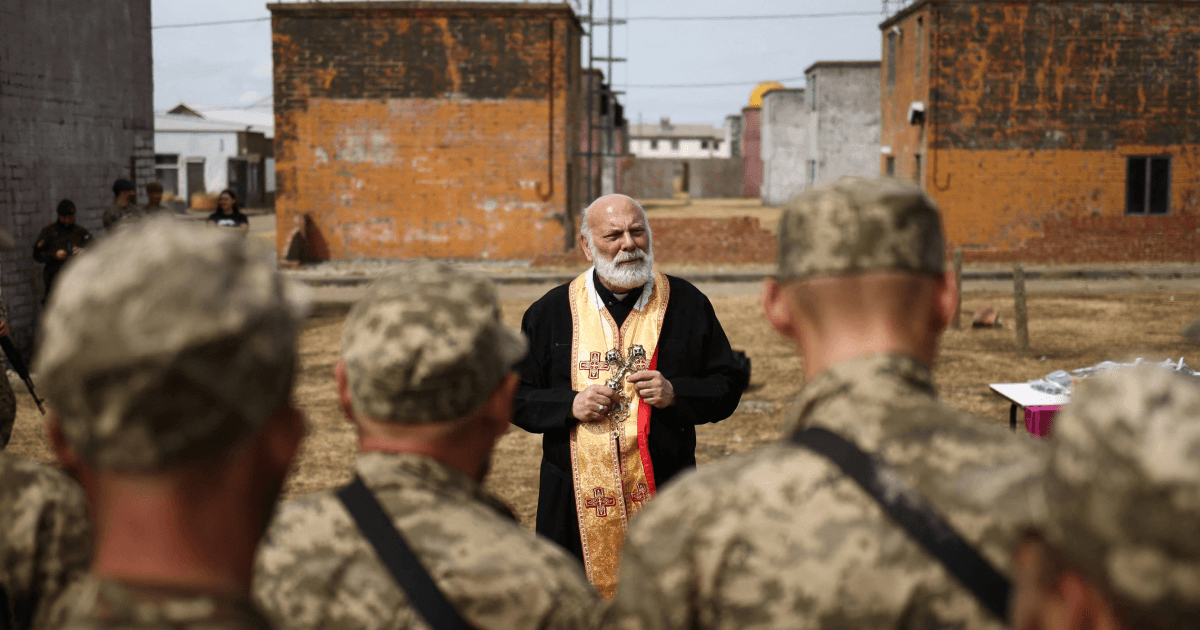
The bishop noted that despite the immense scale of the destruction and loss of life that has occurred since the outbreak of the war, “Ukraine continues to resist”. “They have defended not only their land, but also their freedom, their dignity and their right to decide their own future. Their struggle has come at an immense human cost, and we must never forget the sacrifices that have been made.”

He also expressed his gratitude to the organisations and individuals across Western Europe who had supported Ukraine during the war. In particular, he gave thanks “for the extraordinary welcome and support offered by the United Kingdom”.

“Many British people who had never before known a Ukrainian personally welcomed strangers into their homes, helped children settle into schools, supported families through difficult months and years, and stood alongside Ukraine in its darkest hour,” he said. “We are deeply grateful to all who have travelled to Ukraine, bringing humanitarian assistance, pastoral care, medical aid and solidarity, and to all who have supported the Ukrainian people in their greatest time of need.”

He stated that though Ukrainians mark the 35th anniversary “with sadness for all that has been lost,” they also do so with hope.

“Christian hope is not the belief that difficulties will simply disappear; it is the trust that evil and injustice will not have the final word. We continue to pray that this unjust and unprovoked war will come to an end and that Ukraine will know a peace founded on truth, justice, security and respect for its sovereignty and territorial integrity,” he said.

The anniversary comes as Secretary for Relations with States Archbishop Paul Richard Gallagher arrived in Moscow for a diplomatic visit as part of the Holy See’s ongoing efforts towards peace between Russia and Ukraine.

On August 25, Archbishop Gallagher will meet with Russian Foreign Minister Sergey Lavrov. The two spoke by telephone in April 2025 to review “the situation of the war in Ukraine and some initiatives aimed at stopping the military actions”, and it is expected that this visit will follow similar lines of discussion.

Archbishop Gallagher told Vatican News following his diplomatic visit to Ukraine last month that the “exhaustion caused by this violence is clearly visible. At the same time, however, one encounters a determined and resilient people, fully aware of the many sacrifices made by their fellow citizens for the sake of their country.”

He reflected: “Faith has sustained these people. They are convinced – and they say so openly – that they are fighting not only for Ukraine but for all of Europe. I believe they feel they have no alternative. For them, this is a struggle for the very survival of their nation.”

Continue reading with a free account

Create a free account to read up to five articles each month
Create free account

You have # free articles remaining this month.

Subscribe to get unlimited access.
Sign up

subscribe to the catholic herald today

Our best content is exclusively available to our subscribers. Subscribe today and gain instant access to expert analysis, in-depth articles, and thought-provoking insights—anytime, anywhere. Don’t miss out on the conversations that matter most.
Subscribe