March 11, 2026

Bishop Philip Egan gives his verdict on whether SSPX Mass fulfils Sunday obligation

Niwa Limbu
More
Related
Min read
share

Bishop Philip Egan, Bishop of the Diocese of Portsmouth, has warned that Catholics cannot ordinarily fulfil their Sunday obligation by attending Mass celebrated by priests of the SSPX, appearing to pre-empt a possible schism on July 1.

In comments given to the Catholic Herald, Bishop Egan first addressed the broader question of the Society’s relationship with the Church: “Schism is a great sadness for the Church,” he said. “Recent popes have gone a long way to reach out to members of the Society of St Pius X. Let us pray for an outpouring of the Holy Spirit that the bonds of communion might be healed, strengthened and restored.”

When asked whether attending a Holy Mass celebrated by a priest of the Society fulfils the obligation to attend Mass on Sundays and holy days of obligation, Bishop Egan gave a clear explanation grounded in canon law.

“As the Society of St Pius X is in an irregular or impaired situation with the Roman Catholic Church at the moment, its priests do not have the explicit faculties from the Ordinary to celebrate the Mass,” he said.

He added: “Canon 1248 §1 speaks of fulfilling one’s obligation if a person ‘attends Mass in a Catholic Rite’, which implies in communion with the Catholic Church. There are numerous Catholic Masses available to fulfil one’s obligation.”

The bishop’s clarification comes as a surprise as the Diocese of Portsmouth had previously taken steps that appeared to signal a willingness to maintain cordial relations with the Society.

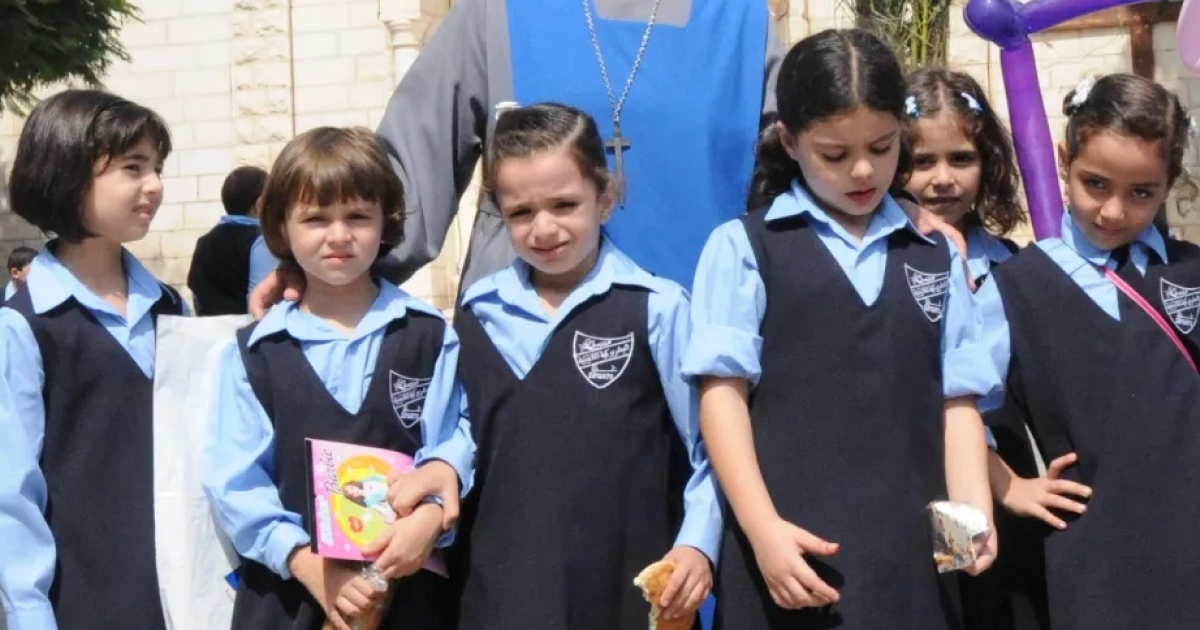
In 2019 Bishop Egan visited St Michael’s School in Burghclere, an institution run by the Society within the boundaries of the diocese. The visit was widely interpreted at the time as a gesture of goodwill.

The diocese has also confirmed that the bishop has taken other steps intended to maintain dialogue. “The Bishop did send the Society of St Pius X in the Diocese of Portsmouth oils from the Chrism Mass as a gesture of goodwill in order to build closer bonds of communion.”

That ambiguity surrounding the Society has produced years of debate within the Church about the precise obligations of Catholics who attend Mass at its chapels, and there has never been a single universally applied interpretation from Rome. While Bishop Egan has now suggested that attendance at an SSPX chapel would not ordinarily fulfil the Sunday obligation, various responses issued over the years by Vatican officials indicate that the matter has been understood differently within the Holy See itself.

One of the earliest responses came in 1984 when a Catholic laywoman wrote to Cardinal Silvio Oddi asking whether she fulfilled her Sunday obligation by attending Mass at a chapel served by priests of the Society.

In his reply dated March 17, 1984, Cardinal Oddi wrote: “According to the new Code of Canon Law, ‘The obligation of assisting at Mass is satisfied wherever Mass is celebrated in a Catholic rite either on the day of obligation itself or in the evening of the previous day.’”

The question resurfaced again after the events of 1988, when Archbishop Marcel Lefebvre consecrated four bishops without papal approval. Following that crisis the Vatican established the Pontifical Commission Ecclesia Dei to deal with questions related to traditionalist groups and the Society.

One of the first statements came on October 27, 1988, when Monsignor Camille Perl, then Secretary of the commission, issued a response to statements reportedly made by some Australian members of the SSPX: “While the priests of the Society of St Pius X are validly ordained, they are also suspended a divinis, that is, they are forbidden by the Church from celebrating the Mass and the sacraments because of their illicit ordination to the diaconate and the priesthood without proper incardination.”

Since 1988, correspondence issued by officials of that commission addressed the Sunday obligation in several letters over the following decades.

By September 29, 1995, in Protocol N 117/95, an inquiry addressed to Cardinal Ratzinger, then Prefect of the Congregation for the Doctrine of the Faith, was forwarded to Monsignor Perl, who wrote in response: “The Masses they [SSPX priests] celebrate are also valid, but it is considered morally illicit for the faithful to participate in these Masses unless they are physically or morally impeded from participating in a Mass celebrated by a Catholic priest in good standing… The fact of not being able to assist at the celebration of the so-called ‘Tridentine’ Mass is not considered a sufficient motive for attending such Masses.”

By 1996 the situation had begun to change after Cardinal Darío Castrillón Hoyos was appointed Prefect of the Congregation for the Clergy and soon thereafter named President of the Pontifical Commission Ecclesia Dei. Cardinal Castrillón Hoyos stated publicly that the SSPX was not in formal schism, which altered the situation regarding the Sunday obligation.

In a letter dated May 28, 1996, Monsignor Camille Perl wrote in response to an inquiry: “In the strict sense you may fulfil your Sunday obligation by attending a Mass celebrated by a priest of the Society of Saint Pius X. If your intention is simply to participate in a Mass according to the 1962 Missal for the sake of devotion, this would not be a sin.”

That position was repeated in later correspondence issued by the commission.

In a letter dated September 28, 1999, Monsignor Perl again addressed the situation of Catholics attending chapels served by the Society. “The situation of the faithful attending chapels of the Society of St Pius X is more complicated,” he wrote. “They may attend Mass there primarily because of an attraction to the earlier form of the Roman Rite, in which case they incur no penalty.”

The same explanation appeared again in a clarification issued on January 18, 2003. Responding to questions that had arisen about an earlier letter, Monsignor Perl restated the commission’s position in identical language: “In the strict sense you may fulfil your Sunday obligation by attending a Mass celebrated by a priest of the Society of St Pius X.”

He repeated the same distinction concerning intention: “If your intention is simply to participate in a Mass according to the 1962 Missal for the sake of devotion, this would not be a sin.”

The point was reiterated again several years later in response to questions sent by the American journalist Brian Mershon.

In a letter dated May 23, 2008, the Pontifical Commission Ecclesia Dei wrote: “Catholics who frequent the chapels of the Society of St Pius X do not incur any sin or canonical delict by doing so.” The commission added that its responses were intended to reflect the canonical practice of the Church and could be followed “with moral certainty”. At the same time, the Vatican often emphasised that attendance at such chapels was not encouraged when ordinary parish Masses were available.

Overall, according to Catholic Family News, over a 24-year period several responses indicated that Catholics could fulfil their Sunday obligation by attending Masses offered by priests of the SSPX, including statements issued in 1984, 1996, 1998, 1999, 2002, 2003 and 2008. However, at the same time only two letters from the Pontifical Commission Ecclesia Dei stated that the Sunday obligation would not be fulfilled at an SSPX chapel.
Bishop Philip Egan, Bishop of the Diocese of Portsmouth, has warned that Catholics cannot ordinarily fulfil their Sunday obligation by attending Mass celebrated by priests of the SSPX, appearing to pre-empt a possible schism on July 1.

In comments given to the Catholic Herald, Bishop Egan first addressed the broader question of the Society’s relationship with the Church: “Schism is a great sadness for the Church,” he said. “Recent popes have gone a long way to reach out to members of the Society of St Pius X. Let us pray for an outpouring of the Holy Spirit that the bonds of communion might be healed, strengthened and restored.”

When asked whether attending a Holy Mass celebrated by a priest of the Society fulfils the obligation to attend Mass on Sundays and holy days of obligation, Bishop Egan gave a clear explanation grounded in canon law.

“As the Society of St Pius X is in an irregular or impaired situation with the Roman Catholic Church at the moment, its priests do not have the explicit faculties from the Ordinary to celebrate the Mass,” he said.

He added: “Canon 1248 §1 speaks of fulfilling one’s obligation if a person ‘attends Mass in a Catholic Rite’, which implies in communion with the Catholic Church. There are numerous Catholic Masses available to fulfil one’s obligation.”

The bishop’s clarification comes as a surprise as the Diocese of Portsmouth had previously taken steps that appeared to signal a willingness to maintain cordial relations with the Society.

In 2019 Bishop Egan visited St Michael’s School in Burghclere, an institution run by the Society within the boundaries of the diocese. The visit was widely interpreted at the time as a gesture of goodwill.

The diocese has also confirmed that the bishop has taken other steps intended to maintain dialogue. “The Bishop did send the Society of St Pius X in the Diocese of Portsmouth oils from the Chrism Mass as a gesture of goodwill in order to build closer bonds of communion.”

That ambiguity surrounding the Society has produced years of debate within the Church about the precise obligations of Catholics who attend Mass at its chapels, and there has never been a single universally applied interpretation from Rome. While Bishop Egan has now suggested that attendance at an SSPX chapel would not ordinarily fulfil the Sunday obligation, various responses issued over the years by Vatican officials indicate that the matter has been understood differently within the Holy See itself.

One of the earliest responses came in 1984 when a Catholic laywoman wrote to Cardinal Silvio Oddi asking whether she fulfilled her Sunday obligation by attending Mass at a chapel served by priests of the Society.

In his reply dated March 17, 1984, Cardinal Oddi wrote: “According to the new Code of Canon Law, ‘The obligation of assisting at Mass is satisfied wherever Mass is celebrated in a Catholic rite either on the day of obligation itself or in the evening of the previous day.’”

The question resurfaced again after the events of 1988, when Archbishop Marcel Lefebvre consecrated four bishops without papal approval. Following that crisis the Vatican established the Pontifical Commission Ecclesia Dei to deal with questions related to traditionalist groups and the Society.

One of the first statements came on October 27, 1988, when Monsignor Camille Perl, then Secretary of the commission, issued a response to statements reportedly made by some Australian members of the SSPX: “While the priests of the Society of St Pius X are validly ordained, they are also suspended a divinis, that is, they are forbidden by the Church from celebrating the Mass and the sacraments because of their illicit ordination to the diaconate and the priesthood without proper incardination.”

Since 1988, correspondence issued by officials of that commission addressed the Sunday obligation in several letters over the following decades.

By September 29, 1995, in Protocol N 117/95, an inquiry addressed to Cardinal Ratzinger, then Prefect of the Congregation for the Doctrine of the Faith, was forwarded to Monsignor Perl, who wrote in response: “The Masses they [SSPX priests] celebrate are also valid, but it is considered morally illicit for the faithful to participate in these Masses unless they are physically or morally impeded from participating in a Mass celebrated by a Catholic priest in good standing… The fact of not being able to assist at the celebration of the so-called ‘Tridentine’ Mass is not considered a sufficient motive for attending such Masses.”

By 1996 the situation had begun to change after Cardinal Darío Castrillón Hoyos was appointed Prefect of the Congregation for the Clergy and soon thereafter named President of the Pontifical Commission Ecclesia Dei. Cardinal Castrillón Hoyos stated publicly that the SSPX was not in formal schism, which altered the situation regarding the Sunday obligation.

In a letter dated May 28, 1996, Monsignor Camille Perl wrote in response to an inquiry: “In the strict sense you may fulfil your Sunday obligation by attending a Mass celebrated by a priest of the Society of Saint Pius X. If your intention is simply to participate in a Mass according to the 1962 Missal for the sake of devotion, this would not be a sin.”

That position was repeated in later correspondence issued by the commission.

In a letter dated September 28, 1999, Monsignor Perl again addressed the situation of Catholics attending chapels served by the Society. “The situation of the faithful attending chapels of the Society of St Pius X is more complicated,” he wrote. “They may attend Mass there primarily because of an attraction to the earlier form of the Roman Rite, in which case they incur no penalty.”

The same explanation appeared again in a clarification issued on January 18, 2003. Responding to questions that had arisen about an earlier letter, Monsignor Perl restated the commission’s position in identical language: “In the strict sense you may fulfil your Sunday obligation by attending a Mass celebrated by a priest of the Society of St Pius X.”

He repeated the same distinction concerning intention: “If your intention is simply to participate in a Mass according to the 1962 Missal for the sake of devotion, this would not be a sin.”

The point was reiterated again several years later in response to questions sent by the American journalist Brian Mershon.

In a letter dated May 23, 2008, the Pontifical Commission Ecclesia Dei wrote: “Catholics who frequent the chapels of the Society of St Pius X do not incur any sin or canonical delict by doing so.” The commission added that its responses were intended to reflect the canonical practice of the Church and could be followed “with moral certainty”. At the same time, the Vatican often emphasised that attendance at such chapels was not encouraged when ordinary parish Masses were available.

Overall, according to Catholic Family News, over a 24-year period several responses indicated that Catholics could fulfil their Sunday obligation by attending Masses offered by priests of the SSPX, including statements issued in 1984, 1996, 1998, 1999, 2002, 2003 and 2008. However, at the same time only two letters from the Pontifical Commission Ecclesia Dei stated that the Sunday obligation would not be fulfilled at an SSPX chapel.
subscribe to
the catholic herald

Continue reading your article with a subscription.
Read 5 articles with our free plan.
Subscribe

subscribe to the catholic herald today

Our best content is exclusively available to our subscribers. Subscribe today and gain instant access to expert analysis, in-depth articles, and thought-provoking insights—anytime, anywhere. Don’t miss out on the conversations that matter most.
Subscribe