

August 24, 2026

Bishops reaffirm opposition to assisted suicide bill ahead of vote

Corrie Douglas-Young
More
Related
Min read
share

Bishops across Britain have reaffirmed their opposition to assisted suicide as the September 11 second reading and vote on a bill to introduce the practice approaches. Bishop James Curry, Auxiliary Bishop of Westminster, echoed Prime Minister Andy Burnham in calling for strengthening palliative care as the alternative to assisted suicide.

“The hospice movement, which the Catholic Church has always supported, ensures that if someone is in pain or is suffering, they are cared for while they are dying,” Bishop Curry said. “There’s a difference between taking someone’s life – which can surely never be right – and caring for someone while they’re dying.”
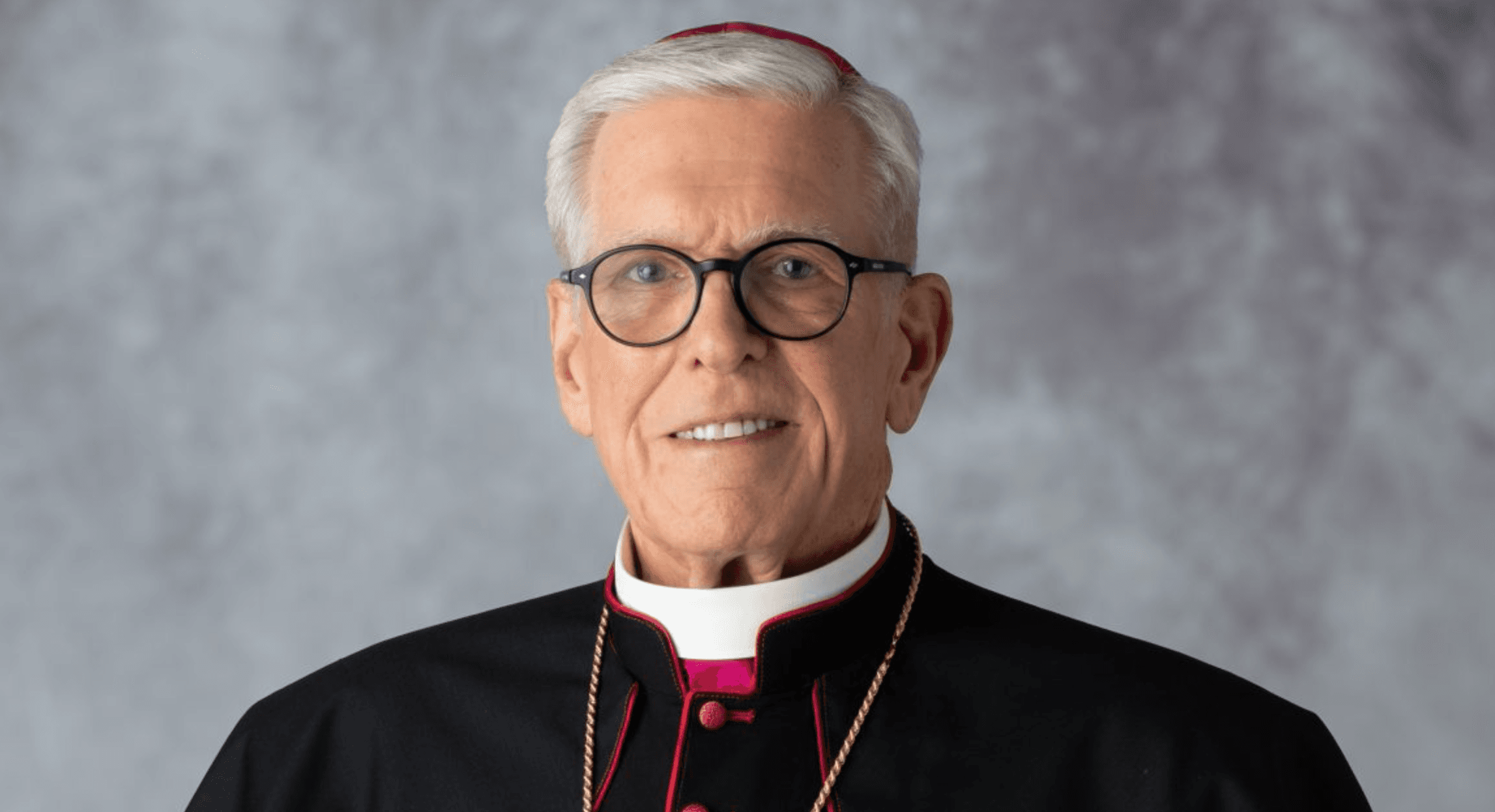

The bishop raised concerns that vulnerable people would, if assisted suicide was introduced, “feel that they’d be better off if the world was without them” and be driven to end their lives. “Surely this isn’t the way we want to care for people,” he said.

“We want to have a society that assumes that we care for people and accompany them rather than treat them as a burden. Nobody wants to see a person suffer, but surely with the advances in medical care, we can allow someone to die with dignity – being accompanied, without pain. The Church has never said that we have to go to extraordinary means to keep someone alive.”

“If people are dying, they should be allowed to die naturally in a dignified way, not having to make a choice about living or dying,” he said. “When does the right to die become the duty to die? If we start down this road, we are beginning to create a society that assumes that care is not the primary function of our health service.”

The Terminally Ill Adults (End of Life) Bill, introduced by the MP for Rochester and Strood, Lauren Edwards, would permit eligible terminally ill adults in England and Wales to receive assistance to end their lives.

A near-identical Bill had been defeated in the House of Lords in April, but under the Parliament Act its passing in the lower house could see it bypass an upper house rejection. A similar Bill was defeated in the Scottish Parliament last March.

Bishop Timothy Menezes, Auxiliary Bishop of Birmingham, joined Bishop Curry in voicing his concerns. He cited a recent interaction following Mass with a young man with disabilities who said the push towards the introduction of assisted suicide made him feel “very vulnerable”, and that it seemed as though his life was of less value than others.

Bishop Menezes said: “What really struck me about the sadness of a young person saying this is that perhaps we think of assisted dying as to do with elderly people, but it’s not just that. People are already making quality judgments about a potential disability of an unborn child.

“Human life should be valued at all stages, from conception to natural death. Assisted suicide poses a direct threat to the dignity of life and risks placing vulnerable people under pressure to end their life prematurely."

Both Bishop Curry and Bishop Menezes urged the faithful to contact their local MPs to raise their concerns about the legislation and advocate against it. In Scotland, Bishop John Keenan of Paisley issued a pastoral letter urging Catholics to contact their MPs, calling it a “grave moment for the protection of human life”. He stressed that, though the legislation would only apply to England and Wales, it “remains an important moment for Catholics in Scotland” and that the outcome in Westminster may have consequences in the Scottish Parliament.

“Our opposition to assisted suicide is rooted in compassion. Every person, from conception until natural death, possesses an inviolable dignity as one made in the image and likeness of God,” Bishop Keenan said, speaking as president of the Bishops’ Conference of Scotland. “Illness, frailty, disability, dependence or fear must never lead society to conclude that some lives are no longer worth living.”

Echoing the position of the Bishops’ Conference of England, he called for greater investment in palliative and hospice care, insisting that “the proper response to suffering is care, presence, skilled palliative medicine and practical support – not the deliberate ending of life.”

Continue reading with a free account

Create a free account to read up to five articles each month
Create free account

You have # free articles remaining this month.

Subscribe to get unlimited access.
Sign up

subscribe to the catholic herald today

Our best content is exclusively available to our subscribers. Subscribe today and gain instant access to expert analysis, in-depth articles, and thought-provoking insights—anytime, anywhere. Don’t miss out on the conversations that matter most.
Subscribe