




Its politics used to be defined by the Cold War. Today, the landscape is one of religious divisions and resurgent populism
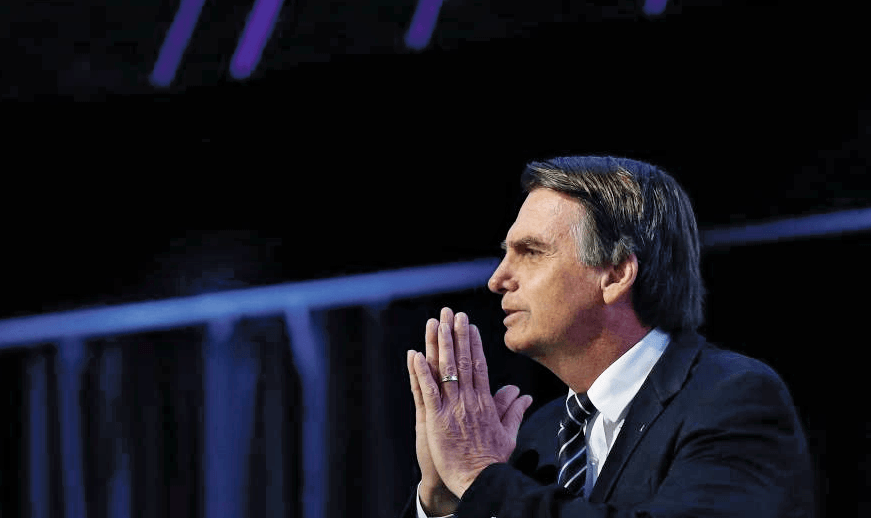
Brazil’s economic crisis has polarised the world’s largest Catholic country between right and left. In this year’s general election, more than half of sitting members of Congress lost their seats, while far-right provocateur Jair Bolsonaro had a strong lead in the presidential race and is almost certain to be elected in the second round on October 28.
There had already been signs that the “pink tide” of populist left-wing governments in Latin America was being reversed, with conservatives returning to power in Argentina and Chile, while Venezuela’s socialist experiment is in meltdown. But Bolsonaro is far from being a sober conservative. A former army officer and long-serving congressman, he has drawn attention abroad for his opposition to feminism and gay rights – but this is only part of a long history of provocations, which include him saying that the problem with Brazil’s former military dictatorship is that it didn’t kill enough people.