

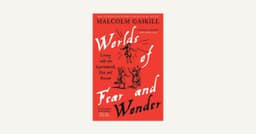
Agents of Empire by Noel Malcolm (Allen Lane, £30). This extraordinarily wide-ranging volume uses the forgotten tales of the Bruti and Bruni families to shed light on the complex relationship between Christian Europe and the Ottoman Empire during the early modern period. Members of these two families, from Venetian-held territories, served as secret agents, merchants, clerics and soldiers, so their careers reveal a great deal about the era’s major engines of encounter – warfare, trade, espionage and diplomacy. Malcolm manages to combine intimate biographical accounts with the broadest historical analysis and the results are wonderful. Reconceiving Infertility by Candida Moss and Joel Baden (Princeton, £25). This scholarly work explores the tension between the biblical injunction to “Be fruitful and multiply” and involuntary infertility. The authors challenge a narrow interpretation of this injunction, seeing childlessness as an alternative way of wholeness, a prefiguring of the eschaton. As they write, “In the end, and at the end, infertility is not a deficiency, punishment, or failure; it is a God-given state.” It is a thoughtful book that will give encouragement to those seeking a positive theology on infertility. Catholic Theology after Kierkegaard by Joshua Furnal (OUP, £65). Pinning down Kierkegaard’s religious beliefs, or where they might have ended up had Kierkegaard lived longer, is very tricky and may well be, as Joshua Furnal puts it, a “threadbare debate”. Tracing the impact of Kierkegaard’s thought on subsequent theology is no easier but it has proven a rich vein of philosophical enquiry in recent years. Though regarded by some as “an irrational Protestant irreconcilably at odds with Catholic thought”, Kierkegaard was important to a number of Catholic thinkers, including Henri de Lubac and Hans Urs von Balthasar, during the 20th century. I Am With You by Kathryn Greene-McCreight (Bloomsbury, £9.99). With an introduction by the Archbishop of Canterbury, who has chosen it as his Lent reading this year, this slim volume sets close readings from Scripture within a framework drawing on the seven monastic hours of prayer and the seven days of creation. This imaginative approach helps the reader to move from the “darkness” before creation into the amazing light of God’s presence. Each chapter ends with questions for further reflection, which anchor the scriptural passages in the reality of the reader’s own life. “Darkness,” we are reminded, “is not the final word.” The Gospel of New Life by Pope Francis (DLT, £7.99). This small book presents the core of Pope Francis’s teachings on the theme of God’s mercy, arranged and edited as a single book for the first time. Cardinal Vincent Nichols has written the foreword, suggesting to the reader that, read attentively, the Holy Father’s thoughts will challenge as well as console. Written in the Pope’s unique and vigorous tone, every page confronts the reader with Francis’s rhetorical questions, homely jokes and deeply serious pleas for us to live out our Christian faith in a more courageous and less defensive fashion.
12:00 PM
Briefly noted
Staff writers

3 min read



Already a subscriber? Sign in
5freearticles every month
Continue reading with a free account. No card needed.
- Five free articles every thirty days, on any device you sign in on
- The Catholic Herald newsletter, every morning
- Subscribe whenever you like for everything: every article and the magazine

subscribe to the catholic herald today
Our best content is exclusively available to our subscribers. Subscribe today and gain instant access to expert analysis, in-depth articles, and thought-provoking insights—anytime, anywhere. Don’t miss out on the conversations that matter most.
Subscribe



