
February 16, 2026

Cardinal Willem Eijk to celebrate his first Traditional Latin Mass in Oss, Netherlands

The Catholic Herald
More
Related
Min read
share

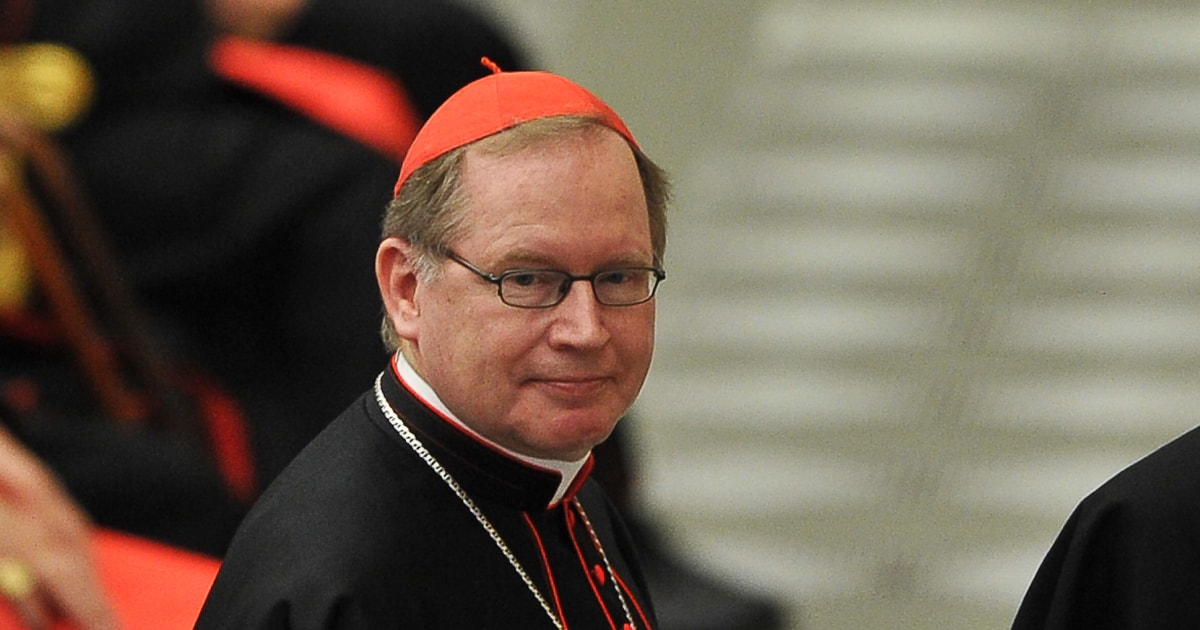
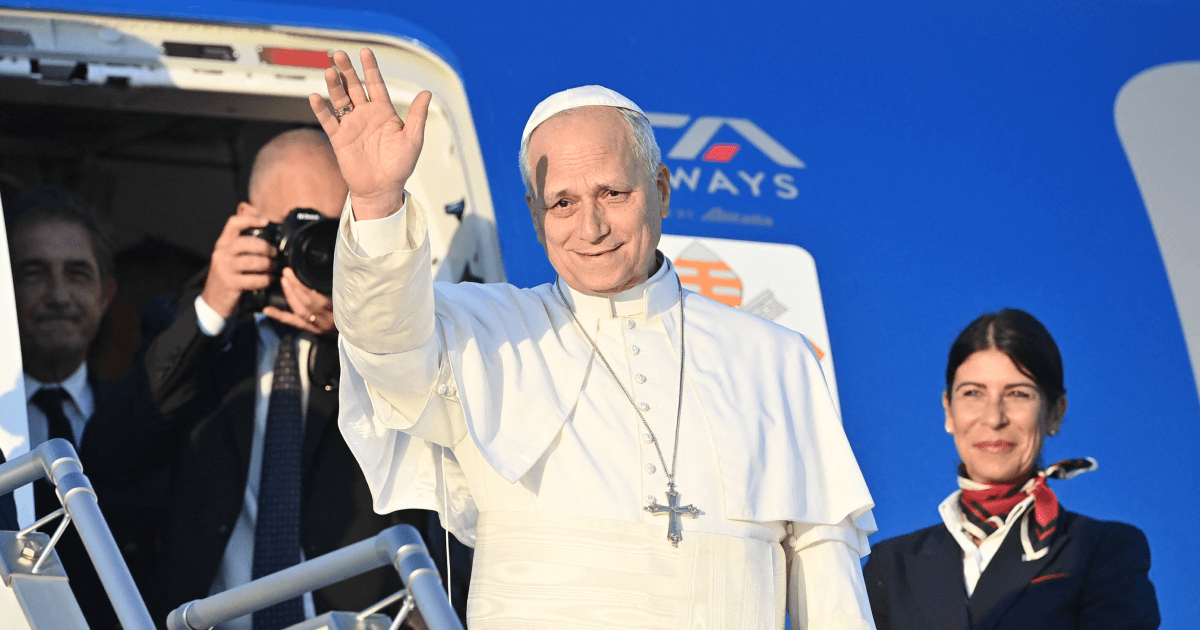
Dutch Cardinal Willem Eijk is to celebrate his first Traditional Latin Mass in Oss, Netherlands next month.

The Metropolitan Archbishop of Utrecht will preside at a solemn Pontifical Mass in the traditional form of the Roman Rite at the Church of Our Lady of the Immaculate Conception in Oss on Sunday, March 15, according to Radio Maria Netherlands. The Mass, which is scheduled to begin at 12.30pm, forms part of the regular Sunday provision of the older form of the Roman Rite at the parish.

Cardinal Willem Jacobus Eijk, 72, was created a cardinal by Pope Benedict XVI in 2012 and has served as Archbishop of Utrecht since 2007. The forthcoming celebration in Oss will be his first public Traditional Latin Mass in Oss, according to Diane Montagna.
The Church of Our Lady of the Immaculate Conception, known locally as the Grote Kerk, is the diocesan church in Oss where the Traditional Latin Mass is offered each Sunday.

Cardinal Eijk has previously spoken of the centrality of the Eucharist to Catholic life. In a pastoral reflection he wrote: “Through the sacrament of the Eucharist we are united with Jesus; thus, with God Himself and therefore with His infinite love.” On another occasion he underlined that the Eucharist is “the source and summit of the Christian life”, adding that if Catholics “realise that Christ Himself is present in the Host, you cannot help but worship Him”.

His liturgical practice has at times attracted attention in the Netherlands. Addressing criticism of celebrating Mass ad orientem, he said: “I do not celebrate Mass with my back to the people; I say it by turning my face towards Christ … together with the people, we are truly turned towards Christ.”

Born in Duivendrecht in 1953 to a Protestant father and a Catholic mother, Eijk initially trained and worked as a medical doctor. He completed his medical studies at the University of Amsterdam in 1978 before entering seminary. Ordained a priest in 1985, he later obtained doctorates in medicine and philosophy, specialising in moral theology and bioethics.

Before his appointment to Utrecht, he served as Bishop of Groningen-Leeuwarden from 1999. As archbishop, Cardinal Eijk has been widely regarded as one of the more doctrinally orthodox prelates in Europe. He has consistently defended the Church’s teaching on the sanctity of life, marriage and priestly celibacy, and has opposed the blessing of same-sex couples.

“In the 1950s, ninety per cent of Catholics still went to church every Sunday. Now, it’s only five per cent,” he observed in a radio interview, reflecting on the scale of religious decline in Dutch society.

The Netherlands was considered one of the most progressive Catholic countries in Europe in the years following the Second Vatican Council. The Dutch liturgical experiment of the late 1960s and early 1970s saw parts of the Church in the Netherlands introduce changes to Holy Mass beyond those envisaged by the Council, and the Nieuwe Katechismus (New Catechism), issued by the Dutch Bishops’ Conference in 1966, prompted intervention by Pope Paul VI and subsequent doctrinal clarifications.

Today, the older form of the Roman Rite remains relatively rare. The Latin Mass Directory lists only 12 venues where it is celebrated for the country’s 3.4 million Catholics. However, there are signs of a growing need for the Traditional Mass, with the Priestly Fraternity of Saint Peter starting an apostolate in the Archdiocese of Utrecht in November of last year. 

The decision of the country’s senior churchman to celebrate a Pontifical Mass in the older form of the Roman Rite is likely to be seen as a gesture of pastoral engagement. Cardinal Eijk’s episcopal motto, Noli recusare laborem, “Do not refuse the work”, reflects this approach, shaped by perseverance amid difficulty.

Dutch Cardinal Willem Eijk is to celebrate his first Traditional Latin Mass in Oss, Netherlands next month.

The Metropolitan Archbishop of Utrecht will preside at a solemn Pontifical Mass in the traditional form of the Roman Rite at the Church of Our Lady of the Immaculate Conception in Oss on Sunday, March 15, according to Radio Maria Netherlands. The Mass, which is scheduled to begin at 12.30pm, forms part of the regular Sunday provision of the older form of the Roman Rite at the parish.

Cardinal Willem Jacobus Eijk, 72, was created a cardinal by Pope Benedict XVI in 2012 and has served as Archbishop of Utrecht since 2007. The forthcoming celebration in Oss will be his first public Traditional Latin Mass in Oss, according to Diane Montagna.
The Church of Our Lady of the Immaculate Conception, known locally as the Grote Kerk, is the diocesan church in Oss where the Traditional Latin Mass is offered each Sunday.

Cardinal Eijk has previously spoken of the centrality of the Eucharist to Catholic life. In a pastoral reflection he wrote: “Through the sacrament of the Eucharist we are united with Jesus; thus, with God Himself and therefore with His infinite love.” On another occasion he underlined that the Eucharist is “the source and summit of the Christian life”, adding that if Catholics “realise that Christ Himself is present in the Host, you cannot help but worship Him”.

His liturgical practice has at times attracted attention in the Netherlands. Addressing criticism of celebrating Mass ad orientem, he said: “I do not celebrate Mass with my back to the people; I say it by turning my face towards Christ … together with the people, we are truly turned towards Christ.”

Born in Duivendrecht in 1953 to a Protestant father and a Catholic mother, Eijk initially trained and worked as a medical doctor. He completed his medical studies at the University of Amsterdam in 1978 before entering seminary. Ordained a priest in 1985, he later obtained doctorates in medicine and philosophy, specialising in moral theology and bioethics.

Before his appointment to Utrecht, he served as Bishop of Groningen-Leeuwarden from 1999. As archbishop, Cardinal Eijk has been widely regarded as one of the more doctrinally orthodox prelates in Europe. He has consistently defended the Church’s teaching on the sanctity of life, marriage and priestly celibacy, and has opposed the blessing of same-sex couples.

“In the 1950s, ninety per cent of Catholics still went to church every Sunday. Now, it’s only five per cent,” he observed in a radio interview, reflecting on the scale of religious decline in Dutch society.

The Netherlands was considered one of the most progressive Catholic countries in Europe in the years following the Second Vatican Council. The Dutch liturgical experiment of the late 1960s and early 1970s saw parts of the Church in the Netherlands introduce changes to Holy Mass beyond those envisaged by the Council, and the Nieuwe Katechismus (New Catechism), issued by the Dutch Bishops’ Conference in 1966, prompted intervention by Pope Paul VI and subsequent doctrinal clarifications.

Today, the older form of the Roman Rite remains relatively rare. The Latin Mass Directory lists only 12 venues where it is celebrated for the country’s 3.4 million Catholics. However, there are signs of a growing need for the Traditional Mass, with the Priestly Fraternity of Saint Peter starting an apostolate in the Archdiocese of Utrecht in November of last year. 

The decision of the country’s senior churchman to celebrate a Pontifical Mass in the older form of the Roman Rite is likely to be seen as a gesture of pastoral engagement. Cardinal Eijk’s episcopal motto, Noli recusare laborem, “Do not refuse the work”, reflects this approach, shaped by perseverance amid difficulty.

subscribe to
the catholic herald

Continue reading your article with a subscription.
Read 5 articles with our free plan.
Subscribe

subscribe to the catholic herald today

Our best content is exclusively available to our subscribers. Subscribe today and gain instant access to expert analysis, in-depth articles, and thought-provoking insights—anytime, anywhere. Don’t miss out on the conversations that matter most.
Subscribe