

February 12, 2026

Catholics should strive to imitate the bees of Notre-Dame

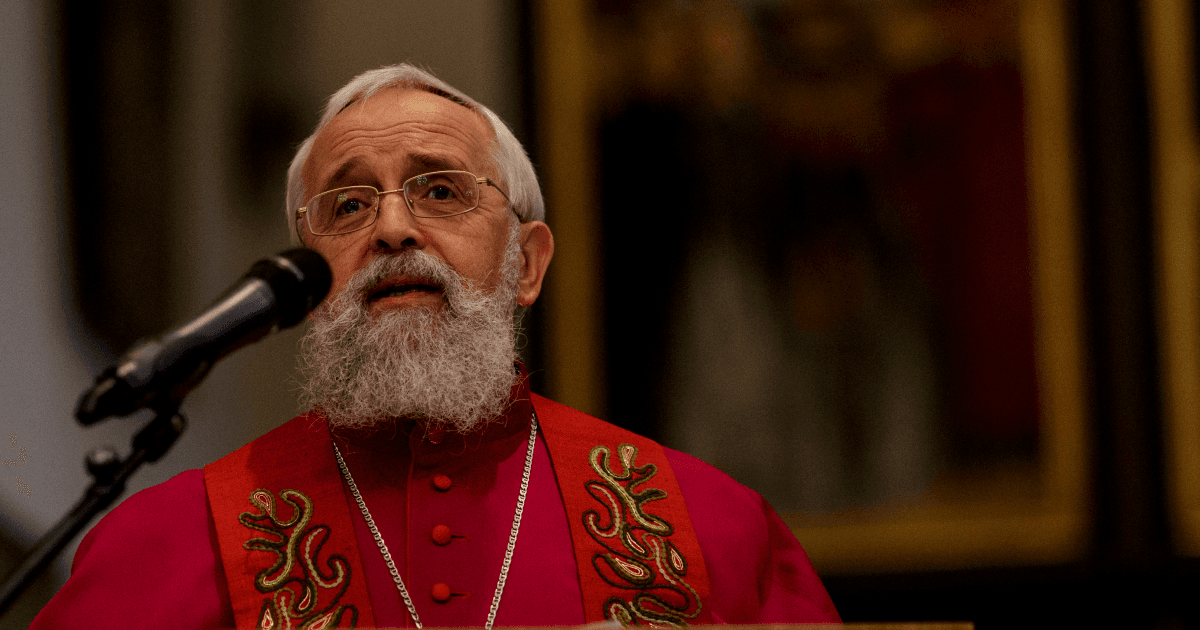
Fr John Zuhlsdorf
More
Related
Min read
share

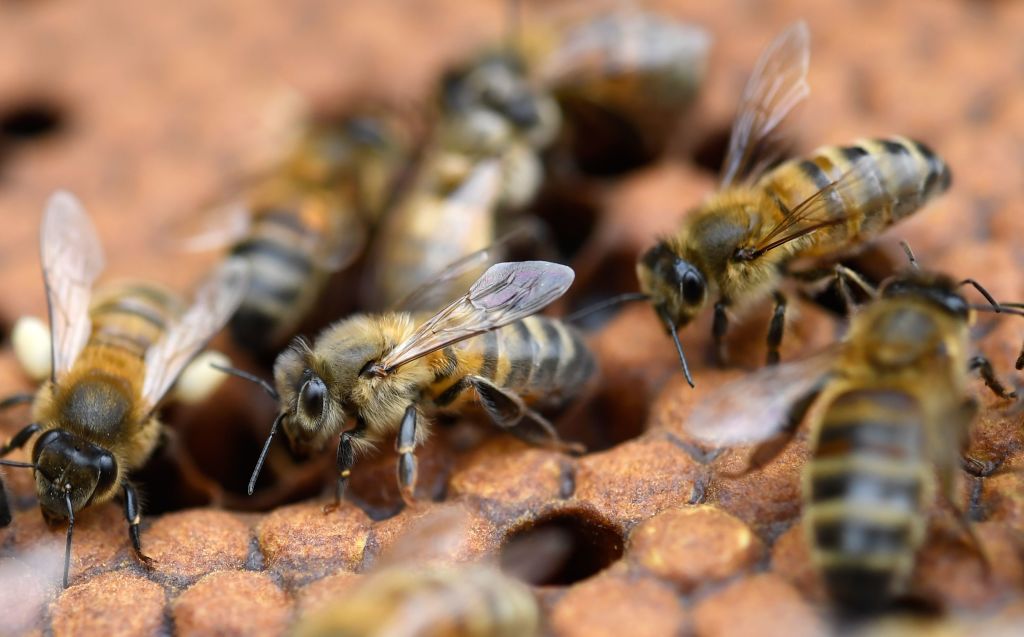
One blessing from the suppression of the old English translation of the Roman Missal and the introduction of the new, was the return of the bees to the Exsultet. The Exsultet, since the 9th century sung during the Easter Vigil, is a poem packed with images, including of bees. Elements of the text go back to St Ambrose of Milan (d 397). Did Ambrose contribute the bee imagery? When he was a baby, the legend goes, bees flew in and out of his mouth, presaging his future eloquence. The bees still buzzed in the Latin Exsultet text, but the coarse sensibilities of the 60s and 70s eliminated them in English. Having mainly recovered from that madness, the 2011 English version properly restored them.

Bees, which provide the wax for the Paschal candle, are symbols of purity and industry. In 1948 Pius XII gave a lovely address to beekeepers. He spoke about the lessons their little bewinged charges give to mankind, including conscientious attention to their appointed vocations in their community. “Working like bees with order and peace, men would learn to enjoy and have others enjoy the fruit of their labours, the honey and the wax, the sweetness and the light in this life here below.”

The bee was thought in ancient times to reproduce parthenogenetically, without sexual congress. Hence, the bee’s virginity made it a symbol of the Blessed Virgin.

Speaking of Our Lady, three apiaries, home to some 180,000 bees, were founded on the roof of the sacristy of Notre-Dame, the Blessed Virgin’s jewel in Paris. The world’s bee population is both critically important for global plant life and our human wellbeing. Alas, the bee population is declining. Therefore, there is a push to establish apiaries for colonies of bees even atop famous buildings.

It was feared that the bees had perished by the heat of the fire that ravaged Notre-Dame’s roof and, providentially, crashed rubble down upon the free-standing modernist altar in the nave. Satellite images showed that the apiaries survived and bees have again been buzzing. In one photo, some of them are hunkered down in the crevice of a gargoyle. In moments of danger, bees gorge on honey and surround their queen to protect her.

Pius XII was right to praise busy, selfless bees. Bees are good examples to us, who have vocations in the world and in the Church, which needs our industrious protection.

Visit fatherzonline.com

One blessing from the suppression of the old English translation of the Roman Missal and the introduction of the new, was the return of the bees to the Exsultet. The Exsultet, since the 9th century sung during the Easter Vigil, is a poem packed with images, including of bees. Elements of the text go back to St Ambrose of Milan (d 397). Did Ambrose contribute the bee imagery? When he was a baby, the legend goes, bees flew in and out of his mouth, presaging his future eloquence. The bees still buzzed in the Latin Exsultet text, but the coarse sensibilities of the 60s and 70s eliminated them in English. Having mainly recovered from that madness, the 2011 English version properly restored them.

Bees, which provide the wax for the Paschal candle, are symbols of purity and industry. In 1948 Pius XII gave a lovely address to beekeepers. He spoke about the lessons their little bewinged charges give to mankind, including conscientious attention to their appointed vocations in their community. “Working like bees with order and peace, men would learn to enjoy and have others enjoy the fruit of their labours, the honey and the wax, the sweetness and the light in this life here below.”

The bee was thought in ancient times to reproduce parthenogenetically, without sexual congress. Hence, the bee’s virginity made it a symbol of the Blessed Virgin.

Speaking of Our Lady, three apiaries, home to some 180,000 bees, were founded on the roof of the sacristy of Notre-Dame, the Blessed Virgin’s jewel in Paris. The world’s bee population is both critically important for global plant life and our human wellbeing. Alas, the bee population is declining. Therefore, there is a push to establish apiaries for colonies of bees even atop famous buildings.

It was feared that the bees had perished by the heat of the fire that ravaged Notre-Dame’s roof and, providentially, crashed rubble down upon the free-standing modernist altar in the nave. Satellite images showed that the apiaries survived and bees have again been buzzing. In one photo, some of them are hunkered down in the crevice of a gargoyle. In moments of danger, bees gorge on honey and surround their queen to protect her.

Pius XII was right to praise busy, selfless bees. Bees are good examples to us, who have vocations in the world and in the Church, which needs our industrious protection.

Visit fatherzonline.com

subscribe to
the catholic herald

Continue reading your article with a subscription.
Read 5 articles with our free plan.
Subscribe

subscribe to the catholic herald today

Our best content is exclusively available to our subscribers. Subscribe today and gain instant access to expert analysis, in-depth articles, and thought-provoking insights—anytime, anywhere. Don’t miss out on the conversations that matter most.
Subscribe