February 12, 2026

Central African Republic: An eye for an eye

Jonathan Luxmoore
More
Related
Min read
share

As a spirit of revenge spreads, the bishops renew their call for peace

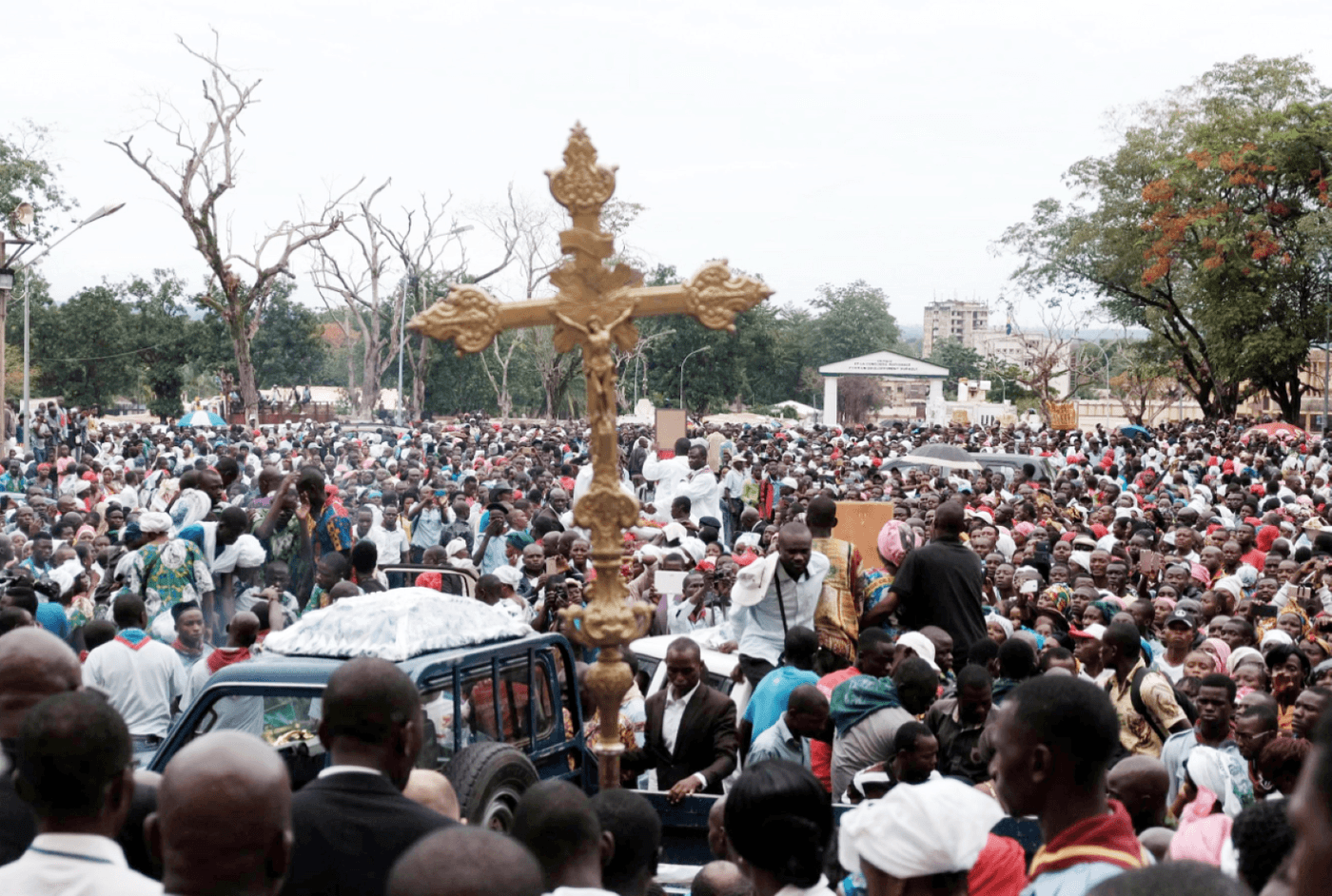
When a senior priest was shot dead in the Central African Republic, the act was bitterly condemned by the country’s bishops. But they were no less adamant in deploring calls for Christians to rise up and take revenge against Muslims.

“Such projects are contrary to the Gospel and our Church’s aspirations,” the bishops’ conference declared. “All Central Africans should be vigilant. Enemies of peace here wish to create conflict between Christians and Muslims, so as to conclude they can no longer live together.”
The killing of Mgr Firmin Gbagoua, vicar general of Bambari diocese, was only the latest attack on Catholic clergy and parishes in the Republic, which has been wracked by militia fighting between remnants of Seleka, a Muslim-dominated rebel force which briefly seized power in 2013, and a counter-movement, the Anti-Balaka.

Bishop Nestor Nongo-Aziagbia of Bossangoa praised Mgr Gbagoua as “a person searching for dialogue among communities” and blamed the murder on those opposed to his peacemaking efforts. And when a self-styled “League for Defence of the Church” reacted by accusing Church and government leaders of “immobility” against the violence, the bishops rejected its calls for counter-attacks on Muslims as “hate propaganda”.

The Church’s quest for peace and reconciliation in one of Africa’s poorest countries looks increasingly difficult. Violence over the past year has turned once-safe areas into war zones and left more than half the population of 4.5 million needing aid.

A 13,400-strong Multidimensional Integrated Stabilisation Mission (Minusca), deployed by the United Nations since 2014, has been asked to restore order. But Minusca’s troops have themselves faced accusations of misconduct, leading some countries to withdraw their contingents.

Last January, the bishops’ conference said peace was hampered by a lack of co-operation between Minusca and forces loyal to the government. But in May, the country’s most senior churchman, Cardinal Dieudonné Nzapalainga, went further, accusing UN troops of supplying rebel groups with “arms and ammunition”, and plotting with them to inflame Christian-Muslim hostility.

A memorandum by the country’s Platform of Religious Confessions, which represents Christians and Muslims, said the crisis had originated in “bad governance, corruption and clientelism”, as well as in “poverty and the poor wealth distribution”. However, it added that “certain neighbouring and foreign states” were also “playing out hidden agendas”, aimed at occupying the country and controlling its natural resources, by “creating conditions for a bloody popular revolt between communities”.

Against such odds, some observers think the Republic’s best hope now rests with people like Cardinal Nzapalainga – and believe that Catholic clergy are being targeted precisely because the Church is so persistent in appealing for peace.

As a spirit of revenge spreads, the bishops renew their call for peace

When a senior priest was shot dead in the Central African Republic, the act was bitterly condemned by the country’s bishops. But they were no less adamant in deploring calls for Christians to rise up and take revenge against Muslims.

“Such projects are contrary to the Gospel and our Church’s aspirations,” the bishops’ conference declared. “All Central Africans should be vigilant. Enemies of peace here wish to create conflict between Christians and Muslims, so as to conclude they can no longer live together.”
The killing of Mgr Firmin Gbagoua, vicar general of Bambari diocese, was only the latest attack on Catholic clergy and parishes in the Republic, which has been wracked by militia fighting between remnants of Seleka, a Muslim-dominated rebel force which briefly seized power in 2013, and a counter-movement, the Anti-Balaka.

Bishop Nestor Nongo-Aziagbia of Bossangoa praised Mgr Gbagoua as “a person searching for dialogue among communities” and blamed the murder on those opposed to his peacemaking efforts. And when a self-styled “League for Defence of the Church” reacted by accusing Church and government leaders of “immobility” against the violence, the bishops rejected its calls for counter-attacks on Muslims as “hate propaganda”.

The Church’s quest for peace and reconciliation in one of Africa’s poorest countries looks increasingly difficult. Violence over the past year has turned once-safe areas into war zones and left more than half the population of 4.5 million needing aid.

A 13,400-strong Multidimensional Integrated Stabilisation Mission (Minusca), deployed by the United Nations since 2014, has been asked to restore order. But Minusca’s troops have themselves faced accusations of misconduct, leading some countries to withdraw their contingents.

Last January, the bishops’ conference said peace was hampered by a lack of co-operation between Minusca and forces loyal to the government. But in May, the country’s most senior churchman, Cardinal Dieudonné Nzapalainga, went further, accusing UN troops of supplying rebel groups with “arms and ammunition”, and plotting with them to inflame Christian-Muslim hostility.

A memorandum by the country’s Platform of Religious Confessions, which represents Christians and Muslims, said the crisis had originated in “bad governance, corruption and clientelism”, as well as in “poverty and the poor wealth distribution”. However, it added that “certain neighbouring and foreign states” were also “playing out hidden agendas”, aimed at occupying the country and controlling its natural resources, by “creating conditions for a bloody popular revolt between communities”.

Against such odds, some observers think the Republic’s best hope now rests with people like Cardinal Nzapalainga – and believe that Catholic clergy are being targeted precisely because the Church is so persistent in appealing for peace.

subscribe to
the catholic herald

Continue reading your article with a subscription.
Read 5 articles with our free plan.
Subscribe

subscribe to the catholic herald today

Our best content is exclusively available to our subscribers. Subscribe today and gain instant access to expert analysis, in-depth articles, and thought-provoking insights—anytime, anywhere. Don’t miss out on the conversations that matter most.
Subscribe