
Colombia’s Catholic bishops have issued updated national guidelines on the handling of sexual abuse cases, introducing stricter procedures and reinforcing the obligation to report allegations to civil authorities.
The Colombian bishops’ conference published two revised documents on April 6: a second edition of Cultura del Cuidado en la Iglesia Católica Colombiana: Líneas Guía, first issued in July 2022, and an updated version of Apóstoles del Cuidado: Líneas Operativas o Buenas Prácticas, which replaces a text released in August 2023. Approved during the episcopate’s plenary assembly in February, the documents are intended to function together, with the guiding text outlining principles and the operational text setting out concrete procedures.
The new norms place particular emphasis on ensuring that any report or suspicion of sexual abuse is immediately communicated to the competent civil authorities. The operational guidelines are designed to ensure that rules, protocols and procedures are not only defined but consistently applied across dioceses and ecclesial institutions.
In the introduction to the operational text, the bishops acknowledge past failures, stating that the love of God moves them “with a contrite heart to recognise, once again, as a Church our errors, our negligence, our faults and to assume our responsibilities”. The same text reiterates a request for forgiveness and the need to strengthen processes of care and reparation for victims.
Both documents insist on the centrality of victims and survivors in all ecclesial action relating to abuse. This principle is described as a foundational element running through every aspect of safeguarding policy, shaping responses in prevention, reporting and pastoral care. The bishops also highlight the importance of providing “integral reparation”, including spiritual, psychological and therapeutic support, within a framework that respects the rights of all those involved.
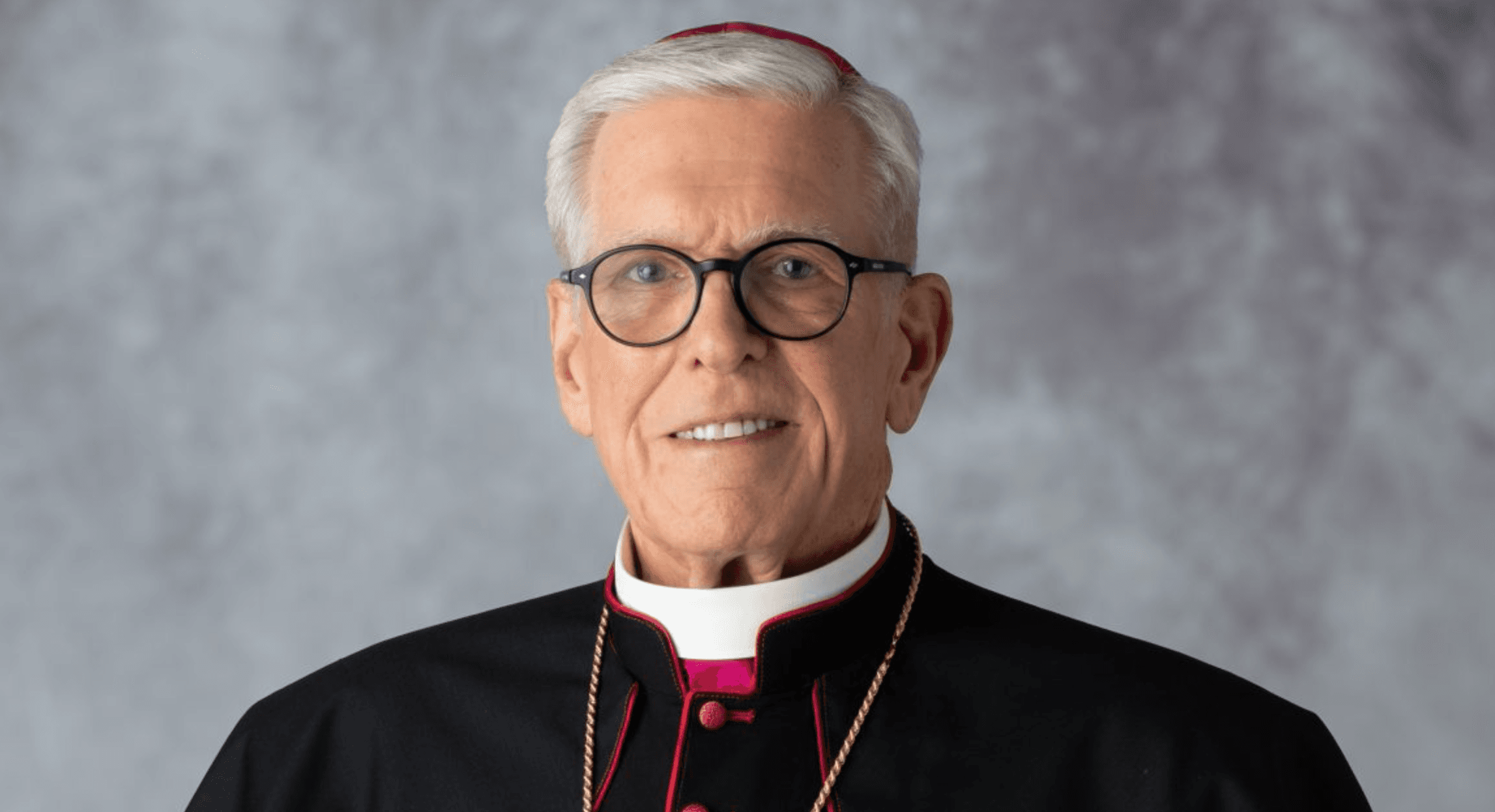
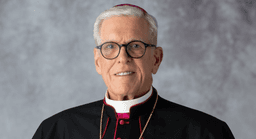
Presenting the revised guidelines, the president of the bishops’ conference, Bishop Francisco Javier Múnera Correas, said his objective was to embed safeguarding within the life of the Church. “It is about helping to form, throughout the Church, a culture of care, in which the protection of minors and of people in situations of vulnerability is not considered a strange obligation, but an evangelical requirement,” he said.
The operational document is explicitly action-focused. Its introduction states: “This document has, above all, a practical orientation, aimed at action. Yes, at the action of all those of us who are called to be Apostles of care.” It adds, “These new Líneas, of an operational nature, are, precisely, the way to organise the service of care of the Colombian Church.”
The combined publication of the two texts establishes a single framework intended to guide safeguarding efforts across the country. The guidelines set out general criteria and principles, while the operational norms translate these into measurable practices.
A key feature of the operational guidelines is the structuring of safeguarding work into strategic areas: prevention; detection and disclosure; integral attention; and integral reparation. These are complemented by a transversal axis covering management, transparency, communication and accountability. The approach is intended to provide a more systematic and verifiable structure for safeguarding activities.
The practical measures outlined include procedures for the selection and formation of personnel, the establishment of safe environments, including in digital settings, and mechanisms for the reception and accompaniment of those affected by abuse. The documents also stress the importance of training and awareness at every level of Church life.
The revised guidelines incorporate recent developments in Church law and teaching, as well as requirements arising from Colombia’s Constitutional Court. In particular, they take account of the court’s Sentencia de Unificación 315 of 2025, which addressed obligations relating to the reporting of abuse. The updated framework emphasises transparency, institutional co-responsibility and compliance with civil law.
The bishops state that both documents are to be implemented through diocesan decrees, ensuring that they have binding force within each ecclesiastical jurisdiction. Their reception and application at the local level are presented as essential to the effectiveness of the new measures.
The publication of the revised guidelines follows a period of heightened scrutiny of the Church in Colombia. In November 2023, the book El archivo secreto, by journalists Juan Pablo Barrientos and Miguel Ángel Estupiñán, reported allegations against at least 569 members of the Catholic clergy in the country.
Further controversy arose in 2024 when the late Pope Francis accepted the resignation of Bishop Óscar Augusto Múnera Ochoa as apostolic vicar of Tierradentro. The bishop had been accused of abuse in May of that year, including allegations relating to an incident in 2005 when he was a priest. The claims were reported in the same investigative work and later discussed in an article by Estupiñán. No charges have been filed by Colombian authorities, and the bishop has not publicly commented on the accusations.