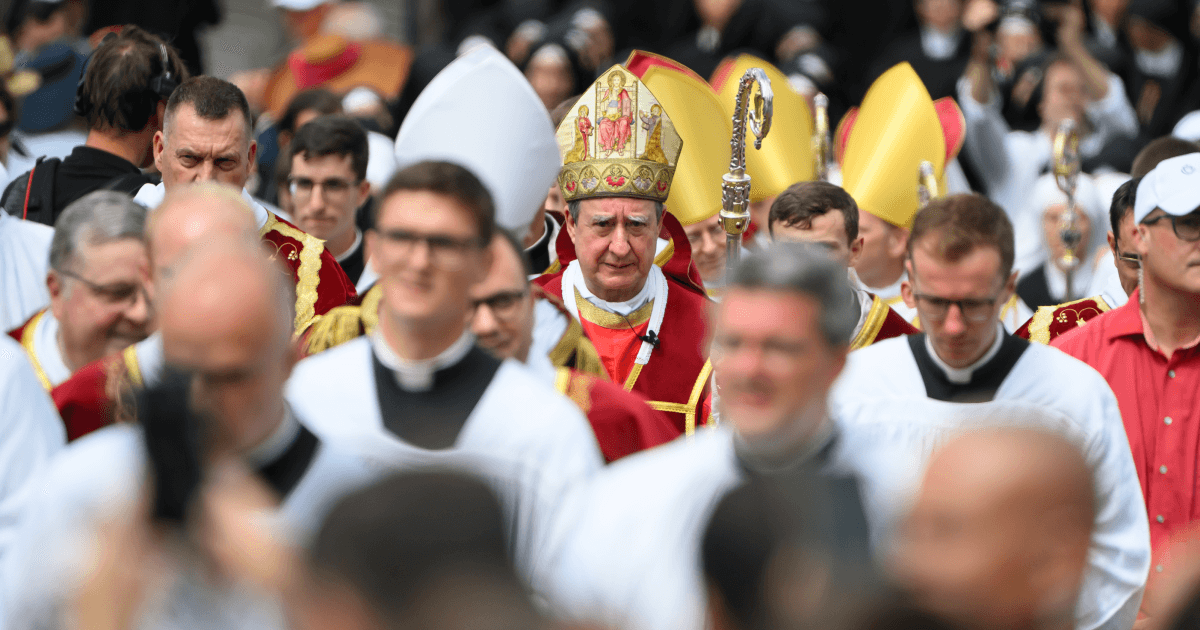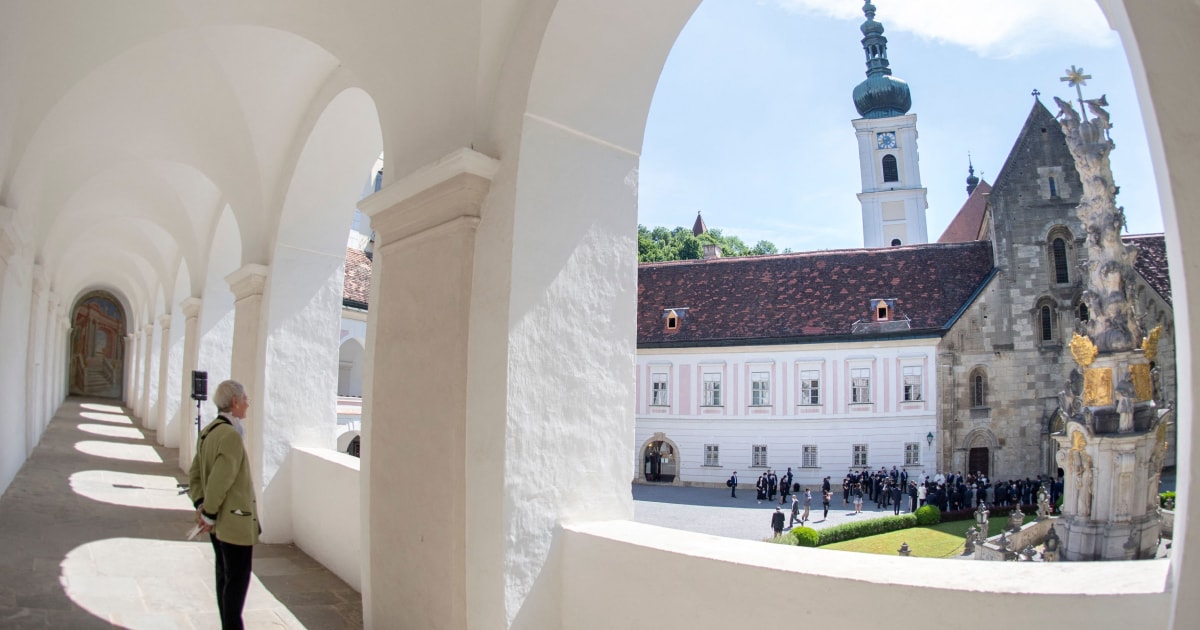


The Dicastery for Institutes of Consecrated Life and Societies of Apostolic Life has concluded its apostolic visitation of Heiligenkreuz Abbey after months of investigation into the life and governance of the Austrian Cistercian monastery.
The findings were formally communicated to the community during a conventual chapter, following interviews with around 90 monks and a number of external individuals conducted by the appointed visitors, Benedictine Abbot Primate Jeremias Schröder and Sister Christine Rod MC.

In a statement, the abbey said the dicastery had issued “proposals for the positive development of the community”, adding that these included “optimised communication skills of the community internally and externally, strategic considerations for the future of the abbey and prioritisation of tasks, reflection on the theological and spiritual orientation, deepening the introduction of young people to monastic life and the priesthood, and a sharpening of the identity and self-image of Heiligenkreuz Abbey”.
It added: “The monks of the abbey will, in the coming months and years, engage intensively with the instructions of the Dicastery and thus work towards deepening their faith and ensuring the community’s future viability.”
The mandate for the visitation, dated 5 June 2025, stated that the visitors were tasked “to thoroughly examine the leadership style of the abbey as a whole, as well as the personal leadership style of the abbot”, and to consider “how allegations of abuse and other serious misconduct are handled”.
The decree said the purpose of the process was “to gain a precise picture of the situation of monastic life and the governance of your abbey”, describing it as an apostolic visitation ad inquirendum et referendum (to investigate and report back).
The inquiry followed the circulation of anonymous letters in early 2025 containing serious allegations and threats against members of the community. The abbey filed a complaint, and the public prosecutor’s office in Wiener Neustadt opened an investigation into suspected attempted coercion and defamation. Proceedings are ongoing against unknown persons, while earlier investigations into a named suspect were discontinued.
The Holy See has not stated whether the anonymous allegations were directly linked to the decision to order the visitation.
At the conclusion of the process, Sister Christine Rod said: “During the months of the visitation, I came to know Heiligenkreuz as a spiritual place and experienced a great willingness to cooperate. The instructions of the Dicastery represent an important framework for action for the future of the abbey.”
Fr Abbot Pius Maurer, Abbot President of the Austrian Cistercians, said: “The Apostolic Visitation was a valuable impetus for the long-term positive development of the Heiligenkreuz community.” He added: “If there are allegations against individual members of the community, Heiligenkreuz will act in accordance with both ecclesiastical and state regulations.”
Abbot Maximilian Heim said: “We thank the Dicastery and the two visitors for the valuable discussions during the visitation and the helpful guidance for the future.”
The dicastery, in turn, expressed gratitude to the abbot for his “outstanding personal commitment to Heiligenkreuz Abbey, which has contributed to a remarkable flourishing of the community”.
The visitation was first made public in June 2025, when a letter from the dicastery informed the abbey of Rome’s decision to intervene. In August 2025, Abbot Heim resigned as Abbot President of the Austrian Cistercian Congregation, with a spokesman citing a “tense and turbulent situation” at the monastery. He was succeeded in October by Dom Pius Maurer.
Founded in 1133 by Margrave Leopold III, Heiligenkreuz is the oldest continuously inhabited Cistercian monastery in the world. The abbey has around 100 monks, the highest number in its history, and is responsible for the pastoral care of 17 parishes, as well as priories in Austria and Germany. The monastery is also a centre of study. Its Philosophisch-Theologische Hochschule Benedikt XVI, which has around 300 students, was elevated to a university of pontifical right in 2007 by Pope Benedict XVI, who visited the abbey in the same year, and the Leopoldinum Seminary, also situated within the monastic grounds, is training 40 men for the priesthood.
The dicastery’s instructions will now be implemented by the community in the coming months as the abbey responds to the conclusions of the visitation.