



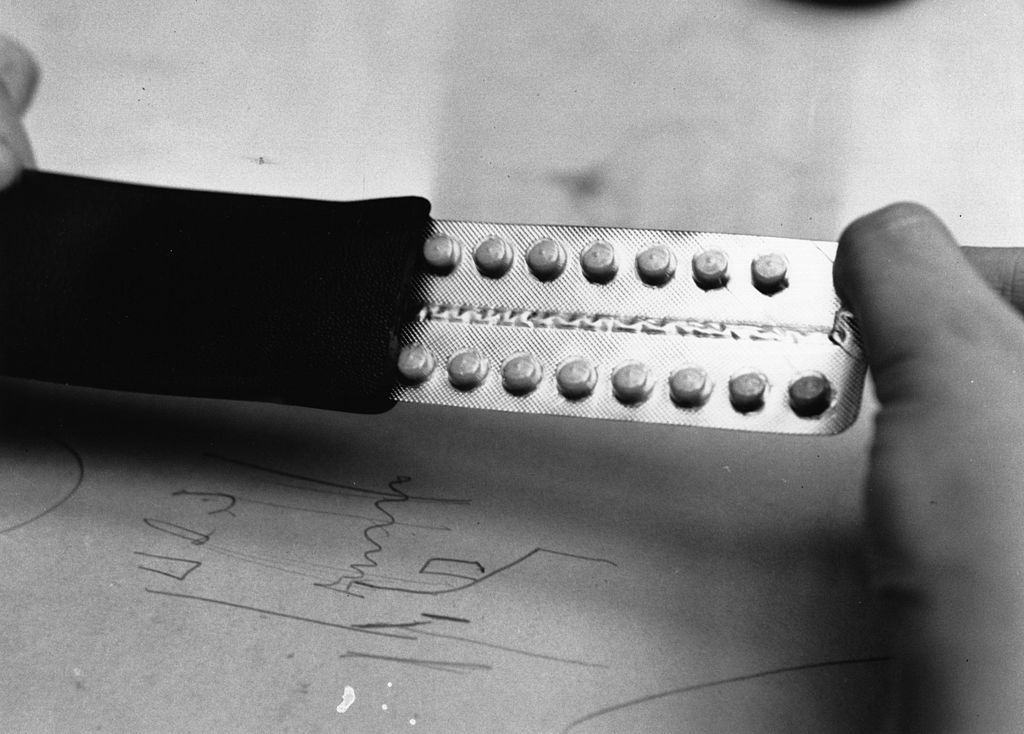
It was announced last week that terminations of pregnancy in the United Kingdom had reached the highest number ever. More than 205,000 abortions were carried out in 2018. The trend of increased terminations was among women in their 30s rather than teenagers, who were once considered to be more likely to be heedless about the risks of an unwanted pregnancy. But why should this be so? I find the main reason given by abortion providers – that women in their 30s now have less access to contraception, and that NHS budget cuts have reduced the availability of family planning – to be implausible. I think it’s possible that the cost of housing and renting may have an impact on the statistics. I have encountered women who say they would love to have a baby, but considering the difficulties of getting a home of their own, they just felt that, regrettably, they couldn’t proceed with it. I remember a parish priest once saying that “the most influential person in the business of family planning is the borough architect”. In the days when councils really did supply social housing, the borough architect might well decide on what size a family home might be. Anecdotally, I also think the size of family cars may have some influence. Women have been told (sometimes by their own mothers): “Another child won’t fit into the family car!” Contraception was supposed to curtail the demand for abortion. The advocates of the 1967 Abortion Act almost all affirmed that with a better “menu” of contraception there would be a diminishing demand for abortion. But it hasn’t, evidently, worked like that. An experienced gynaecologist told me that abortion was preferable, for some people, to contraception because it allowed a woman or a couple to make a decision after the pregnancy had started. “Sometimes a woman doesn’t know whether she wants to be pregnant until she is,” he said. A confirmed pregnancy – wanted or otherwise – also allows the couple to test the strength of their relationship, as well as being a proof of fertility, he suggested. (If this is so, would it be a good idea to invent better methods of testing fertility before embarking on pregnancy?) In any case, the ever-increasing figures are very sad. During campaigns to legalise abortion in the mid-1960s, it was considered deplorable that there might be as many as 50,000 abortions annually. I remember hearing the Labour MP Lena Jager saying that once abortion was legalised, and with proper family planning available, that number could be cut to an absolute minimum. It has quadrupled.
2:00 PM
Contraception hasn't reduced demand for abortion
it was announced last week that terminations of pregnancy in the united kingdom had reached the highest number ever. more than 205,000 abort...
Mary Kenny

4 min read



Already a subscriber? Sign in
5freearticles every month
Continue reading with a free account. No card needed.
- Five free articles every thirty days, on any device you sign in on
- The Catholic Herald newsletter, every morning
- Subscribe whenever you like for everything: every article and the magazine






subscribe to the catholic herald today
Our best content is exclusively available to our subscribers. Subscribe today and gain instant access to expert analysis, in-depth articles, and thought-provoking insights—anytime, anywhere. Don’t miss out on the conversations that matter most.
Subscribe



