

A local court in Nueva Vizcaya has dismissed charges against Bishop Jose Elmer Mangalinao of Bayombong and other environmental advocates accused of involvement in barricades opposing a mining exploration project.
The ruling, announced on June 24, brings to a close a civil complaint filed earlier this year following the bishop’s pastoral visits to communities resisting the activities of Northern Luzon Mineral Resources Corporation in Kasibu. Recent reports confirm that the case concerned barricades established by residents against mining exploration activities in Kasibu, Nueva Vizcaya.
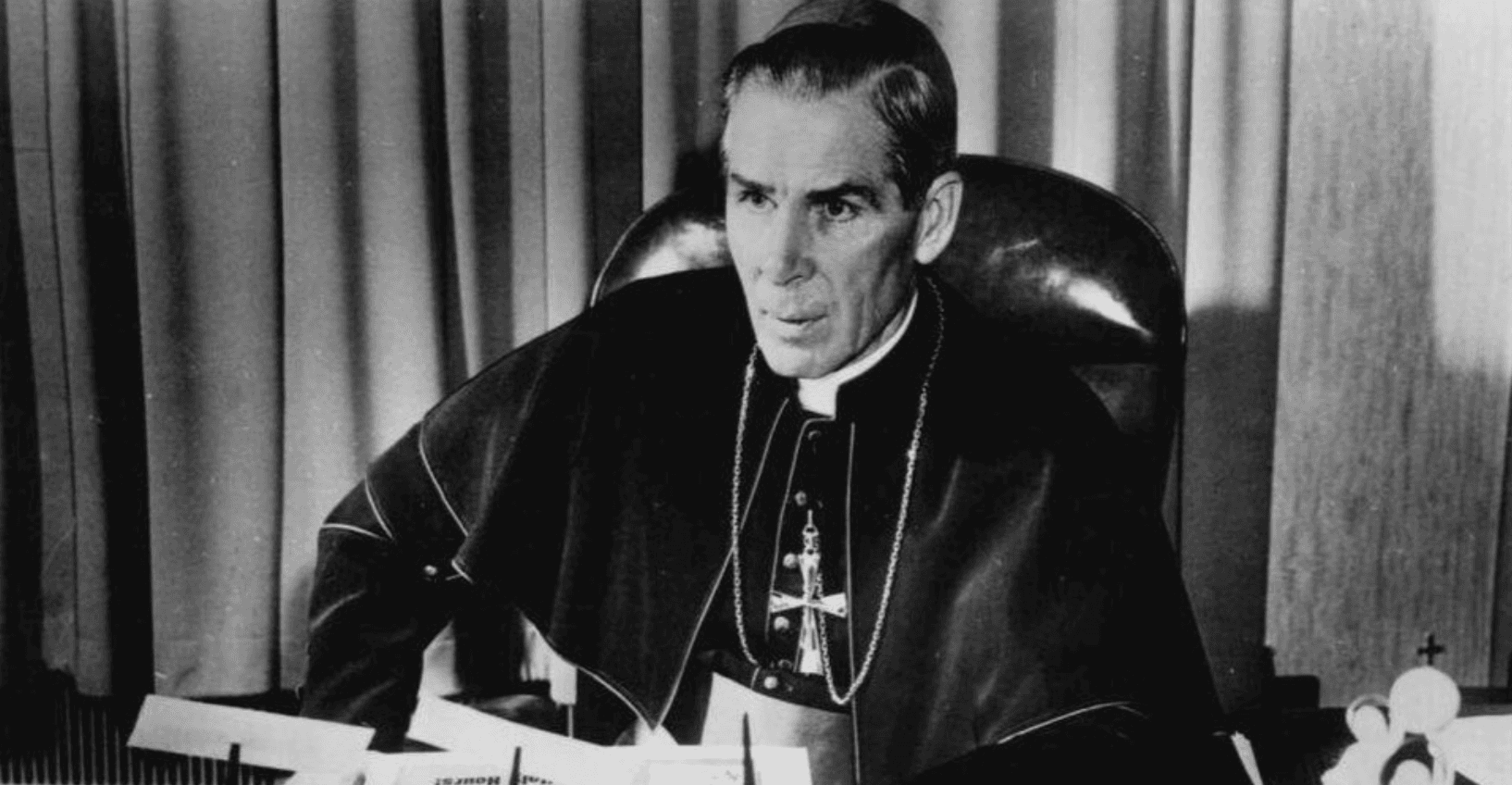
Bishop Mangalinao, 66, had visited residents who set up barricades on ancestral lands in the province, celebrating Mass with them and offering spiritual accompaniment. He had previously supported a similar anti-mining effort in Dupax del Norte. The complaint, lodged by a local chieftain, alleged “forcible entry” related to the maintenance of the barricades. UCA News reported that the complaint was filed by Rosario Camma, a chieftain of the Bugkalot-Ilongot indigenous communities.
In a statement following the dismissal, the bishop expressed gratitude and reaffirmed the Church’s commitment to environmental stewardship. He described the defence of watersheds and indigenous lands as “not a crime but a shared moral responsibility”, rooted in the conviction that “the cry of the earth and the cry of the poor are one cry”. Bishop Mangalinao emphasised that his role was one of accompaniment rather than direction: “I visited the residents to accompany, not to direct; to comfort, not to command.”
The case had drawn widespread support from within the Philippine Church. Cardinal Pablo Virgilio David of Kalookan commended the bishop’s courage, noting his recovery from a heart attack four years earlier. Bishop Gerardo Alminaza of San Carlos, president of Caritas Philippines, stated that Bishop Mangalinao’s actions reflected the Church’s pastoral duty “to accompany people in their struggles and aspirations” and that the Church “cannot remain indifferent when communities seek support in protecting the resources that sustain life”.
The Philippines is one of the most mineral-rich countries in the world, yet large-scale mining operations have long been controversial, particularly in areas inhabited by indigenous groups. The Catholic Bishops’ Conference of the Philippines has consistently voiced concerns over the environmental and social impacts of such projects, calling for genuine consultation with affected communities and responsible stewardship of creation in line with Catholic social teaching.
Bishop Mangalinao has been a prominent advocate for the protection of watersheds, indigenous rights and sustainable development in Nueva Vizcaya. His diocese has repeatedly highlighted the risks posed by mining to local agriculture, water sources and the ancestral domains of groups such as the Bugkalot-Ilongot people.
The dismissal of the case has been welcomed by environmental and indigenous rights advocates. Residents and Church groups had maintained that the barricades were a legitimate form of peaceful protest to defend their lands and livelihoods. The episode underscores ongoing tensions in the Philippines between economic development priorities, environmental protection and the rights of indigenous peoples.

.png)

.png)
.png)


.png)
.png)