
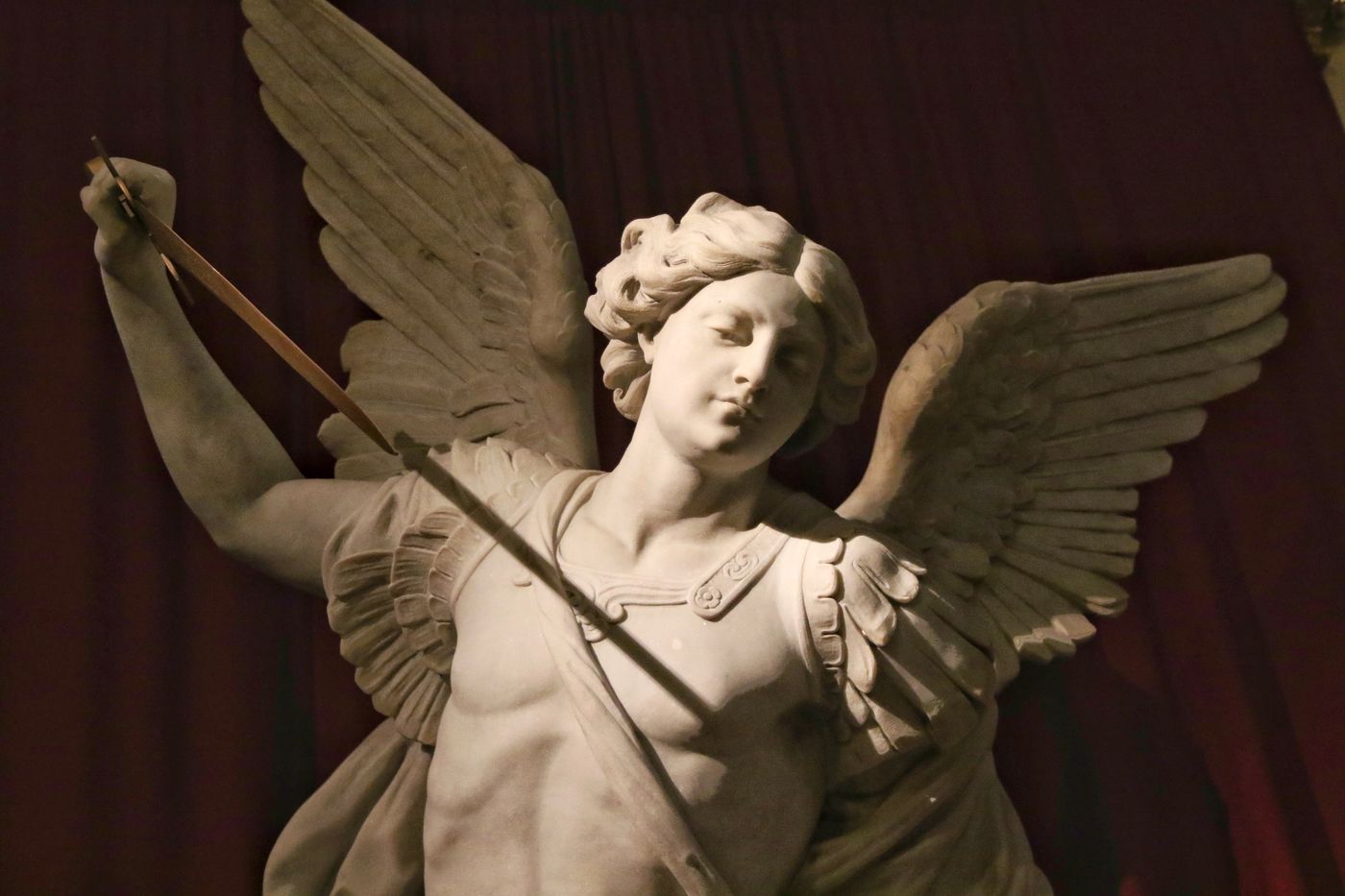
Among the bank of menacing clouds hanging over us all at the moment, the rise of anti-Semitism is one of the most disturbing. It is only 75 years since Allied troops liberated the Nazi death camps, where six million Jews had died. That handful of survivors who are still alive continue to talk publicly of their appalling experiences in the hope that such a genocide may never happen again. And yet the same extremist, irrational, abhorrent hatred is bubbling to the surface again across Europe, and even within Britain’s Labour Party. Just how worried the British Jewish community is was made clear to me when I began a promotional tour for my new book on angels at Jewish Book Week in central London. The subject came up several times when I met members of the audience after my event (where I had been interviewed by the wonderfully warm and wise Rabbi Julia Neuberger). The images of swastikas being daubed on Jewish graves in France made people shake their head in disbelief. We all need to speak up repeatedly and loudly against this blight on our society and ensure that those bigots intent on spreading hatred are brought to book. On a lighter note, several of my potential readers allowed me a peek in their handbags – to reveal what I think is a distinctly Jewish custom of keeping an angel figurine in there as a guardian as they go about their business. Though my mother was a lifelong believer in guardian angels, she preferred rosary beads in her bag as her amulet.
2:00 PM
Diary: Guardian angels, Scouse accents and a 12th-century retrochoir
among the bank of menacing clouds hanging over us all at the moment, the rise of anti-semitism is one of the most disturbing. it is only 75 ...
Peter Stanford

4 min read



Already a subscriber? Sign in
5freearticles every month
Continue reading with a free account. No card needed.
- Five free articles every thirty days, on any device you sign in on
- The Catholic Herald newsletter, every morning
- Subscribe whenever you like for everything: every article and the magazine
Related articles
 Newsroom
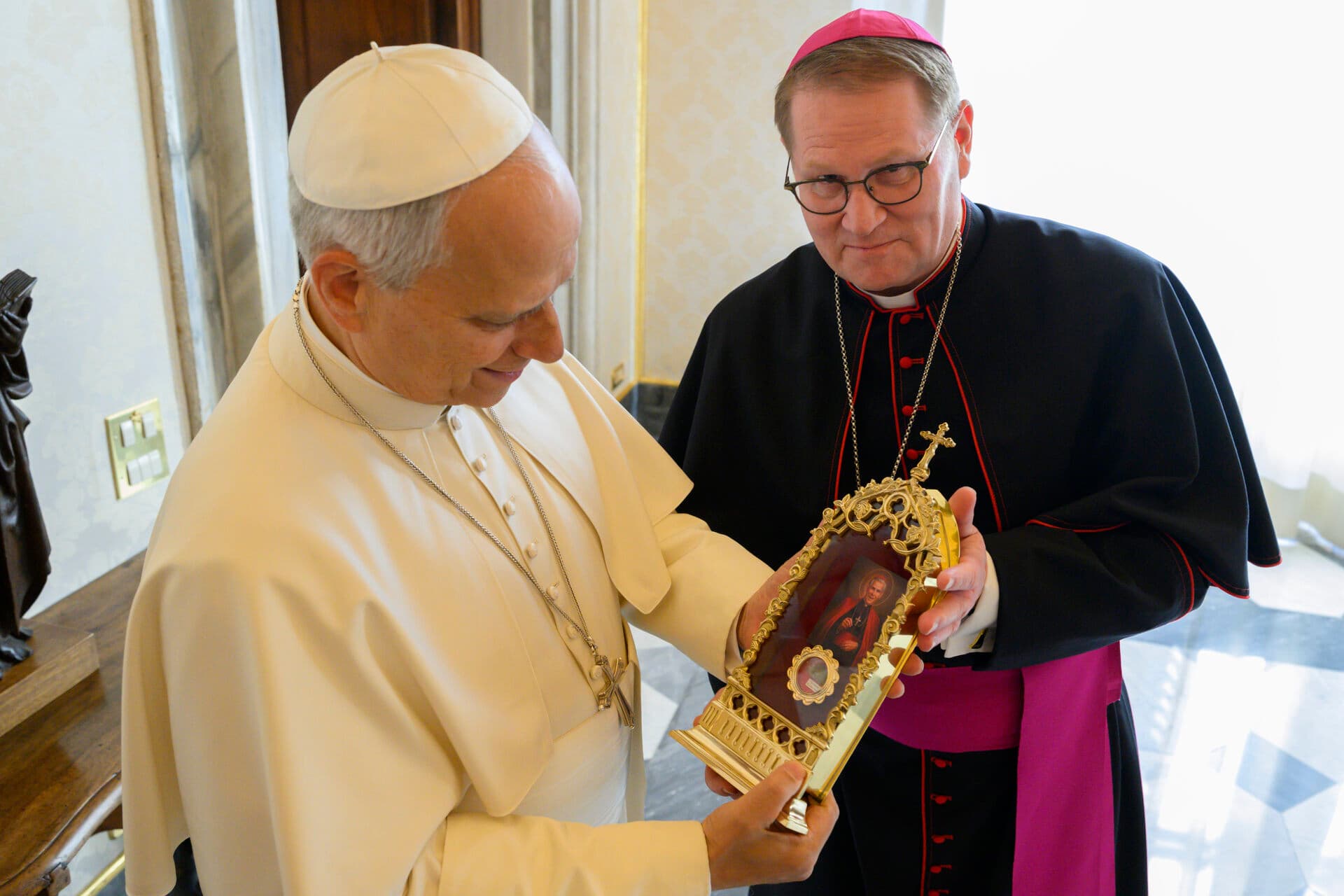
Bishop of Peoria presents Sheen relic to Pope Leo XIV
Pope Leo XIV has praised Archbishop Fulton J. Sheen’s witness of faith and missionary spirit, as the Diocese of Peoria continues to celebrate his beatification
Christine Rousselle Newsroom
USCCB president calls planned livestream of execution ‘barbaric’
Christine Rousselle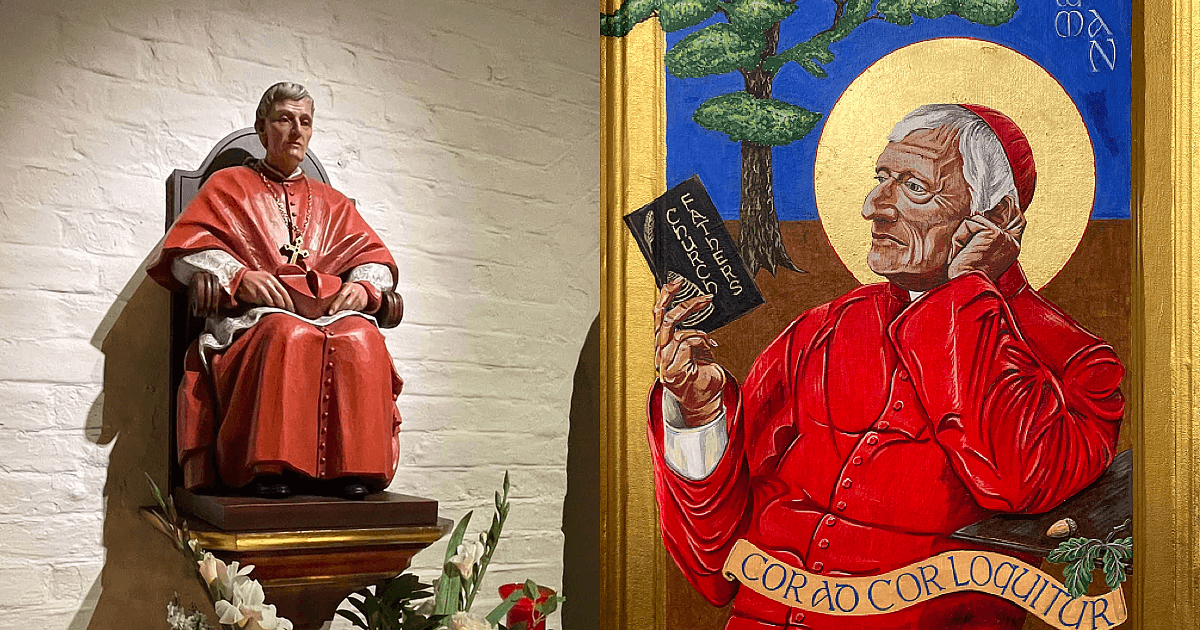 Newsroom
Ordinariate honours Newman with new statue and icon
The Catholic Herald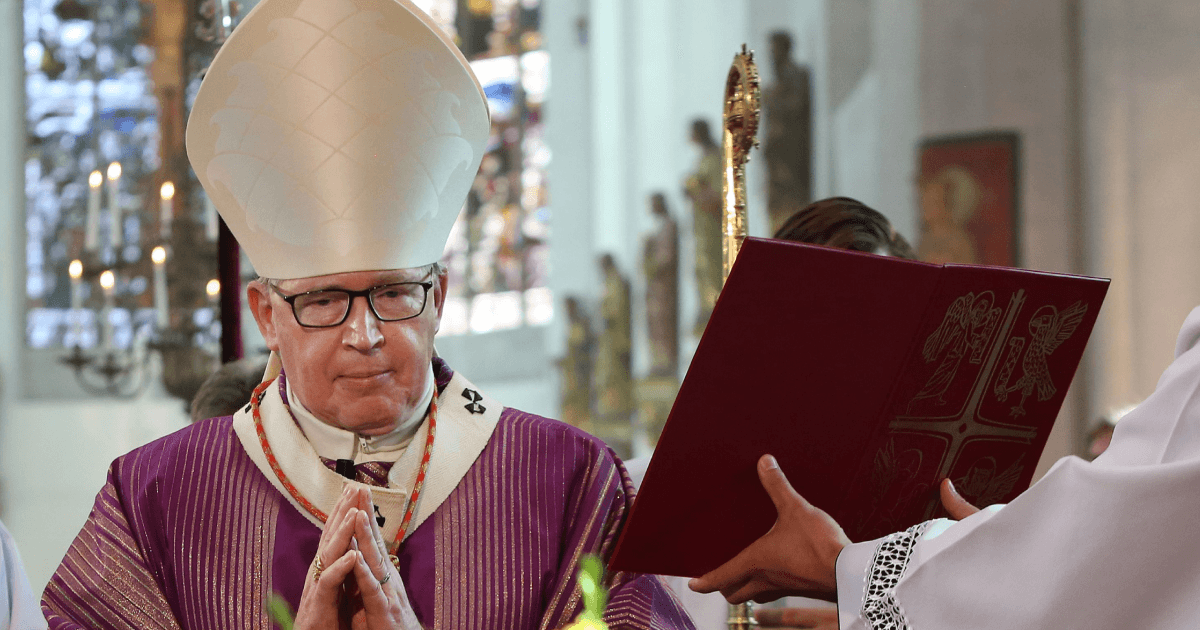 Newsroom
Cardinal Eijk: human dignity comes from God, not the state
Corrie Douglas-Young Newsroom
Glasgow archdiocese to halve number of parishes
Corrie Douglas-Young
subscribe to the catholic herald today
Our best content is exclusively available to our subscribers. Subscribe today and gain instant access to expert analysis, in-depth articles, and thought-provoking insights—anytime, anywhere. Don’t miss out on the conversations that matter most.
Subscribe



