




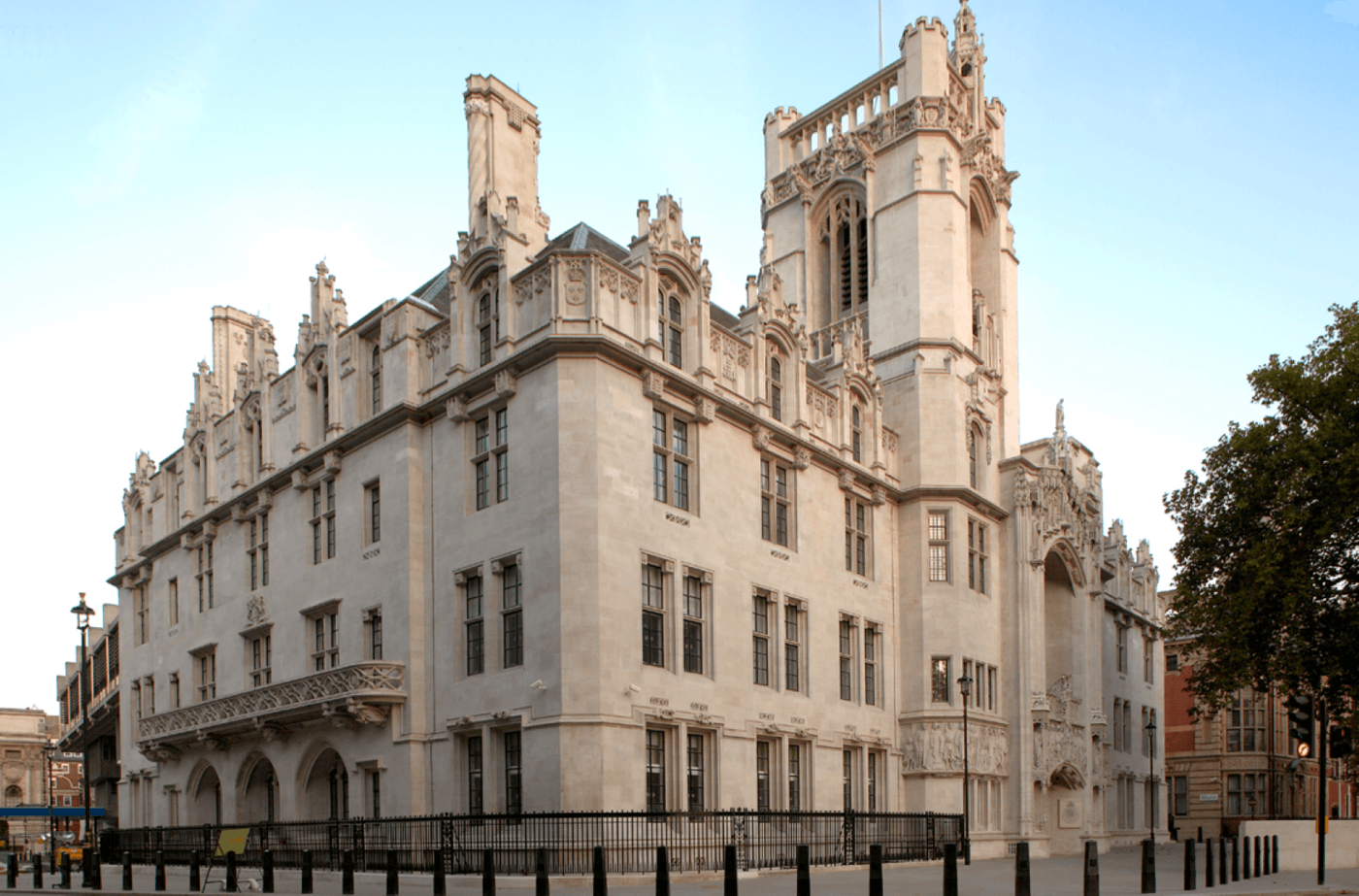
The UK Supreme Court has established that the families and doctors of patients in a vegetative state do not need to seek legal permission on end-of-life cases. The Supreme Court ruled that a man, called Mr Y in court, with an extensive brain injury, could have been allowed to die without the hospital having permission from a judge. Where families and doctors are in agreement, medical staff will be allowed to withdraw food and drink without applying to the Court of Protection. Mr Y, 52, sustained severe brain damage after a cardiac arrest. He had never regained consciousness, and required artificial food and hydration. He died before the Supreme Court ruling, but judges decided to continue the case. The National Health Service trust - a corporate governance body in UK public healthcare - had sought clarification as to whether they might be exposed to legal action if court judgements were not in place. Doctors have long been able to withdraw sustaining medical treatment for vegetative patients, if it is in the best interests of the patient, and the family agree. What was less certain was the legal position on withdrawing food or water. In a landmark decision in 1993, the House of Lords – which then acted as the UK's highest court – agreed that in the case of Hillsborough victim Tony Bland, removing food and drink did not constitute murder, but that referring similar cases to court was 'best practice'. In Monday's judgement, Lady Black said: “If the provisions of the MCA 2005 (Mental Capacity Act) are followed and the relevant guidance observed, and if there is agreement upon what is in the best interests of the patient, the patient may be treated in accordance with that agreement without application to the court.” However, Lady Black also said there would be instances where legal permission should still be sought.
9:11 AM
Doctors and families in UK can now remove life support without court permission
The Supreme Court ruled that food and drink can be removed from patients in a vegetative state if doctors and families are agree
Staff Reporter

3 min read



Already a subscriber? Sign in
5freearticles every month
Continue reading with a free account. No card needed.
- Five free articles every thirty days, on any device you sign in on
- The Catholic Herald newsletter, every morning
- Subscribe whenever you like for everything: every article and the magazine

.png&w=3840&q=75)

subscribe to the catholic herald today
Our best content is exclusively available to our subscribers. Subscribe today and gain instant access to expert analysis, in-depth articles, and thought-provoking insights—anytime, anywhere. Don’t miss out on the conversations that matter most.
Subscribe



