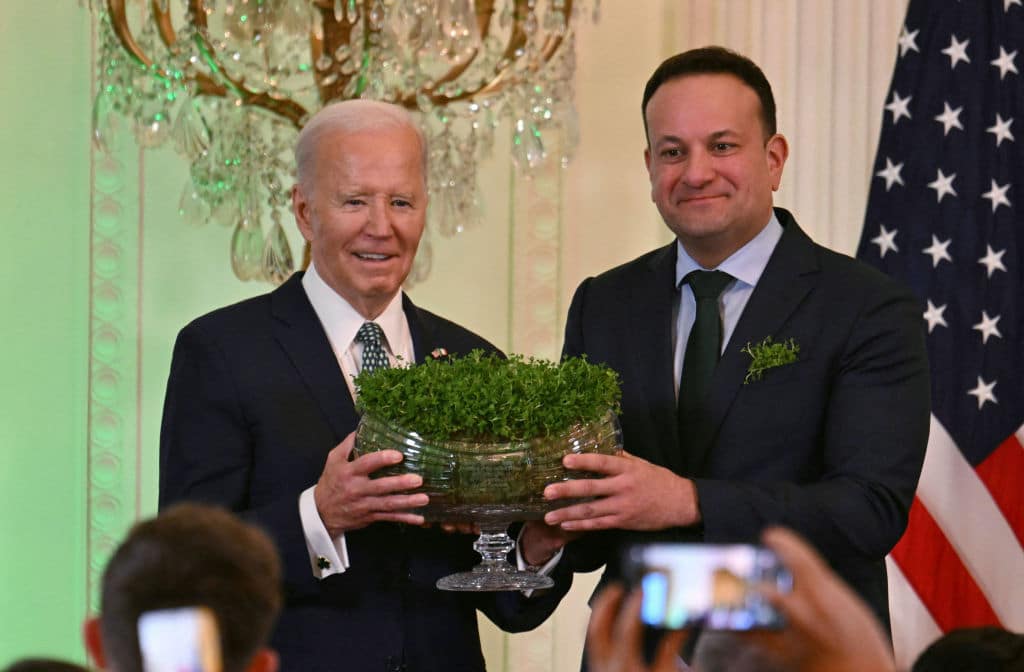



The news that Leo Varadkar is to step down as Ireland’s Taoiseach (prime minister) once his Fine Gael party selects a new leader, will give rise to reflection among the country’s Catholics about whether his successor will bring any changes to current Church-State relations.
Varadkar had a complex relationship with the Catholic Church, after making history by becoming the country’s youngest and first openly gay and first biracial leader. It was certainly a more confrontational relationship than any of his predecessors, exemplified most forcefully by his spearheading the 2018 referendum to liberalise the Republic’s abortion laws, a move backed two to one by voters.
“I’m proud that we have made the country a more equal and more modern place,” Varadkar said in his resignation statement annouced in Dublin on 20 March.
Yet his pending resignation follows an overwhelming defeat in two referendums on proposed constitutional changes on issues regarding marriage, family and the position of women in the home. But it would be inaccurate to conclude that the defeat of those measures reflects a revival of conservative values.
Many complex issues were involved and much of the opposition came from people with liberal views, concerned about the impact on care for people with disabilities, for example.