



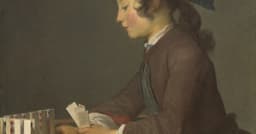
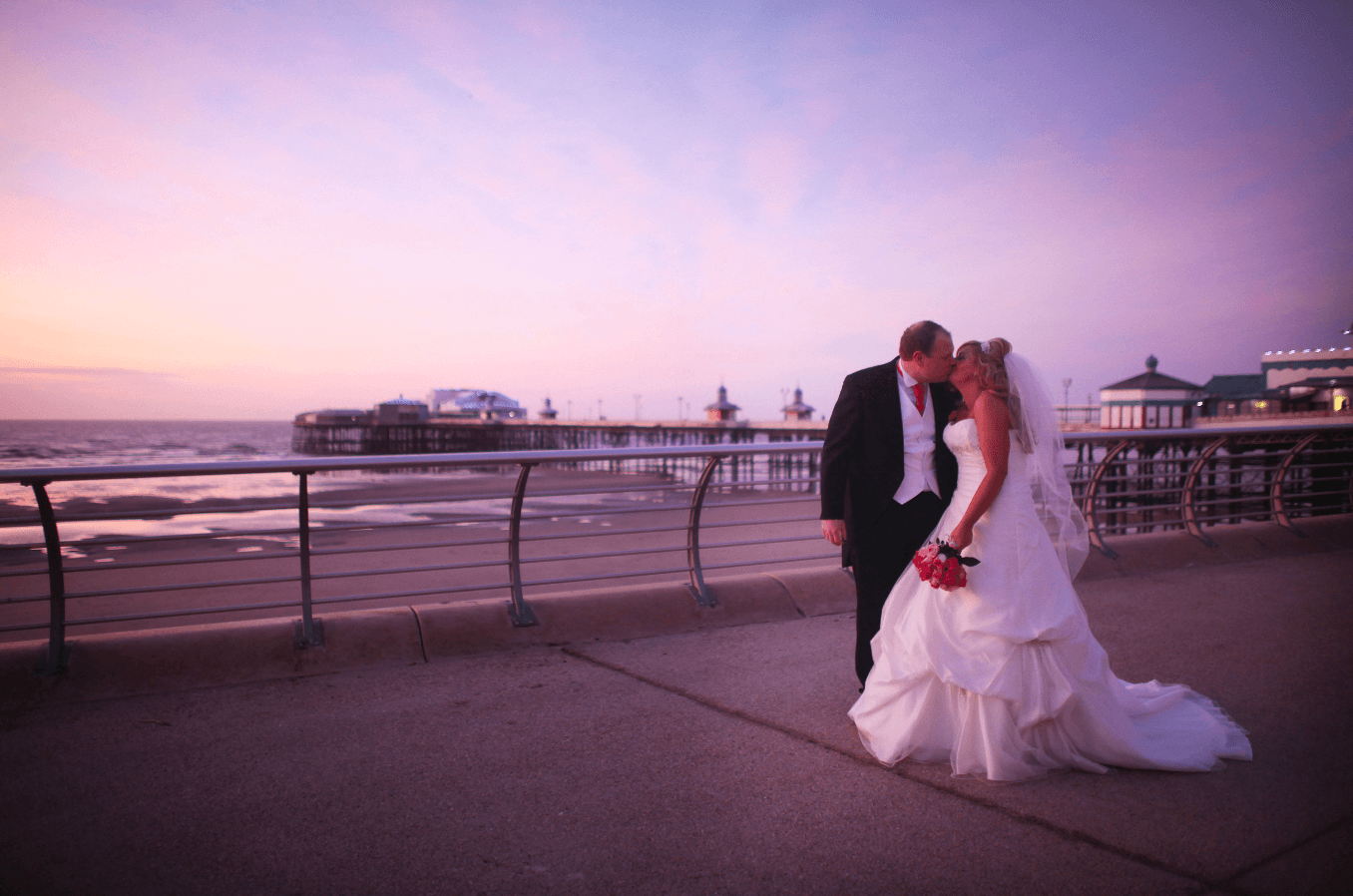
Long before Theresa May proclaimed that “no deal is better than a bad deal”, Queen Victoria said, in effect, that “no marriage is better than a bad marriage”. Victoria, born 200 years ago, in 1819, counselled her friends and family not to marry “just for marriage’s sake” – even though her own marriage was very happy and only cut short by Albert’s early death. Perhaps this Victorian theme is now being revived among a younger, 21st century generation, who, according to the Marriage Foundation, are not particularly enamoured of the notion of wedlock. It’s predicted that 57 per cent of teenage girls and 55 per cent of teenage boys will never marry because they are so unenthused about the idea. Marriage among those under 25 is, currently, virtually zero in Britain. Advocates of matrimony, such as the admirable Sir Paul Coleridge (who launched the Marriage Foundation, a think tank in support of marriage), believe this is all very depressing and regrettable, and does not bode well for the future stability of society. On the other hand, perhaps there has been too much unrealistic romanticising of marriage in the many years since Victoria’s words of caution. Innumerable Hollywood movies, countless stories such as those promulgated by Mills & Boon, and such leaders in the field of romance as Dame Barbara Cartland, have possibly over-sold the rosy road to wedded bliss. And inevitably, as with any product that is over-sold, there can be a subsequent reaction. By contrast, the Christian approach to marriage was often as forbidding as it was enticing, as in the sombre passage in the Book of Common Prayer – carried into the Anglican tradition from its Catholic roots – warning that marriage should not be undertaken “unadvisedly, lightly or wantonly, but reverently, discreetly, soberly and in the fear of God”. Monasticism and admiration for the single life played a strong role in the formation of the Christian ideal. The nuns at my convent school never mentioned the word “marriage” – they were consecrated virgins, and had deliberately rejected worldly coupledom for themselves. It was long recognised that marriage wasn’t for everyone – so I don’t think youngsters who seem reluctant about matrimony should be made to feel all that odd. And since divorce and break-up is such a common part of their experience today, why shouldn’t they be cautious? A happy marriage is a great gift, but it is not the only destiny for everyone: the single life has always been regarded as a vocation too.
2:00 PM
Don't blame millennials for the decline in marriage
long before theresa may proclaimed that “no deal is better than a bad deal”, queen victoria said, in effect, that “no marriage is better tha...
Mary Kenny

4 min read



Already a subscriber? Sign in
5freearticles every month
Continue reading with a free account. No card needed.
- Five free articles every thirty days, on any device you sign in on
- The Catholic Herald newsletter, every morning
- Subscribe whenever you like for everything: every article and the magazine
.png&w=3840&q=75)

subscribe to the catholic herald today
Our best content is exclusively available to our subscribers. Subscribe today and gain instant access to expert analysis, in-depth articles, and thought-provoking insights—anytime, anywhere. Don’t miss out on the conversations that matter most.
Subscribe



