


Sunday, May 13, 1917 would prove to be an auspicious day, both for the Catholic Church and for the whole tumultuous course of the 20th century. In the Sistine Chapel, Pope Benedict XV consecrated Eugenio Pacelli as archbishop, prior to sending him off to be nuncio to Bavaria. Thus one pope, an indefatigable voice for peace throughout a war then engulfing the world, sent off another on his path – as the future Pope Pius XII – to play a pivotal role in the next.
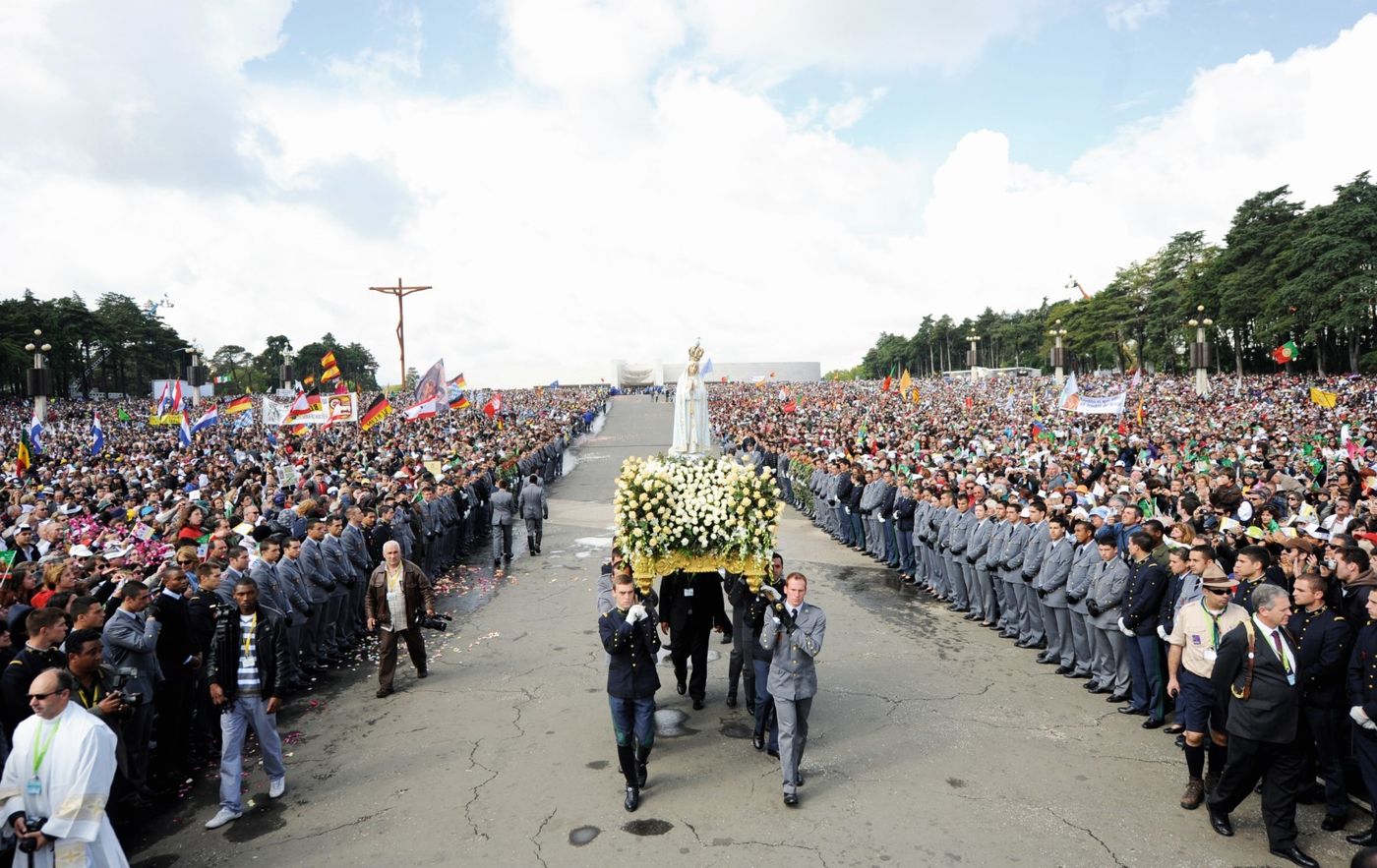
As unlikely as it sounds, 1,100 miles away on a dusty Portuguese hillside, something of perhaps greater import was taking place. Three primary-school age children – siblings Francisco (aged nine) and Jacinta (seven) and their cousin Lucia (10) – were tending their families’ sheep. Startled by a sudden burst of light, they looked up expecting to see a thunderstorm coming. Instead, before them, as Lucia would later recount in her memoirs, was “a lady, clothed in white, brighter than the sun”.