February 12, 2026

First person charged under UK abortion buffer zone law after silent prayer

The Catholic Herald
More
No items found.
Related
Min read
share

A British woman has become the first person to be charged under the UK’s new national abortion buffer zone legislation after silently praying outside an abortion clinic, prompting renewed debate over freedom of expression and religious liberty.

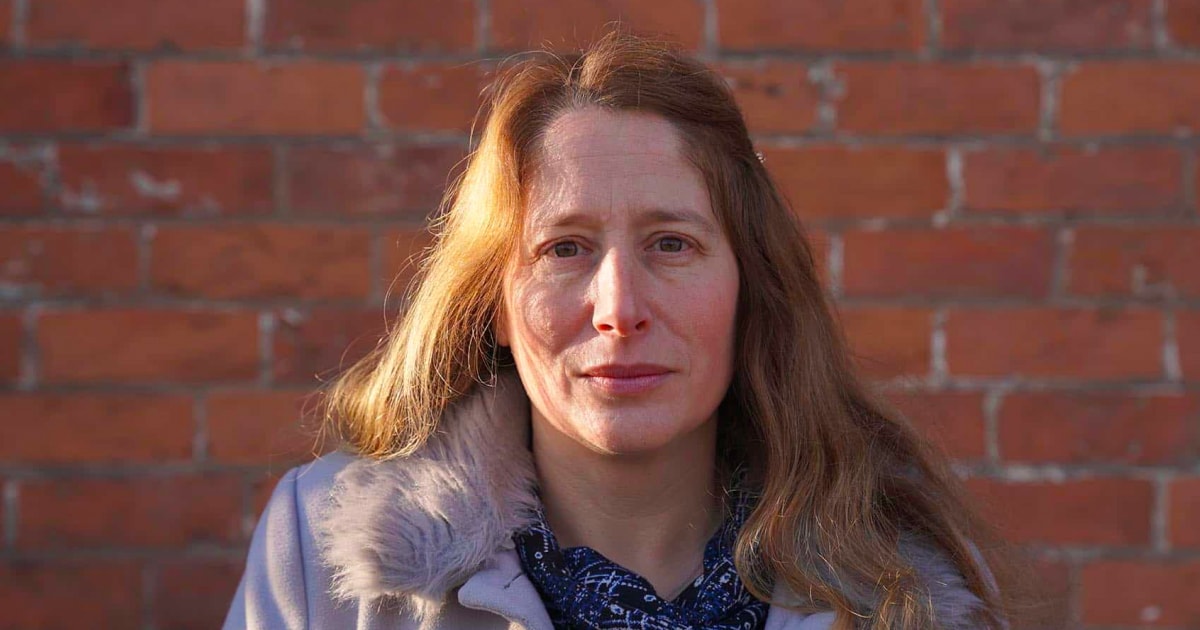
Isabel Vaughan-Spruce, a Catholic pro-life campaigner from Birmingham, was charged by West Midlands Police following an investigation into her conduct near an abortion facility in the Kings Norton area of the city. Prosecutors allege that between June and November 2025 she stood within the legally restricted zone surrounding the clinic with the intention of influencing decisions related to abortion services.
The charge is the first known prosecution under the national buffer zone law, which came into force in October 2024. The legislation makes it a criminal offence to influence any person’s decision to access, provide, or facilitate abortion services within a designated distance of abortion facilities across England and Wales. While the law does not explicitly mention prayer, authorities have argued that silent prayer can fall within its scope if deemed to be intentional influence.

Vaughan-Spruce has said that she was not engaging with anyone, displaying signs, or speaking while standing outside the clinic, and that she was praying silently. If convicted, she could face an unlimited fine. Her case is due to be heard at Birmingham Magistrates’ Court later this month.

The campaigner has previously been involved in legal proceedings relating to buffer zone restrictions at the same location. In 2022, she was arrested under a local Public Spaces Protection Order but was later released without charge, and a subsequent arrest led to an apology from West Midlands Police and a compensation payment after it was acknowledged that the arrests had been unlawful.

Legal and civil liberties groups have expressed concern that the case demonstrates the breadth of the new law and its potential impact on freedom of thought, conscience, and religion. They argue that criminalising silent prayer risks setting a precedent that could restrict peaceful expression in public spaces.

The case will be closely watched as it proceeds through the courts, with both supporters and critics viewing it as a test of how far the buffer zone law can be interpreted and applied in practice.

A British woman has become the first person to be charged under the UK’s new national abortion buffer zone legislation after silently praying outside an abortion clinic, prompting renewed debate over freedom of expression and religious liberty.

Isabel Vaughan-Spruce, a Catholic pro-life campaigner from Birmingham, was charged by West Midlands Police following an investigation into her conduct near an abortion facility in the Kings Norton area of the city. Prosecutors allege that between June and November 2025 she stood within the legally restricted zone surrounding the clinic with the intention of influencing decisions related to abortion services.
The charge is the first known prosecution under the national buffer zone law, which came into force in October 2024. The legislation makes it a criminal offence to influence any person’s decision to access, provide, or facilitate abortion services within a designated distance of abortion facilities across England and Wales. While the law does not explicitly mention prayer, authorities have argued that silent prayer can fall within its scope if deemed to be intentional influence.

Vaughan-Spruce has said that she was not engaging with anyone, displaying signs, or speaking while standing outside the clinic, and that she was praying silently. If convicted, she could face an unlimited fine. Her case is due to be heard at Birmingham Magistrates’ Court later this month.

The campaigner has previously been involved in legal proceedings relating to buffer zone restrictions at the same location. In 2022, she was arrested under a local Public Spaces Protection Order but was later released without charge, and a subsequent arrest led to an apology from West Midlands Police and a compensation payment after it was acknowledged that the arrests had been unlawful.

Legal and civil liberties groups have expressed concern that the case demonstrates the breadth of the new law and its potential impact on freedom of thought, conscience, and religion. They argue that criminalising silent prayer risks setting a precedent that could restrict peaceful expression in public spaces.

The case will be closely watched as it proceeds through the courts, with both supporters and critics viewing it as a test of how far the buffer zone law can be interpreted and applied in practice.

subscribe to
the catholic herald

Continue reading your article with a subscription.
Read 5 articles with our free plan.
Subscribe

subscribe to the catholic herald today

Our best content is exclusively available to our subscribers. Subscribe today and gain instant access to expert analysis, in-depth articles, and thought-provoking insights—anytime, anywhere. Don’t miss out on the conversations that matter most.
Subscribe