


February 12, 2026

Forgiveness is more than a strategy

Bishop David McGough
More
No items found.
Related
Min read
share

Seventh Sunday of the Year
1 Sm 26: 2,7-9,12-13 & 22-33; 1 Cor 15:45-49; Lk 6:27-38 (Year C)

‘The Lord is compassion and love, slow to anger and rich in mercy. He does not treat us according to our sins nor repay us according to our faults.” The call to forgiveness does not sit easily with sinful humanity. Pride is reluctant to acknowledge its own need for forgiveness. More than this, it clings to past hurts, generating a resentment that poisons the spirit.

Forgiveness is something more than a strategy enabling conflict resolution. It forms us into the likeness of the God who is compassion and love, slow to anger and rich in mercy. It liberates us to become something more than the sum total of our own failings and grievances.

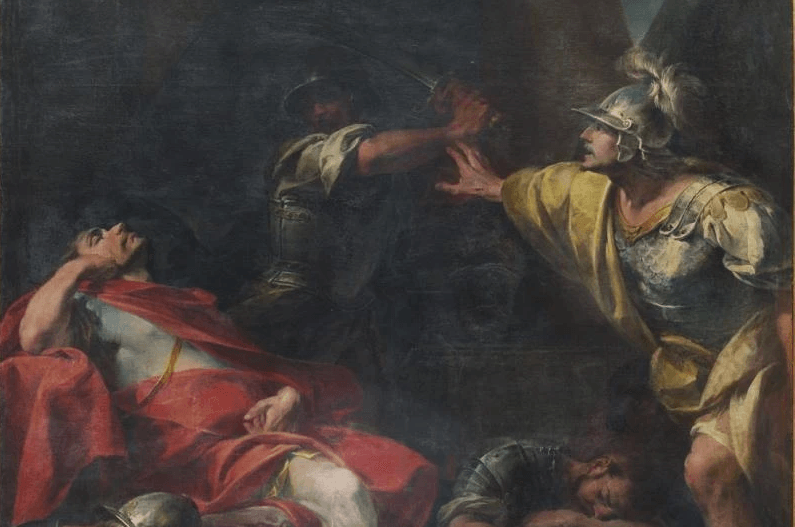
The colourful narrative of the young David fleeing the jealousy of an enraged King Saul illustrates both the challenges and difficulties that forgiveness generates. At a time when tribal disputes were settled by the elimination of the vanquished party, it was inconceivable that David should do anything other than slay the sleeping Saul, who had fallen into his power. But David refused to be governed by vengeance. “The Lord repays everyone for his uprightness and loyalty. Today the Lord put you in my power, but I would not raise my hand against the Lord’s anointed.”

We rarely answer our hurts, both real and imagined, with violence. At times, however, we must confess that we do not always resist the more subtle ways of visiting our dislikes on those who have fallen into our power. Sin poisons the possibility of healthy relationships by reducing them to self-interest. We give only to receive, we answer judgment with judgment, and resentment with resentment.

Jesus radically challenged this ingrained self-interest. “If you love those who love you, what thanks can you expect? For sinners do that much. Instead, love your enemies and do good, and lend without any hope of return.”

Some would say that this injunction runs contrary to common sense. Common sense, however, when rooted in self-interest, will frequently find itself at odds with the wisdom of a Father who is kind to the ungrateful and the wicked. We rarely change people by our judgments.

Generous love, however, has the power to transform both ourselves and imagined foes. “Be compassionate as your Father is compassionate. Do not judge and you will not be judged yourselves. Give, and there will be gifts for you: a full measure, pressed down and running over.” Generosity of spirit does not come instinctively to sinners. It is the gracious gift of the Father who forms us into the likeness of his own compassion and love.

Seventh Sunday of the Year
1 Sm 26: 2,7-9,12-13 & 22-33; 1 Cor 15:45-49; Lk 6:27-38 (Year C)

‘The Lord is compassion and love, slow to anger and rich in mercy. He does not treat us according to our sins nor repay us according to our faults.” The call to forgiveness does not sit easily with sinful humanity. Pride is reluctant to acknowledge its own need for forgiveness. More than this, it clings to past hurts, generating a resentment that poisons the spirit.

Forgiveness is something more than a strategy enabling conflict resolution. It forms us into the likeness of the God who is compassion and love, slow to anger and rich in mercy. It liberates us to become something more than the sum total of our own failings and grievances.

The colourful narrative of the young David fleeing the jealousy of an enraged King Saul illustrates both the challenges and difficulties that forgiveness generates. At a time when tribal disputes were settled by the elimination of the vanquished party, it was inconceivable that David should do anything other than slay the sleeping Saul, who had fallen into his power. But David refused to be governed by vengeance. “The Lord repays everyone for his uprightness and loyalty. Today the Lord put you in my power, but I would not raise my hand against the Lord’s anointed.”

We rarely answer our hurts, both real and imagined, with violence. At times, however, we must confess that we do not always resist the more subtle ways of visiting our dislikes on those who have fallen into our power. Sin poisons the possibility of healthy relationships by reducing them to self-interest. We give only to receive, we answer judgment with judgment, and resentment with resentment.

Jesus radically challenged this ingrained self-interest. “If you love those who love you, what thanks can you expect? For sinners do that much. Instead, love your enemies and do good, and lend without any hope of return.”

Some would say that this injunction runs contrary to common sense. Common sense, however, when rooted in self-interest, will frequently find itself at odds with the wisdom of a Father who is kind to the ungrateful and the wicked. We rarely change people by our judgments.

Generous love, however, has the power to transform both ourselves and imagined foes. “Be compassionate as your Father is compassionate. Do not judge and you will not be judged yourselves. Give, and there will be gifts for you: a full measure, pressed down and running over.” Generosity of spirit does not come instinctively to sinners. It is the gracious gift of the Father who forms us into the likeness of his own compassion and love.

subscribe to
the catholic herald

Continue reading your article with a subscription.
Read 5 articles with our free plan.
Subscribe

subscribe to the catholic herald today

Our best content is exclusively available to our subscribers. Subscribe today and gain instant access to expert analysis, in-depth articles, and thought-provoking insights—anytime, anywhere. Don’t miss out on the conversations that matter most.
Subscribe