



Many countries, especially republics, regard themselves as “secular” by constitution. But if secularism is brought to a point of extremism, it becomes in itself a form of fanaticism – and it causes trouble. I believe that France has got itself into a real muddle with its almost fanatical insistence on laïcité – their version of secularism (deriving from “laity”). It was surely a mistake to ban the wearing of the burka in public places in the name of laïcité. All right, set down certain dress codes in public institutions: in schools, banks, post offices, you should be able to see a person’s face. But if a Muslim woman wants to wear the veil while walking down the street, why should the government interfere? And now a further problem has arisen with the Jewish kippah – that skullcap that Orthodox Jewish men wear. After an attack on a religious teacher in Marseilles, some French Jews have suggested that men should not show this little cap in public. The French Jewish community is divided: some call it defeatism, others call it a security measure, and it has been hotly debated in the National Assembly. I’m not suggesting that the controversy over the kippah arises from a secular attack: the affray was caused by a Kurdish-Turkish youth. But it has once again touched on the French insistence on laïcité in the public square. For, it’s been argued, if Islamic women cannot wear their traditional garments, why should Jews be permitted to do so? Or why should a Catholic priest show himself in public in liturgical robes? Laïcité for all! I sincerely hope that the Jewish community will stand by their entitlement to the skullcap that is part of their age-old tradition. But I would also like to see France generally chill out about rigid rules over laïcité. By all means have a secular republic: but give some sartorial (and other) space to good citizens of faith, too. The decision of the football aficionado Gary Lineker and his wife, Danielle Bux, to seek a divorce, reportedly over a disagreement about family planning, is instructive. Reports claim that Mr Lineker, 55, does not want any more children: he has four from a previous marriage. Ms Bux, aged 36, is ardently keen to have a baby; she has one child from a previous relationship. In consequence, Danielle has chosen to seek a divorce. Were she a Catholic (leave aside the problem of Lineker’s previous legal union), she would be entirely supported by an ecclesiastical court. Because – not a lot of people know this, as Michael Caine is apt to say – a refusal to be open to parenthood leads to the automatic dissolution of a Catholic marriage (and I believe, an Anglican one). In this case, a woman’s right to choose – to seek to have a baby – would be backed by the full force of ecclesiastical law and history. The age issue is, in terms of canon law, irrelevant, even if that’s the angle that seems to have elicited most comment.
12:00 PM
France needs to chill out about secularism
Mary Kenny


4 min read



Already a subscriber? Sign in
5freearticles every month
Continue reading with a free account. No card needed.
- Five free articles every thirty days, on any device you sign in on
- The Catholic Herald newsletter, every morning
- Subscribe whenever you like for everything: every article and the magazine
Related articles
 Newsroom
Church leaders urge Drumcree dialogue: ‘Too much is at stake’
The Catholic and Church of Ireland Archbishops of Armagh have urged a renewed commitment to peace and reconciliation amid the Drumcree stand-off
Corrie Douglas-Young Newsroom
Thousands of Irish children to join global Rosary campaign
Corrie Douglas-Young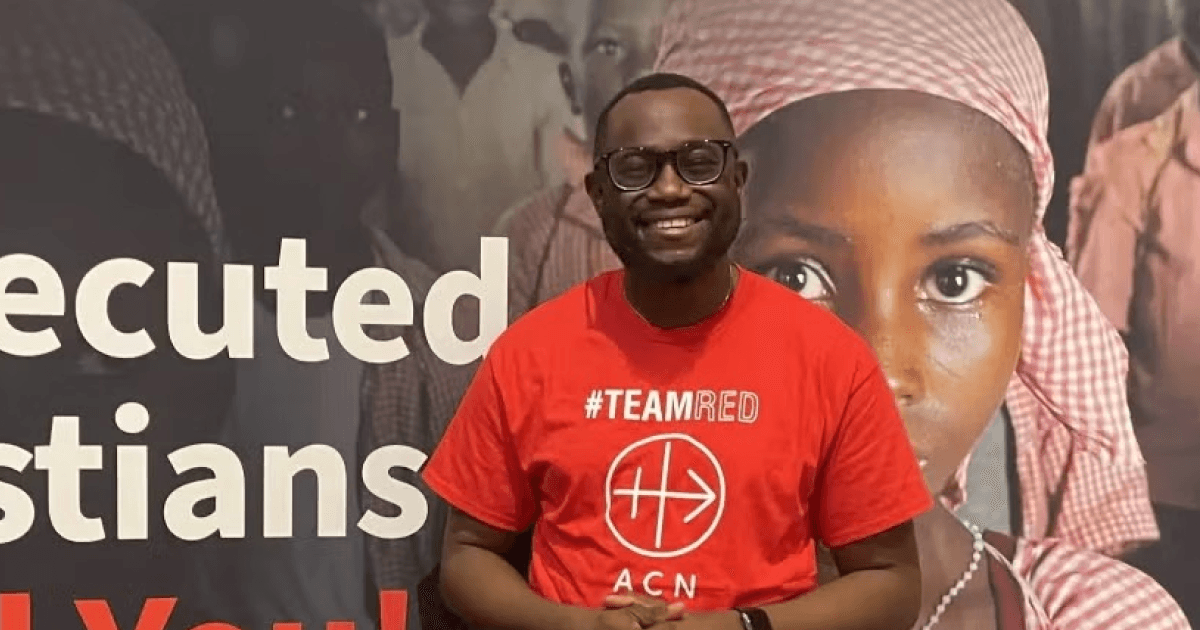 Newsroom
TikTok priest urges young people to stand with persecuted Christians
Nathalie Raffray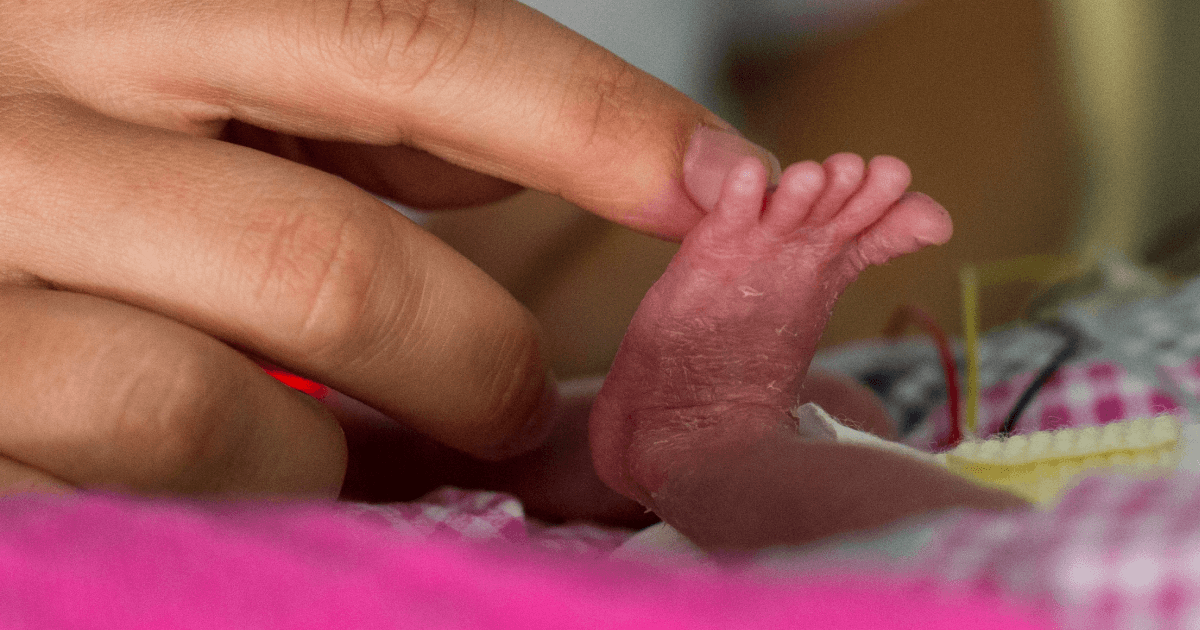 Newsroom
Baby born at 25 weeks reunites with neonatologist two years after leaving hospital
The Catholic Herald Newsroom
Joe Biden honoured by Planned Parenthood after defending abortion rights
Christine Rousselle
subscribe to the catholic herald today
Our best content is exclusively available to our subscribers. Subscribe today and gain instant access to expert analysis, in-depth articles, and thought-provoking insights—anytime, anywhere. Don’t miss out on the conversations that matter most.
Subscribe



