February 9, 2026
February 9, 2026

Germany’s synodal way set to become a permanent structure

Min read
share

The German synodal process moved a step closer to becoming a permanent national structure on Saturday after members of the Synodal Assembly narrowly approved plans for a new Synodal Conference.

Meeting in Stuttgart for the sixth plenary assembly of the synodal way, delegates voted by the required two-thirds majority to endorse a resolution authorising the creation of the new body, which is intended to bring together bishops and lay representatives on a standing basis from the autumn, subject to Vatican approval. The most contentious issue was whether the conference should have a role in monitoring how synodal resolutions are implemented in the country’s dioceses.

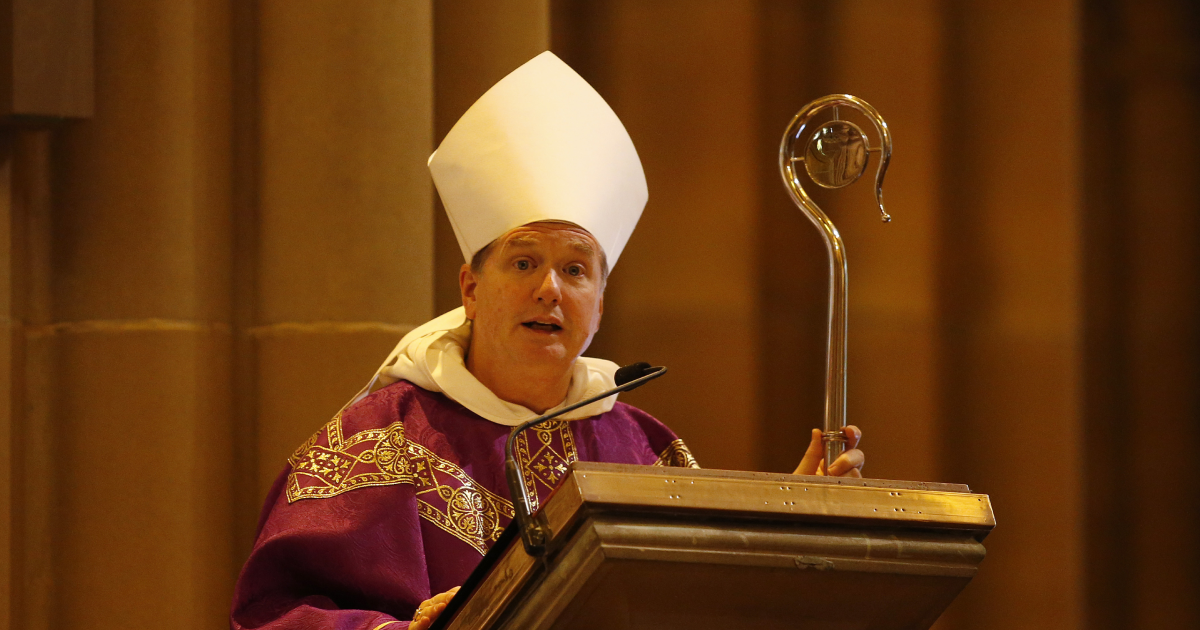
The debate revealed unease even among senior figures closely associated with the synodal project. Cardinal Reinhard Marx, the Archbishop of Munich and Freising and a key architect of the synodal way, warned against creating any structure that could be perceived as a superior authority over diocesan bishops. “I do not want that,” he said, cautioning that such an approach risked confirming criticisms already voiced by the Vatican.

Similar concerns were raised by Bishop Peter Kohlgraf, who argued that a permanent body overseeing bishops would be incompatible with Catholic ecclesiology. He said the tone of discussion following presentations on implementation had been “emotional and accusatory”, and warned against language suggesting that the synodal assembly itself was sovereign.

Other bishops sought to reassure delegates that the proposal would not clash with Rome. Bishop Josef Overbeck said the Holy See had been informed of the plans and that he expected approval within weeks. Asked about the possibility of rejection, Bishop Georg Bätzing, president of the German Bishops’ Conference, said there was no indication that consent was in doubt and ruled out proceeding without it. “We will not begin unless Rome gives the green light,” he said.

The resolution was eventually carried with 122 votes in favour, 11 against and six abstentions, although the margin among bishops was tight. Twenty-one bishops supported the text, ten opposed it and two abstained, just clearing the two-thirds threshold required. Only 33 of the 59 eligible bishops were present, with a number of delegates reportedly leaving early.

The German Bishops’ Conference is due to vote later this month on the statutes of the proposed Synodal Conference, which would then be sent to Rome for approval on an experimental basis. The draft statutes avoid explicit reference to “monitoring”, stressing instead that the new body would respect the constitutional order of the Church and preserve the rights of diocesan bishops and existing episcopal structures.

Alongside the formal debate, several participants complained publicly of what they described as poor communication from Rome, saying letters to the Vatican had gone unanswered and that acknowledgements of receipt had not been forthcoming. Theologian Thomas Söding insisted that, regardless of frustrations, the future of the Church in Germany lay firmly on a synodal path.

The sixth assembly marked the conclusion of what organisers described as the “first phase” of the synodal way, a six-year initiative launched in response to the abuse crisis and formally concluded in 2023. Between 2020 and 2023, earlier assemblies adopted extensive texts calling for changes including the re-examination of priestly celibacy, a greater role for lay people in Church governance, and renewed debate over Catholic teaching on sexuality.

This final gathering focused on how those resolutions have been implemented across Germany’s 27 dioceses, with a study presented to delegates drawing criticism for failing to identify individual dioceses or set clear timelines. The report acknowledged that some synodal texts were unclear in their intent and did not specify responsibility for implementation, complicating any assessment of progress.

The conference argued that its role would be one of accompaniment rather than control, noting that the resolution used the English loanword “monitoren” rather than the stronger German term “kontrollieren”. However, any perception of supervision could provoke renewed intervention from Rome.

The assembly closed with a statement declaring the synodal way a success despite what it described as “tensions, setbacks and crises”. The next decision will come at the bishops’ plenary meeting in Würzburg later this month, where the statutes will be considered and a new conference chairman elected to succeed Bishop Bätzing.

The decisive shift underway is from a time-limited consultative process to a permanent national structure, and it is this transition that has sharpened Vatican concern and episcopal unease. Rome has repeatedly stressed since 2019 that synodal bodies cannot limit a bishop’s authority in his own diocese. The concern is not about dialogue or consultation, but about structures that appear to exercise oversight in a manner resembling accountability mechanisms in secular organisations.
The German synodal process moved a step closer to becoming a permanent national structure on Saturday after members of the Synodal Assembly narrowly approved plans for a new Synodal Conference.

Meeting in Stuttgart for the sixth plenary assembly of the synodal way, delegates voted by the required two-thirds majority to endorse a resolution authorising the creation of the new body, which is intended to bring together bishops and lay representatives on a standing basis from the autumn, subject to Vatican approval. The most contentious issue was whether the conference should have a role in monitoring how synodal resolutions are implemented in the country’s dioceses.

The debate revealed unease even among senior figures closely associated with the synodal project. Cardinal Reinhard Marx, the Archbishop of Munich and Freising and a key architect of the synodal way, warned against creating any structure that could be perceived as a superior authority over diocesan bishops. “I do not want that,” he said, cautioning that such an approach risked confirming criticisms already voiced by the Vatican.

Similar concerns were raised by Bishop Peter Kohlgraf, who argued that a permanent body overseeing bishops would be incompatible with Catholic ecclesiology. He said the tone of discussion following presentations on implementation had been “emotional and accusatory”, and warned against language suggesting that the synodal assembly itself was sovereign.

Other bishops sought to reassure delegates that the proposal would not clash with Rome. Bishop Josef Overbeck said the Holy See had been informed of the plans and that he expected approval within weeks. Asked about the possibility of rejection, Bishop Georg Bätzing, president of the German Bishops’ Conference, said there was no indication that consent was in doubt and ruled out proceeding without it. “We will not begin unless Rome gives the green light,” he said.

The resolution was eventually carried with 122 votes in favour, 11 against and six abstentions, although the margin among bishops was tight. Twenty-one bishops supported the text, ten opposed it and two abstained, just clearing the two-thirds threshold required. Only 33 of the 59 eligible bishops were present, with a number of delegates reportedly leaving early.

The German Bishops’ Conference is due to vote later this month on the statutes of the proposed Synodal Conference, which would then be sent to Rome for approval on an experimental basis. The draft statutes avoid explicit reference to “monitoring”, stressing instead that the new body would respect the constitutional order of the Church and preserve the rights of diocesan bishops and existing episcopal structures.

Alongside the formal debate, several participants complained publicly of what they described as poor communication from Rome, saying letters to the Vatican had gone unanswered and that acknowledgements of receipt had not been forthcoming. Theologian Thomas Söding insisted that, regardless of frustrations, the future of the Church in Germany lay firmly on a synodal path.

The sixth assembly marked the conclusion of what organisers described as the “first phase” of the synodal way, a six-year initiative launched in response to the abuse crisis and formally concluded in 2023. Between 2020 and 2023, earlier assemblies adopted extensive texts calling for changes including the re-examination of priestly celibacy, a greater role for lay people in Church governance, and renewed debate over Catholic teaching on sexuality.

This final gathering focused on how those resolutions have been implemented across Germany’s 27 dioceses, with a study presented to delegates drawing criticism for failing to identify individual dioceses or set clear timelines. The report acknowledged that some synodal texts were unclear in their intent and did not specify responsibility for implementation, complicating any assessment of progress.

The conference argued that its role would be one of accompaniment rather than control, noting that the resolution used the English loanword “monitoren” rather than the stronger German term “kontrollieren”. However, any perception of supervision could provoke renewed intervention from Rome.

The assembly closed with a statement declaring the synodal way a success despite what it described as “tensions, setbacks and crises”. The next decision will come at the bishops’ plenary meeting in Würzburg later this month, where the statutes will be considered and a new conference chairman elected to succeed Bishop Bätzing.

The decisive shift underway is from a time-limited consultative process to a permanent national structure, and it is this transition that has sharpened Vatican concern and episcopal unease. Rome has repeatedly stressed since 2019 that synodal bodies cannot limit a bishop’s authority in his own diocese. The concern is not about dialogue or consultation, but about structures that appear to exercise oversight in a manner resembling accountability mechanisms in secular organisations.
subscribe to
the catholic herald

Continue reading your article with a subscription.
Read 5 articles with our free plan.
Subscribe
share

subscribe to the catholic herald today

Our best content is exclusively available to our subscribers. Subscribe today and gain instant access to expert analysis, in-depth articles, and thought-provoking insights—anytime, anywhere. Don’t miss out on the conversations that matter most.
Subscribe