July 17, 2026

‘God put his hope in us’

Magnificat
More
Related
Min read
share

Morning Prayer is always a good way to start the day, and in Magnificat it is entirely doable. A hymn, a psalm, a brief reading, the Benedictus and some prayers to anchor the day. “God is for us a refuge and strength, a helper close at hand, in time of distress: so we shall not fear though the earth should rock, though the mountains fall into the depths of the sea, even though its waters rage and foam, even though the mountains be shaken by its waves.” Thus runs the introduction to the psalm for Monday, July 13 (p165).

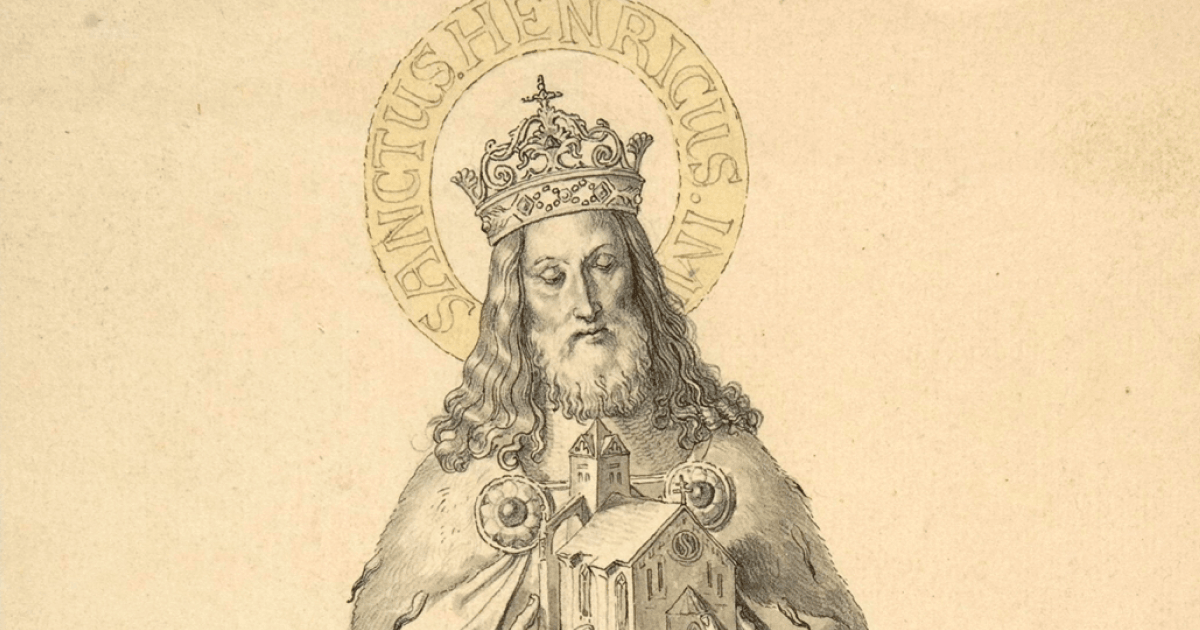
The optional memorial is that of St Henry, Holy Roman Emperor, a man of the world with strong political allegiances who turned to God by the end of his life. He is the patron of Benedictine oblates, a nice echo of last week’s feast of St Benedict. The Gospel contains one of the more challenging sayings of Our Lord.

“Do not think that I have come to bring peace to the earth. I have not come to bring peace, but a sword. For I have come to set a man against his father, and a daughter against her mother, and a daughter-in-law against her mother-in-law. And a person’s enemies will be those enemies will be those of his own household. Whoever loves father or mother more than me is not worthy of me, and whoever loves son or daughter more than me is not worthy of me.”  (Matthew 10:34-37) 

The meditation for that day (p130), by Sister Ruth Burrows OCD, throws light on this difficult passage. “It is not merely a question of being ready to leave those we love to follow our Lord – this is not asked of the majority of his disciples – but all are called to the freedom and detachment he is speaking of. We crave passionately for the security of belonging to and being accepted by others… The only answer is trustful acceptance of our innate littleness, sure of our Lord’s love for us. If we accept, if we are sure of his love, then we do not mind discovering more and more of our inner weaknesses. We know we have an answer in him, we don’t have to find our own answer. He is the only one we have to please and we please him by trusting him.”

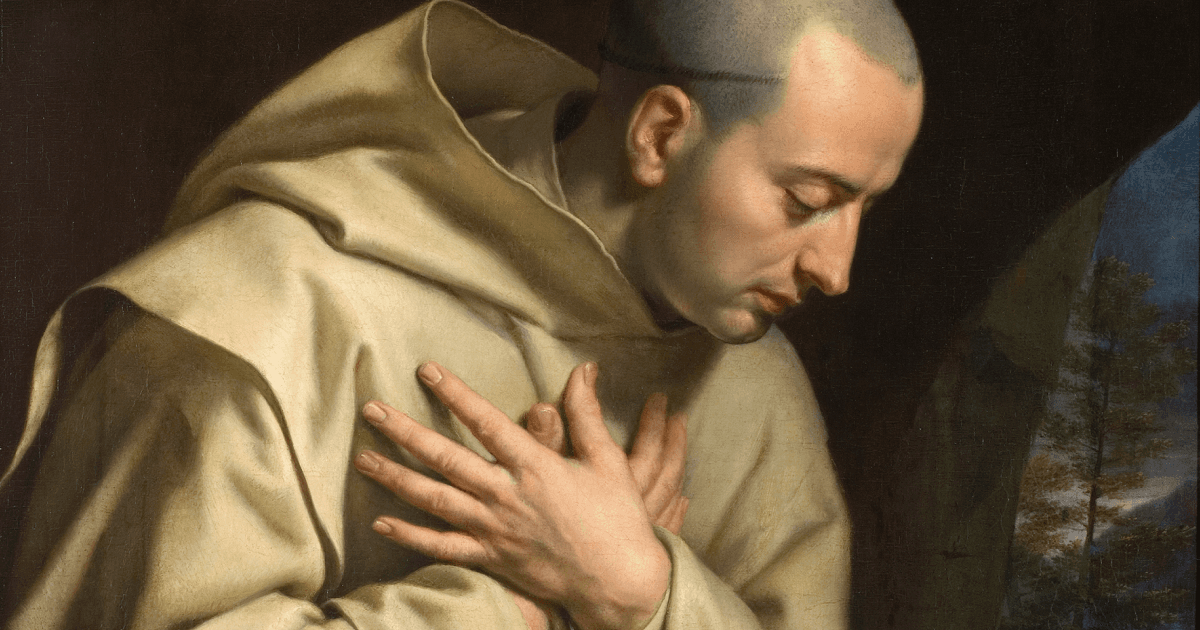
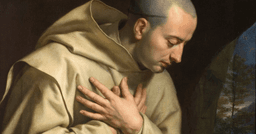
Our ‘Saint Who?’ series continues with some major figures who certainly trusted in the Lord. St Bernard of Clairvaux, that passionate composer of sermons on the Song of Songs, was a superlative teacher of prayer because his own prayer life was so strong. St Thomas Aquinas’s brilliant theological writing was also inspired by his own prayer life and, though we have little direct writing on this aspect of his life, his down-to-earth advice to others is telling.

“In response to a question about how long our prayers should last, he pointed out that we ought to have a continual desire to pray because of our love of God but that we also have work to do. He suggested that our ‘prayer should last long enough to arouse the fervour of the interior desire’, but that when that time had been exceeded and we were becoming weary, ‘it should be discontinued’.”

Wednesday, July 15 is the feast of St Bonaventure, who arguably is to St Francis what St Thomas is to St Dominic. You know a charism by its fruits, as this month’s Great Conversion Story (p186) demonstrates. It tells the fascinating story of Anne Channing Porter, an American 20th-century poet who became a Third Order Franciscan. Dorothy Day was instrumental in her conversion, introducing her to the priest who received her into the Church.

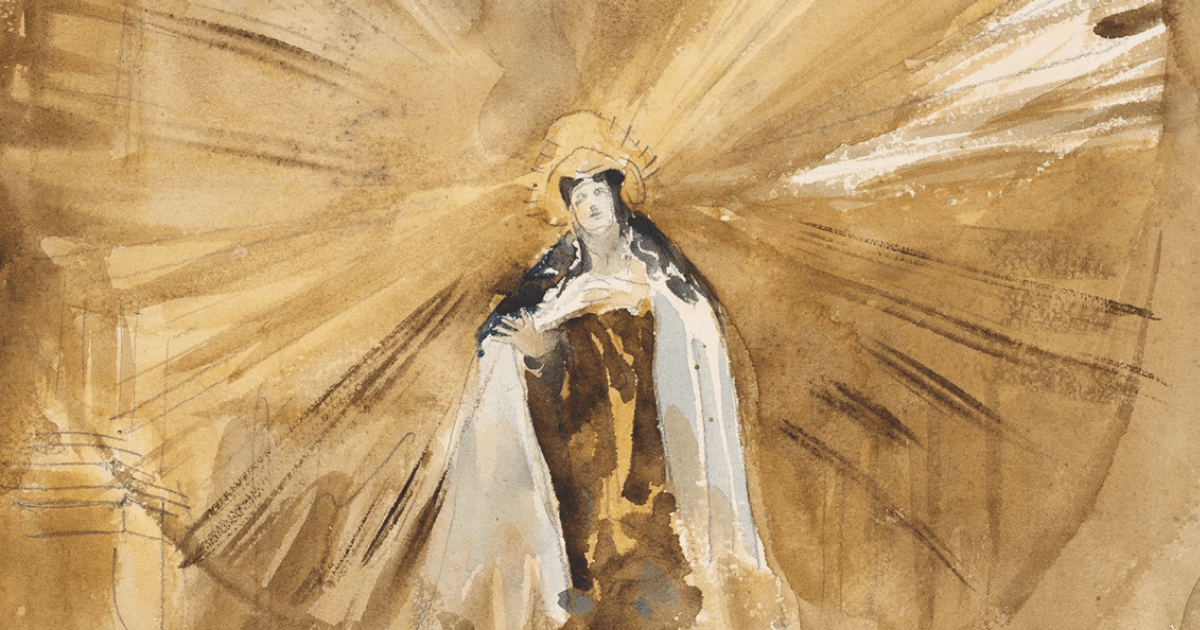
Thursday, July 16 is the optional memorial of Our Lady of Mount Carmel, which commemorates the day in 1251 when the Blessed Mother gave the brown scapular to St Simon Stock. “The scapular is an external sign of the filial relationship established between the Blessed Virgin Mary, Mother and Queen of Mount Carmel, and the faithful who entrust themselves totally to her protection, who have recourse to her maternal intercession, who are mindful of the primacy of the spiritual life and the need for prayer” (Directory on Popular Piety and the Liturgy, 205).

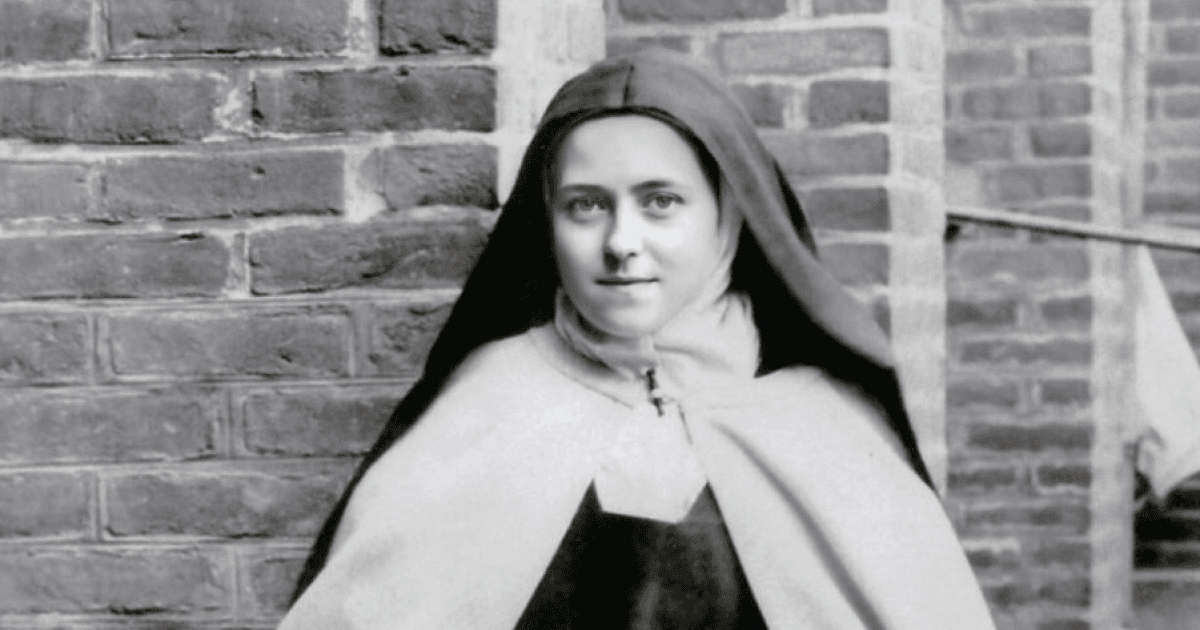
Heather King continues the Carmelite theme (p250), profiling Servant of God Sister Cecilia María of the Holy Face (1973–2016), known as La Carmelita de la Sonrisa (“the Carmelite of the Smile”), who demonstrated heroic virtue while dying at the age of 42 from cancer. Such virtue is only possible if one is deeply aware of the mercy of God, otherwise known as devotion to the Sacred Heart (another Saint Who? this week introduces St Gertrude, a notable forerunner of that devotion). We often celebrate votive Masses of the Sacred Heart on Fridays, and on Friday, July 17 we have one of these. The Gospel contains the inspiring words of Jesus about His own nature: “I tell you, something greater than the Temple is here. And if you had known what this means, ‘I desire mercy, and not sacrifice’, you would not have condemned the guiltless. For the Son of Man is lord of the Sabbath.” (Matthew 12:6–8.)

On Sunday, July 19, we conclude the week with the great parable of the wheat and tares from Matthew 13, reminding us again that the judgement of God is a long-term business. Our response to this mercy is underlined by the meditation for Saturday, July 18 from Charles Péguy:

It is God who gave us a chance, who put his trust in us.
Who gave us credence, who had faith in us.
Will this confidence be misplaced, will it be said
that this confidence was misplaced?
God put his hope in us.
He took the initiative.
He hoped that the least of sinners,
that the tiniest of sinners would at least work
a little for his own salvation.
Just a little, as poorly as it might be.
That he would look after it a bit…
He hoped in us,
Will it be said that we didn’t hope in him?

Magnificat is a spiritual guide to help you develop your prayer life, grow in your spiritual life, find a way to a more profound love for Christ, and participate in the holy Mass with greater fervour. If you are in the UK, you can subscribe here.

Continue reading with a free account

Create a free account to read up to five articles each month
Create free account

You have # free articles remaining this month.

Subscribe to get unlimited access.
Sign up

subscribe to the catholic herald today

Our best content is exclusively available to our subscribers. Subscribe today and gain instant access to expert analysis, in-depth articles, and thought-provoking insights—anytime, anywhere. Don’t miss out on the conversations that matter most.
Subscribe