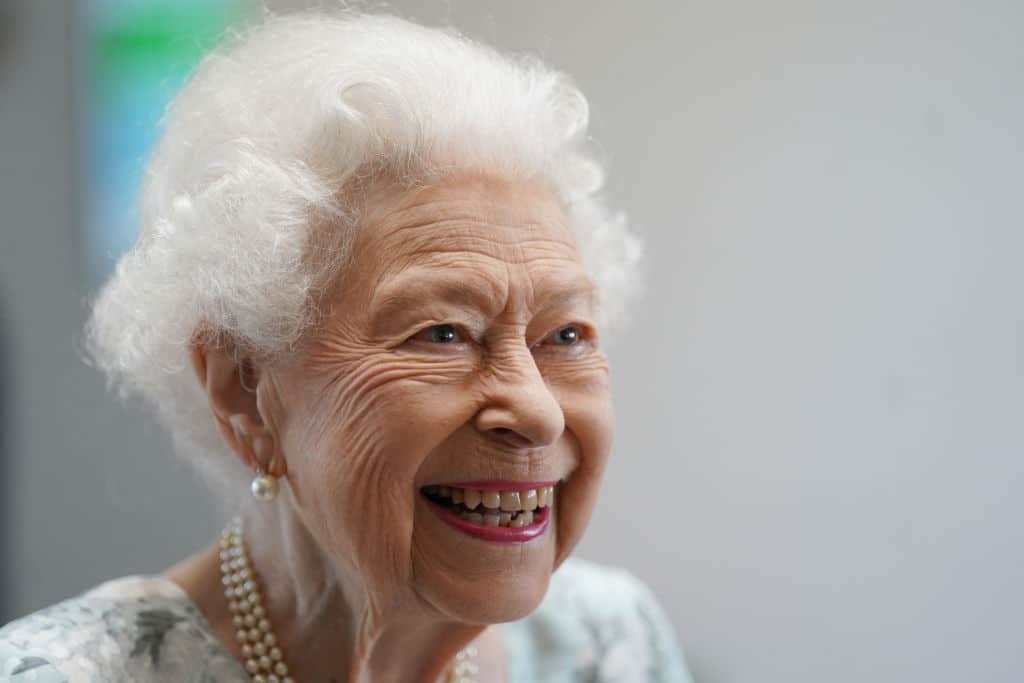






The death of Queen Elizabeth II will surely be measured in superlatives. The length of her reign, the affection in which she was held, and the influence she exercised not only in the United Kingdom but throughout the world are the most obvious areas that will command near-universal gratitude. The facts are well known and have been celebrated annually as they ticked over in a steady accumulation; no other British monarch has reigned for longer.
In world history only Louis XIV surpassed her, having succeeded as little more than a babe-in-arms. The significance of the late Queen’s reign, however, is as substantial as the measurement of its longevity and her popularity. Historians may well use the date of her death as the measure of the end of an era, but not just as part of a cycle succeeding the Georgian, Victorian and Edwardian periods. The second Elizabethan age will be seen to have closed in conjunction with the fall of a culture and perhaps even a civilisation.