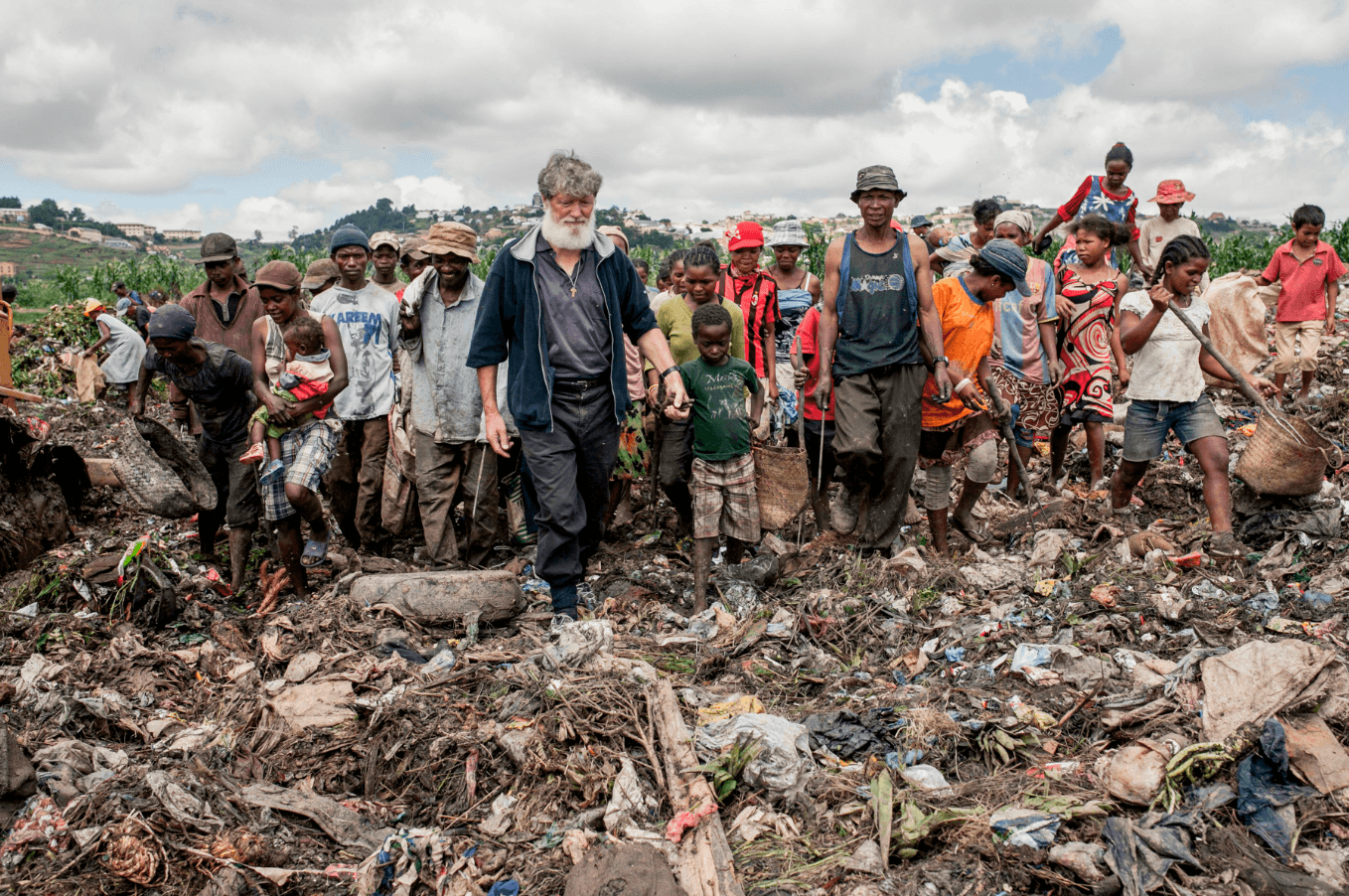




"Poverty is not inevitable!" So declared the Holy Father on his visit to Madagascar, the poor island-nation of some 26 million people in the Indian Ocean. Pope Francis made his declaration when visiting Akamasoa, a community built upon a former garbage dump where people once foraged for food. Now there are nearly 30,000 people who live in 5,000 locally built homes in a combination of entrepreneurship and philanthropy organised by an extraordinary missionary from Argentina, Fr Pedro Opeka.
The Holy Father’s declaration is remarkable. Pope Francis spoke truly, but it has only been true relatively recently. For most of human history, for most people, poverty was inevitable. Only recently, in the 17th-century, did mass populations achieve sustained economic growth; economic stagnation was the norm before that. Actually, economic stagnation only became a concept when there was an alternative, namely economic growth.