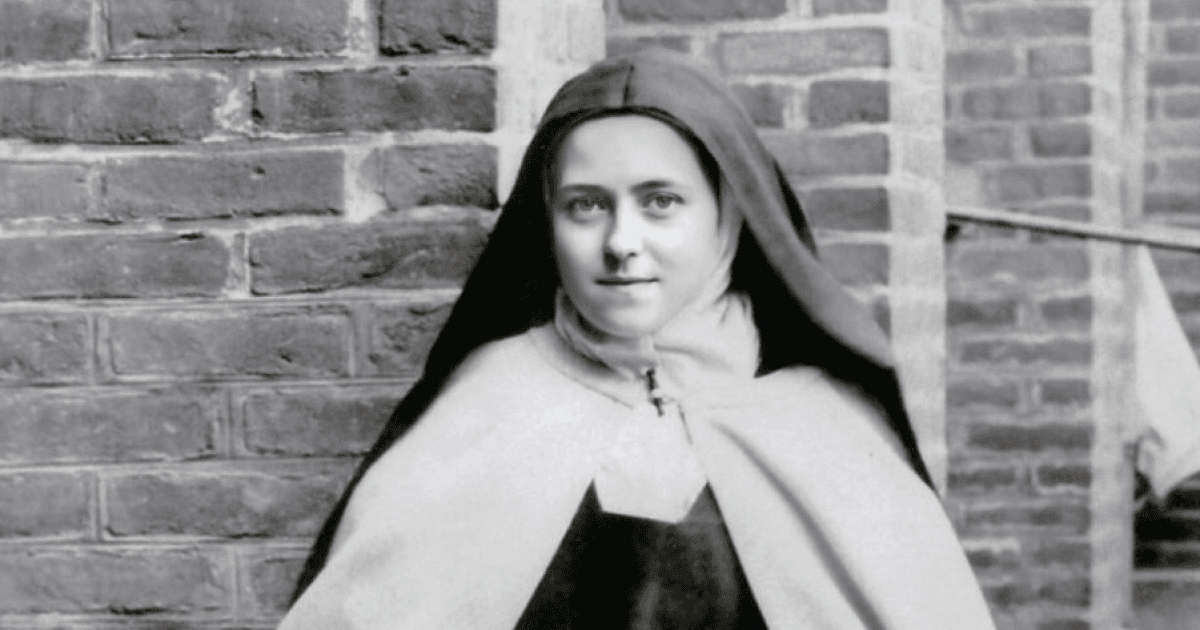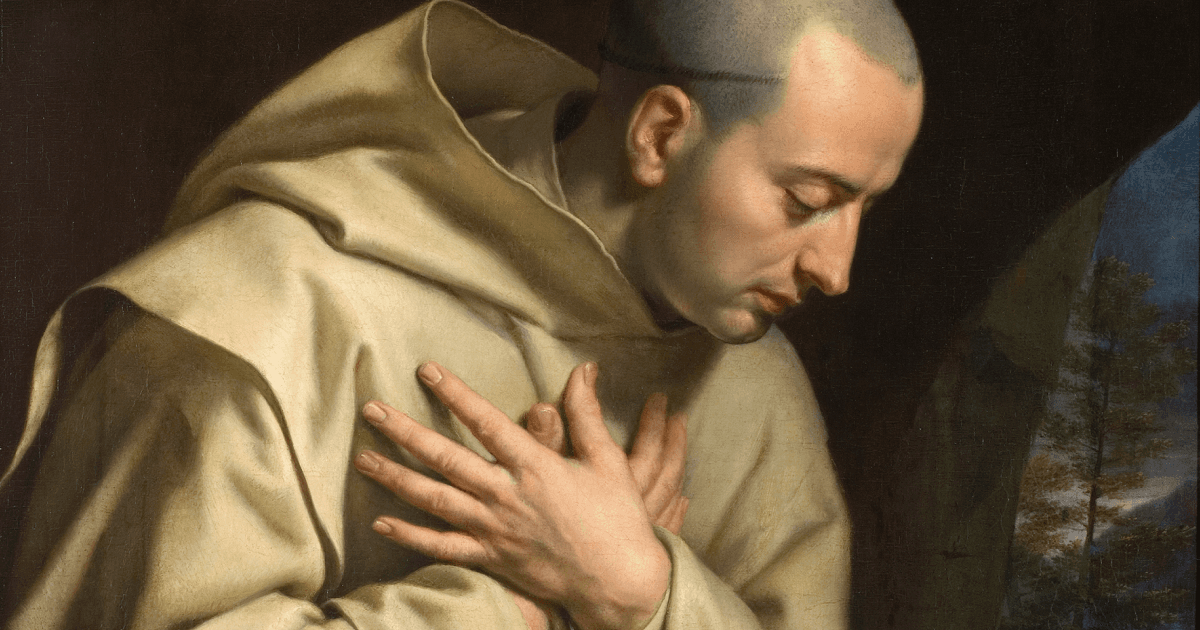
It’s always good to get to know a lesser-known saint, and this week opens with one such, Saint Apollinaris, said to be a disciple of Saint Peter (we find his story on p 290). Like many early saints, he was responsible for many healings, a reliable sign of sanctity. Yet the Gospel for Monday reminds us that even Our Lord’s ability to heal and work other miracles did not suffice to convince his sceptical contemporaries.
At that time: Some of the scribes and Pharisees answered Jesus, saying, “Teacher, we wish to see a sign from you.” But he answered them, “An evil and adulterous generation seeks for a sign, but no sign will be given to it except the sign of the prophet Jonah. For just as Jonah was three days and three nights in the belly of the great sea creature, so will the Son of Man be three days and three nights in the heart of the earth.
“The men of Nineveh will rise up at the judgement with this generation and condemn it, for they repented at the preaching of Jonah, and behold, something greater than Jonah is here. The queen of the South will rise up at the judgement with this generation and condemn it, for she came from the ends of the earth to hear the wisdom of Solomon, and behold, something greater than Solomon is here.” (Matthew 12:38–42)
The meditation for this day, from Jean-Pierre de Caussade, drives this point about faith home. “There is no moment when God does not present himself under the guise of some suffering, some consolation, or some duty. All that occurs within us, around us, and by our means covers and hides his divine action. His action is there, most really and certainly present, but in an invisible manner, the result of which is that we are always being taken by surprise and we only recognise his operation after it has passed. If we could pierce the veil and be vigilant and attentive, God would reveal himself continuously to us and we would rejoice in his action in everything that happens to us.”
The Saint Who? series continues with a couple of great Reformation-era saints. First of all, Saint Robert Bellarmine (p 298), whose Controversies was so persuasive that it was an offence to own it in Elizabethan England. He also wrote The Mind’s Ascent to God by the Ladder of Created Things, which took all the elements of creation as signs of God’s presence and inspiration to prayer.
The second great Reformation-era apologist featured in the Saint Who? series this week is Saint Francis de Sales (p 309), one of the greatest spiritual directors the Church has produced. His writing on prayer is full of insight into human nature. “Prayer opens the understanding to the brightness of divine light, and the will to the warmth of heavenly love—nothing can so effectually purify the mind from its many ignorances, or the will from its perverse affections.”
Another Saint Who? this week is Saint Claude la Colombière, SJ (p 343), who was the director of Saint Margaret Mary Alacoque and thus closely connected to devotion to the Sacred Heart of Jesus. After his time in Paray-le-Monial, Saint Claude was sent to England to serve as preacher to the French Catholic Duchess of York. “He brought many English Protestants back to the faith. During a period of anti-Catholic hysteria, he was imprisoned and became seriously ill. Although he was eventually released, his death two years later is generally attributed to the poor treatment he received in prison.”
On Tuesday we celebrate Saint Lawrence of Brindisi, with a meditation from him (p 305). “To do the will of God means to observe and keep the precepts of God’s law…. The one who does the will of my Father in heaven is my brother and sister and mother. But if someone is a brother of Christ, then he is also a son of God and heir, an heir of God and a joint heir with Christ…. Where is there a treasure that can compare to this: To be adopted as a child and heir of God, the supreme king and ruler of the entire universe, and to be made a brother and coheir with Christ?”
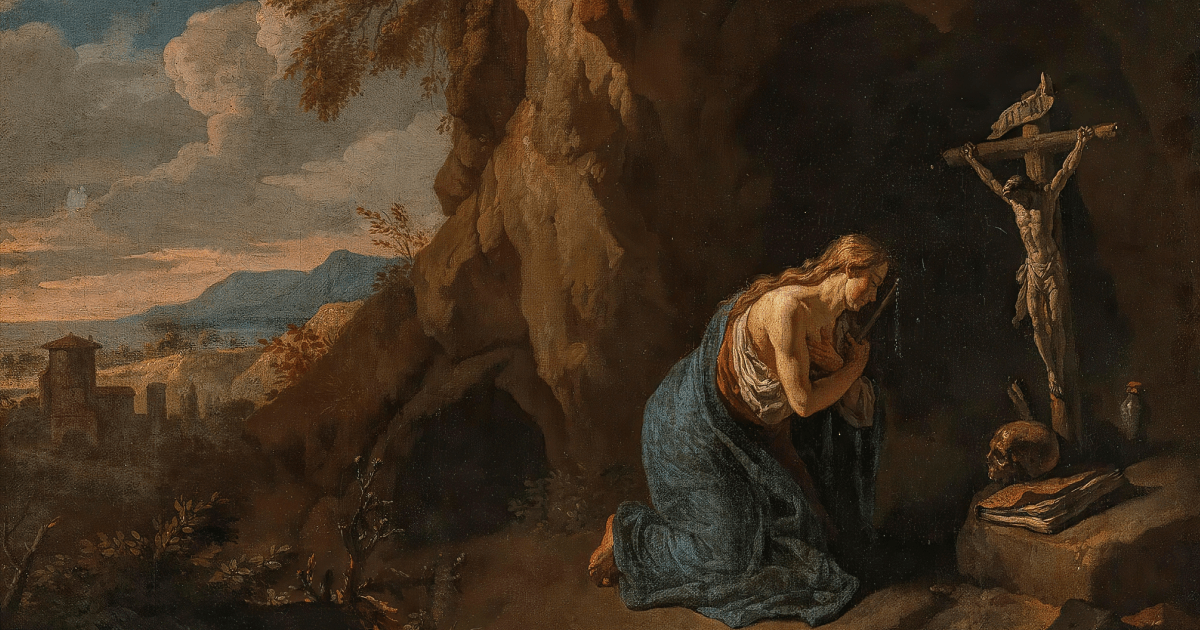
On Wednesday and Thursday two great women saints stand back to back: Saint Mary Magdalene and Saint Bridget of Sweden. The former was among the first followers of Christ and, as the introduction to the Mass for her feast tells us: “Tradition names Mary Magdalene ‘the apostle to the Apostles’: ‘Just as a woman had announced the words of death to the first man, so also a woman was the first to announce to the apostles the words of life.’” (Saint Thomas Aquinas). Thirteen centuries later, the great foundress of the Bridgetine Order devoted herself equally wholeheartedly to the mission that Christ entrusted to her, notably the healing of the schism that saw the papacy exiled to Avignon. Both saints are inspiring examples of how women’s clarity of vision and desire for unity in the Church can alter the course of history in line with the words spoken by Jesus.
“I am the vine; you are the branches. Whoever abides in me and I in him, he it is that bears much fruit, for apart from me you can do nothing. If anyone does not abide in me he is thrown away like a branch, and withers; and the branches are gathered, thrown into the fire, and burned. If you abide in me, and my words abide in you, ask whatever you wish, and it will be done for you. By this my Father is glorified, that you bear much fruit and so prove to be my disciples.” (John 15:5–8)
Friday brings us the optional memorial of Saint Charbel Makhlūf, one of the great religious figures of Lebanon, whom Pope Paul VI called “an admirable flower of sanctity blooming on the stem of the ancient monastic traditions of the East”. This would be a good moment to pray for his intercession and protection for that much-tried country.
Saturday is the feast of Saint James, one of the “sons of thunder” and brother of Saint John. The Gospel for the day recounts how their mother requested privileged seats for her sons, at the right and left hand of Jesus. The Lord’s response gives us one of his most memorable instructions.
“But whoever would be great among you must be your servant, and whoever would be first among you must be your slave, even as the Son of Man came not to be served but to serve, and to give his life as a ransom for many.” (Matthew 20:27–28)
Perhaps the humble faithfulness that the Lord asks of us is best exemplified by the hymn we are given for the feast of Saint Mary Magdalene.
Mary cries,
Lift up your hearts and dry your eyes,
Jesus is risen—come and see—
and goes before to Galilee.
All glory be to God above,
for Mary’s apostolic love,
all praise to God whom we adore
for ever and for evermore. Amen.
Magnificat is a spiritual guide to help you develop your prayer life, grow in your spiritual life, find a way to a more profound love for Christ, and participate in the holy Mass with greater fervour. If you are in the UK, you can subscribe here.