
March 20, 2026

Jerusalem patriarch issues warning on war in the Middle East

The Catholic Herald
More
Related
Min read
share

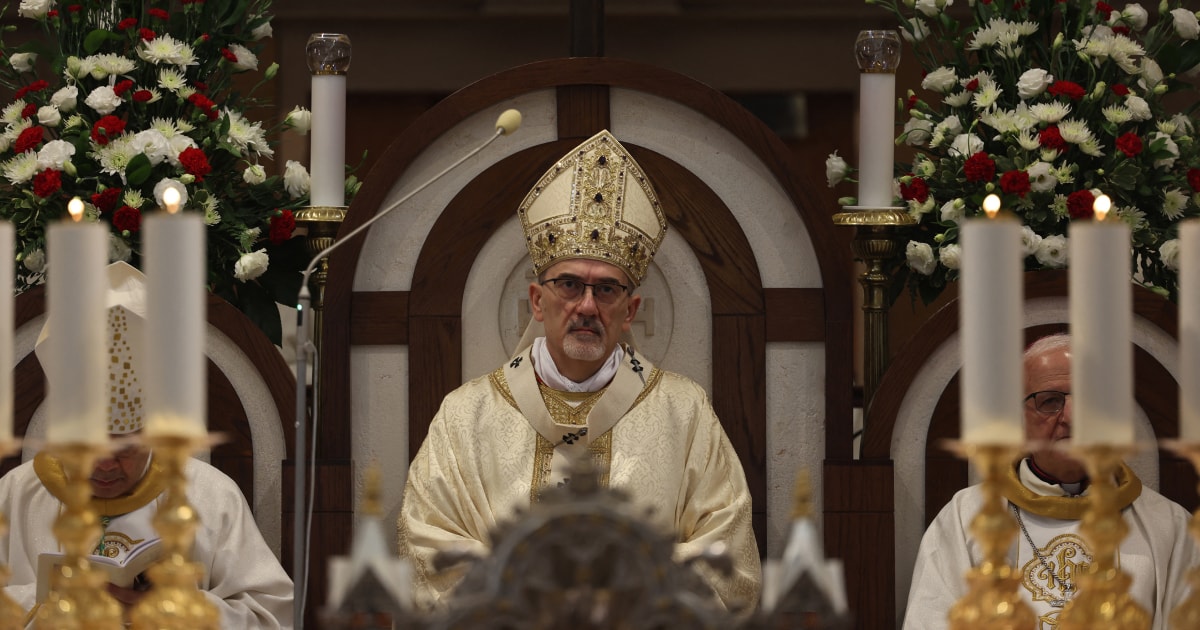
The Latin Patriarch of Jerusalem has issued a stark warning against the use of religious language to justify conflict in the Middle East.

Speaking during a webinar organised by the Oasis Foundation, Cardinal Pizzaballa said that invoking God in support of military action risks turning religion into a tool of political interest. “The abuse and manipulation of God’s name to justify this and any other war is the gravest sin we can commit at this time,” he said.

He added that war “is first and foremost political and has very material interests, like most wars”, urging believers to resist narratives that cloak violence in religious meaning.
His intervention follows remarks by US Secretary of Defense Pete Hegseth, who cited Psalm 144 during a Pentagon briefing. Cardinal Pizzaballa rejected any suggestion of a religious framing of the conflict. “We need to say that no, there are no new crusades,” he said. “If God is present in this war, He is among those who are dying, who are suffering, who are in pain, who are oppressed in various ways, throughout the Middle East – I am not saying on one side or the other.”

Hegseth’s remarks were delivered on March 10 during a Pentagon press briefing alongside the Chairman of the Joint Chiefs of Staff, following a visit to Dover Air Force Base. Closing his statement, he invoked Psalm 144, saying: “Blessed be the Lord, my rock, who trains my hands for war and my fingers for battle,” and added a prayer that God would grant strength and protection to American troops and “total victory over those who seek to harm them.”

The patriarch acknowledged that the conflict in the Middle East has religious overtones but insisted these are being misused. “This conflict has religious connotations, but they are manipulations: those who wish to bring religion into it exploit the name of God,” he said, drawing a distinction between genuine faith and what he described as “pseudo-religious language”.

He also pointed to the situation in Gaza and the West Bank, where conditions remain severe despite diminishing international attention. “Gaza is no longer being discussed, but the situation remains dire from a humanitarian perspective,” he said, noting that millions remain displaced and infrastructure has largely been destroyed.

He outlined a continuing political deadlock that has prevented progress towards resolution. The situation, he said, remains “a sort of vicious circle”: without disarmament there can be no withdrawal, and without withdrawal no disarmament. This impasse has left the region effectively frozen, with no clear path forward.

In the West Bank, the patriarch reported a steady deterioration in conditions, including frequent attacks on Palestinian communities and increasing restrictions on movement. Checkpoints have multiplied and access permits have been widely curtailed, making daily life more difficult. He also highlighted recent administrative measures affecting property registration and education, warning of their potential impact on Christian communities.

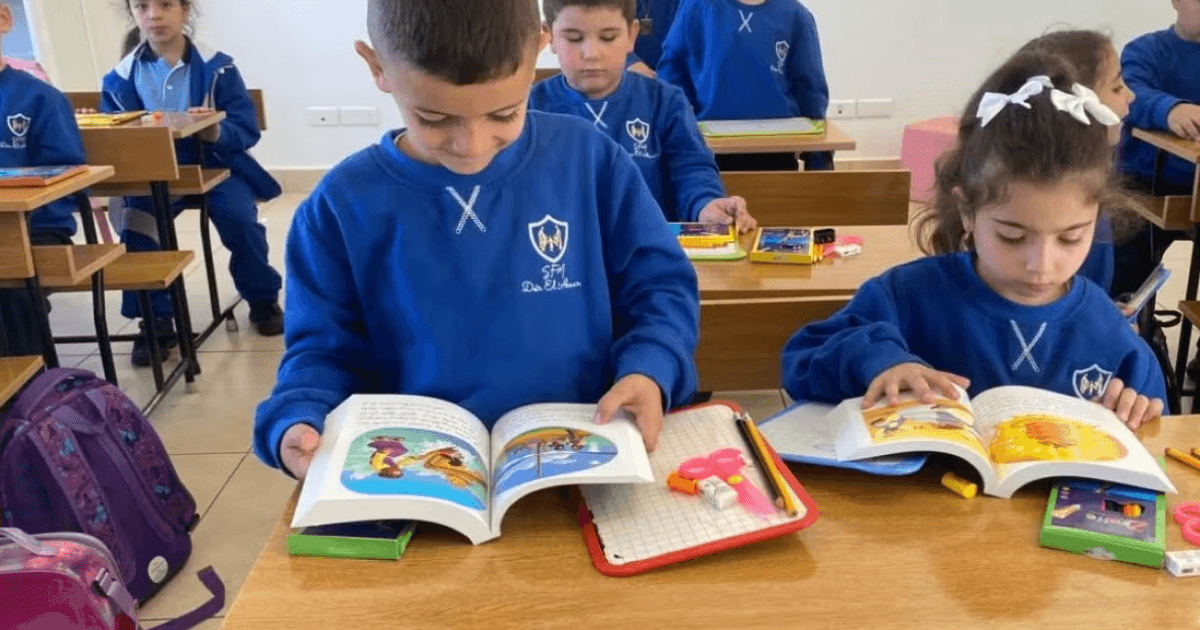
Among these concerns is the effect on schools, where staffing has been disrupted by new restrictions on movement. The patriarch noted that many teachers are unable to reach their workplaces, creating both financial strain for families and practical challenges for institutions.

Cardinal Pizzaballa also turned to the role of the media, describing information itself as a component of the conflict. “Communication is part of the conflict; it is a way of making it known but also of justifying it, of making it acceptable,” he said. He urged journalists not only to report events but to scrutinise them critically.

The patriarch’s intervention echoes repeated appeals for peace from the Holy See, including recent statements by Pope Leo XIV calling for an end to violence. Cardinal Pizzaballa acknowledged the difficulty of such appeals gaining traction. “We know full well that the Pope’s appeal is very true, but also that it will fall on deaf ears,” he said. Nevertheless, he insisted on the importance of continuing to speak out. “What use is a Church if not to speak of a reality that does not yet exist?”

The Latin Patriarch of Jerusalem has issued a stark warning against the use of religious language to justify conflict in the Middle East.

Speaking during a webinar organised by the Oasis Foundation, Cardinal Pizzaballa said that invoking God in support of military action risks turning religion into a tool of political interest. “The abuse and manipulation of God’s name to justify this and any other war is the gravest sin we can commit at this time,” he said.

He added that war “is first and foremost political and has very material interests, like most wars”, urging believers to resist narratives that cloak violence in religious meaning.
His intervention follows remarks by US Secretary of Defense Pete Hegseth, who cited Psalm 144 during a Pentagon briefing. Cardinal Pizzaballa rejected any suggestion of a religious framing of the conflict. “We need to say that no, there are no new crusades,” he said. “If God is present in this war, He is among those who are dying, who are suffering, who are in pain, who are oppressed in various ways, throughout the Middle East – I am not saying on one side or the other.”

Hegseth’s remarks were delivered on March 10 during a Pentagon press briefing alongside the Chairman of the Joint Chiefs of Staff, following a visit to Dover Air Force Base. Closing his statement, he invoked Psalm 144, saying: “Blessed be the Lord, my rock, who trains my hands for war and my fingers for battle,” and added a prayer that God would grant strength and protection to American troops and “total victory over those who seek to harm them.”

The patriarch acknowledged that the conflict in the Middle East has religious overtones but insisted these are being misused. “This conflict has religious connotations, but they are manipulations: those who wish to bring religion into it exploit the name of God,” he said, drawing a distinction between genuine faith and what he described as “pseudo-religious language”.

He also pointed to the situation in Gaza and the West Bank, where conditions remain severe despite diminishing international attention. “Gaza is no longer being discussed, but the situation remains dire from a humanitarian perspective,” he said, noting that millions remain displaced and infrastructure has largely been destroyed.

He outlined a continuing political deadlock that has prevented progress towards resolution. The situation, he said, remains “a sort of vicious circle”: without disarmament there can be no withdrawal, and without withdrawal no disarmament. This impasse has left the region effectively frozen, with no clear path forward.

In the West Bank, the patriarch reported a steady deterioration in conditions, including frequent attacks on Palestinian communities and increasing restrictions on movement. Checkpoints have multiplied and access permits have been widely curtailed, making daily life more difficult. He also highlighted recent administrative measures affecting property registration and education, warning of their potential impact on Christian communities.

Among these concerns is the effect on schools, where staffing has been disrupted by new restrictions on movement. The patriarch noted that many teachers are unable to reach their workplaces, creating both financial strain for families and practical challenges for institutions.

Cardinal Pizzaballa also turned to the role of the media, describing information itself as a component of the conflict. “Communication is part of the conflict; it is a way of making it known but also of justifying it, of making it acceptable,” he said. He urged journalists not only to report events but to scrutinise them critically.

The patriarch’s intervention echoes repeated appeals for peace from the Holy See, including recent statements by Pope Leo XIV calling for an end to violence. Cardinal Pizzaballa acknowledged the difficulty of such appeals gaining traction. “We know full well that the Pope’s appeal is very true, but also that it will fall on deaf ears,” he said. Nevertheless, he insisted on the importance of continuing to speak out. “What use is a Church if not to speak of a reality that does not yet exist?”

subscribe to
the catholic herald

Continue reading your article with a subscription.
Read 5 articles with our free plan.
Subscribe

subscribe to the catholic herald today

Our best content is exclusively available to our subscribers. Subscribe today and gain instant access to expert analysis, in-depth articles, and thought-provoking insights—anytime, anywhere. Don’t miss out on the conversations that matter most.
Subscribe