


Mexico’s Catholic Church is mobilising opposition to a proposed euthanasia bill gaining traction in the country’s Senate, as lawmakers, activists and Church leaders clash over end-of-life care following renewed debate in April 2026.
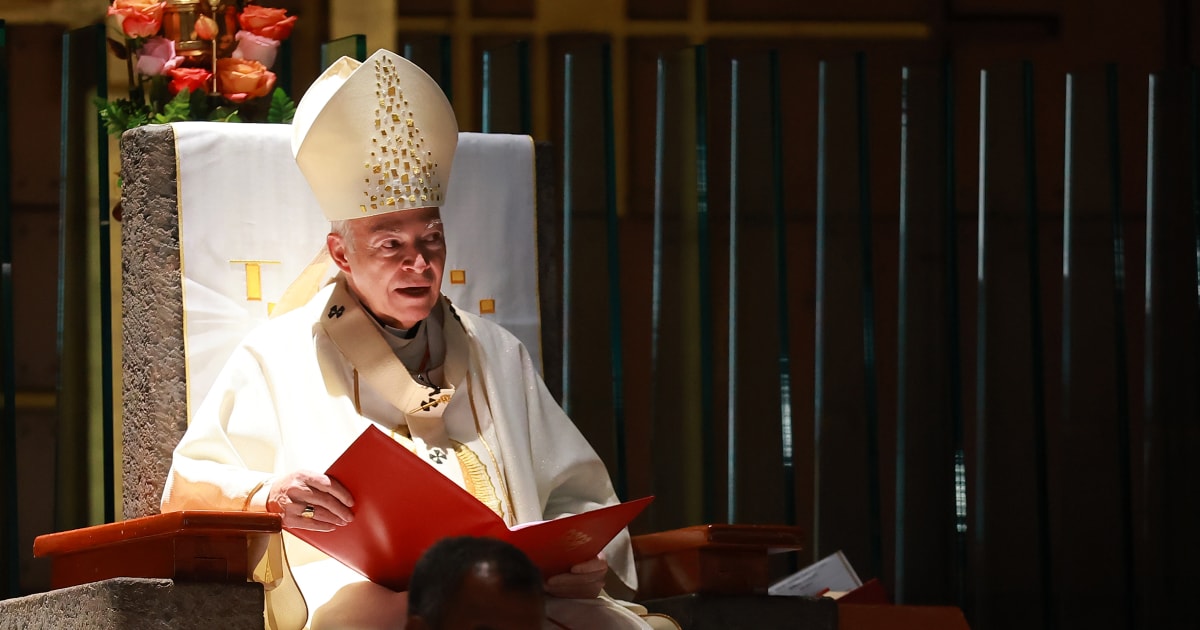
At least 2,000 demonstrators gathered in Mexico City on April 25 for the annual March for Life, where participants protested both the legacy of abortion decriminalisation in the capital and the prospect of legalising euthanasia. The Archdiocese of Mexico City had urged Catholics to attend, warning in an editorial that “abortion, euthanasia and suicide are plagues that strike our humanity under the guise of being valid alternatives in the face of suffering”, while also emphasising the need for compassion towards those in distress.
The current legislative push centres on a bill introduced by activist Samara Martínez, who suffers from multiple incurable conditions and has undergone two failed kidney transplants. Her proposal, which has attracted the backing of more than 128,000 citizens and 2,000 healthcare professionals, would allow euthanasia under regulated conditions, requiring approval from both family members and a bioethics committee. It also provides for the continued availability of palliative care alongside any authorised procedure.
Support for the measure appears to be growing among lawmakers. Senator Emmanuel Reyes Carmona of the ruling Morena party has said that most of his colleagues favour the bill, citing research suggesting that up to 70 per cent of Mexicans support euthanasia in principle.
Church representatives, however, dispute that assessment and argue that Mexico’s cultural and familial traditions remain strongly opposed to the practice. Fr Alejandro Álvarez, of the National Life Pastoral Ministry, said the country’s social fabric is rooted in caring for the elderly and the sick, and insisted that the Church would continue to advocate for life while promoting alternatives such as palliative care.
Catholic healthcare advocates have also raised concerns about the state of end-of-life care in Mexico. Sr Susana Lúa, a physician and palliative care specialist in Guadalajara, said that only around 1.5 per cent of those in need currently have access to such services. She argued that inadequate pain management and support can lead patients to consider euthanasia, noting that many who initially request it change their minds once proper care is provided.
The debate comes after a failed attempt to legalise euthanasia in Mexico in 2023 and follows broader regional trends, with assisted suicide legalised in Colombia in 2022 and euthanasia approved in Ecuador in 2024. While no vote has yet been scheduled, the renewed legislative momentum suggests the issue will remain a focal point of political and moral debate in the months ahead.
.jpg)

.jpg)
.jpg)