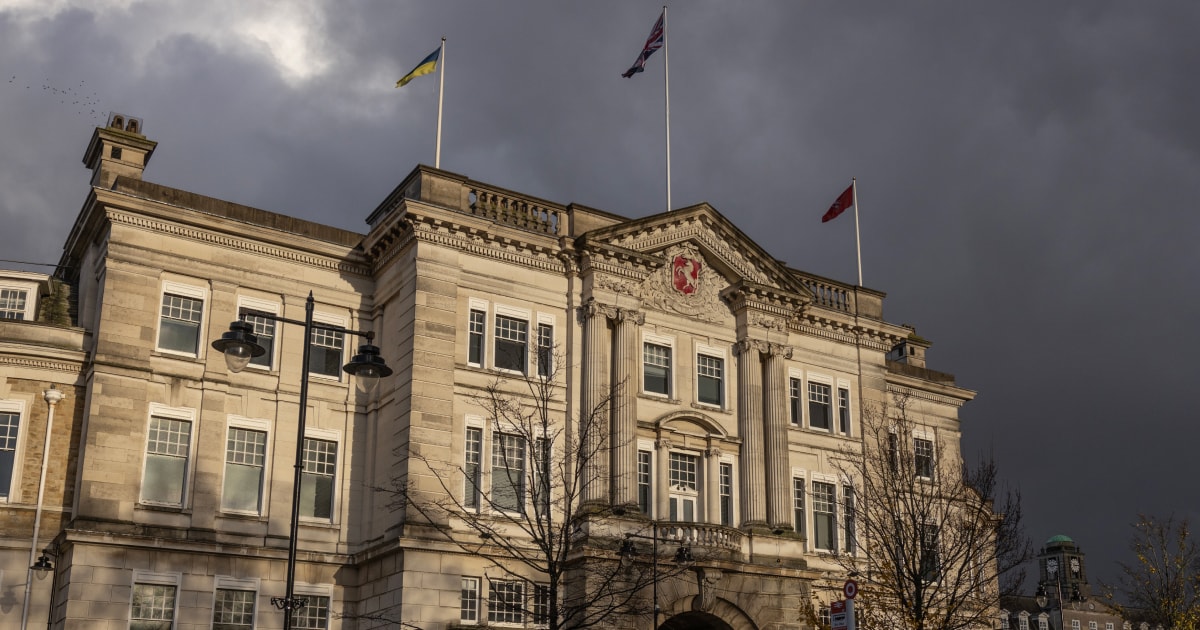




A major English county council is considering proposals to begin sittings with the Lord’s Prayer. Earlier this month Kent County Council’s Selection and Member Services Committee voted to recommend procedural changes under which the prayer would be recited at the start of full council meetings and the national anthem sung at their conclusion. The proposals will now go before the full council.
Kent is the largest county council in England by population, serving around 1.6 million people, and came under Reform UK control following the local elections in May last year. The proposals emerged during wider discussions about procedural changes at the authority and quickly exposed divisions between Reform UK councillors and the opposition groups.

Among the measures under discussion were changes to speaking times at full council meetings, including a one-minute reduction in opposition response time. It was the proposal for prayers and the national anthem, however, which dominated proceedings.
The plans were championed by Reform UK councillors and supported by members of the smaller Restore Britain grouping. Richard Palmer, the Reform chairman of the council, defended the proposal less on theological than cultural grounds.
“We are a Christian nation,” he told councillors. “We may not all practise that faith and we could always come together with all faiths.”
Palmer later defended the proposal to sing the national anthem at the close of meetings. “There is nothing wrong with being loyal to the Crown, nothing wrong with being loyal to this country,” he said, referring to citizenship ceremonies in which people “from many different backgrounds” willingly sang the anthem.
Restore Britain councillor Maxine Fothergill also spoke in favour of the changes, saying councils on which she had previously served traditionally opened proceedings with prayers led by clergy. “I do not see a problem with this and if members do not agree with it they are welcome to sit it out and come in when the clergy have finished.”
Opposition came from across the political spectrum on the council. Green Party leader Mark Hood argued that the proposals did not reflect the religious character of modern Kent. Citing census figures showing fewer than half of Kent residents identify as Christian while around 40 per cent profess no religion, Hood described the proposals as “absolutely bonkers” and dismissed the anthem proposal saying “We are talking about full council, not the Last Night of the Proms.”
Andrew Kennedy, leader of the Conservative group, declared an interest because his civil husband is an ordained vicar in the Church of England, though he stressed that he himself was agnostic. “I am an agnostic and I was elected as an agnostic, not as a representative of any faith community,” he said. Kennedy also accused the Reform administration of using the national anthem debate to distract attention from more substantive issues facing the authority.
Liberal Democrat group leader Antony Hook objected that the prayer proposal was “really inappropriate”.
Many local authorities continue to open meetings with prayers or moments of reflection. Following legal disputes in the early 2010s, Parliament passed the Local Government (Religious etc Observances) Act 2015, confirming councils’ powers to include prayers or other religious observance within meetings.
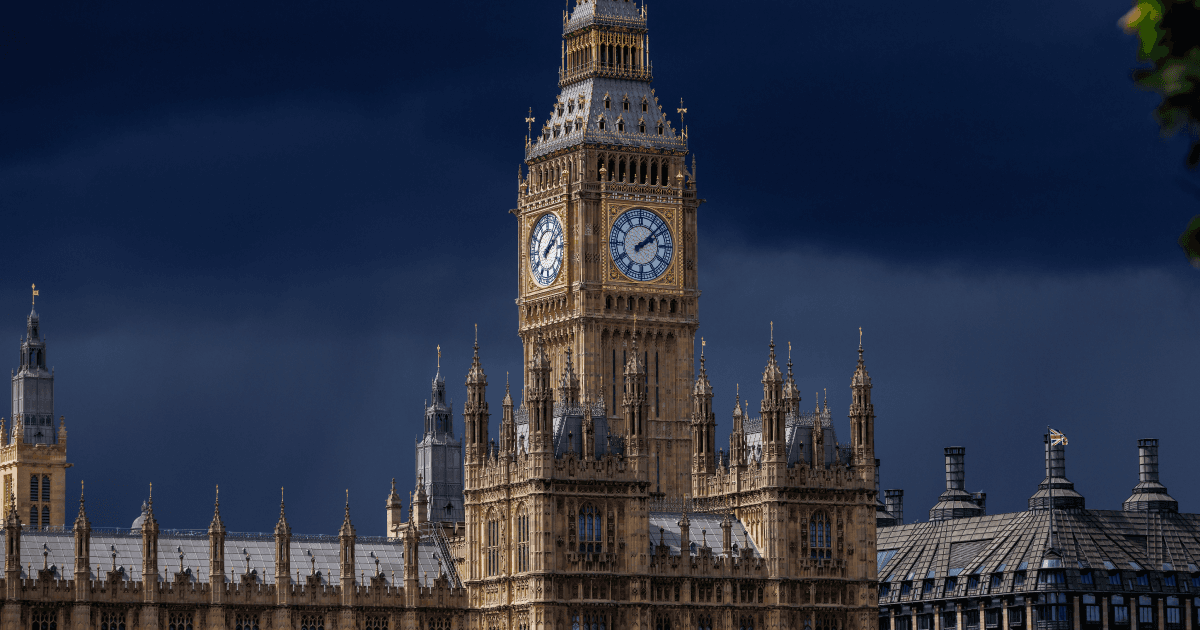
The House of Commons itself has opened proceedings with the same prayer since the Restoration. These take place at the formal start of the day’s sitting led by the Speaker’s Chaplain and are not televised.
Practice varies considerably between local authorities. Some continue to hold prayers before meetings formally begin; others conduct them immediately before the public livestream commences; others have abolished them altogether. In several authorities where prayers continue, cameras are not active during the observance itself.
The committee’s vote does not itself alter council procedure. The recommendations must now go before a future meeting of the full county council, where councillors will decide whether to adopt the proposed constitutional changes.
If approved, Kent would join a number of English councils which continue to begin proceedings with prayers or religious observance. The dispute over livestreaming, however, together with the monitoring officer’s warning of possible legal consequences, means the final form of any new arrangements remains uncertain.

.jpg)

.jpg)
.jpg)


.jpg)