

May 14, 2026

Bagnasco says Benedict’s exclusion from Sapienza was a ‘disgrace’

Thomas Colsy
More
Related
Min read
share

Cardinal Angelo Bagnasco, former president of the Italian Bishops’ Conference, has described the prevention of Pope Benedict XVI from speaking at Sapienza University of Rome in January 2008 as a “disgrace” and an act of “intellectual narrow-mindedness and ideological intolerance”, as Pope Leo XIV prepares to address students and academics at the same institution on May 14.

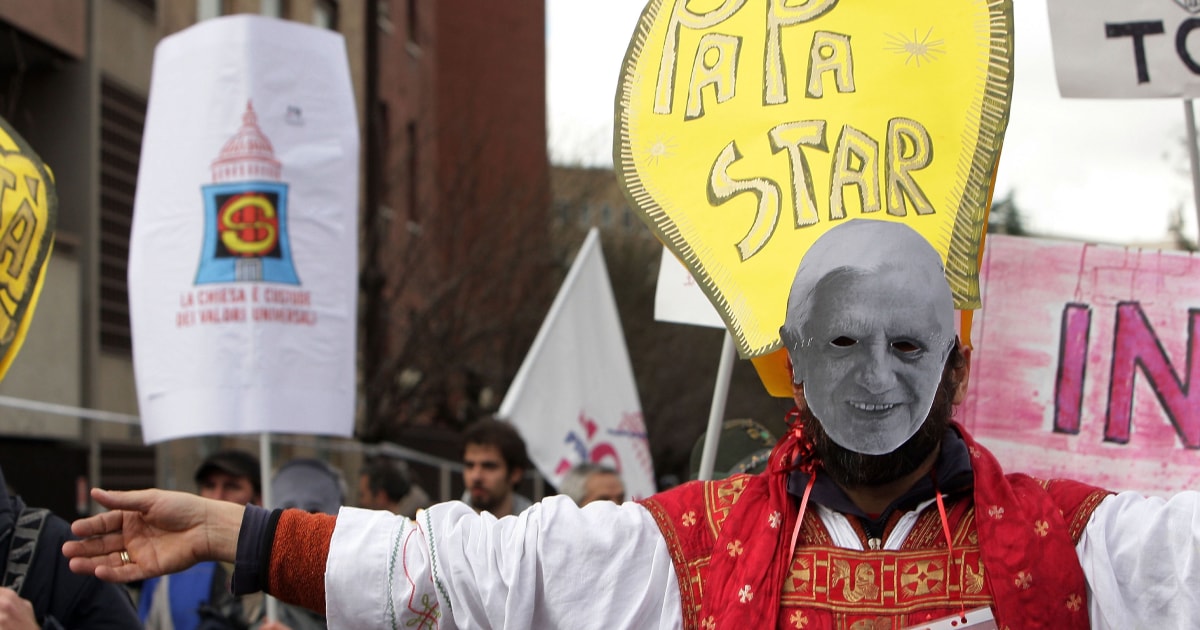
In an interview published on May 13 in il Giornale, Cardinal Bagnasco reflected on the forthcoming papal visit to the Aula Magna of Rome’s ancient university, consistently ranked as one of Italy’s best and most prestigious, while recalling the events that led to the cancellation of Benedict XVI’s planned participation in the academic inauguration 18 years ago. The cardinal, who led the Italian Episcopal Conference from 2007 to 2017, rejected the climate of protest that forced the Holy See to withdraw Benedict’s appearance.
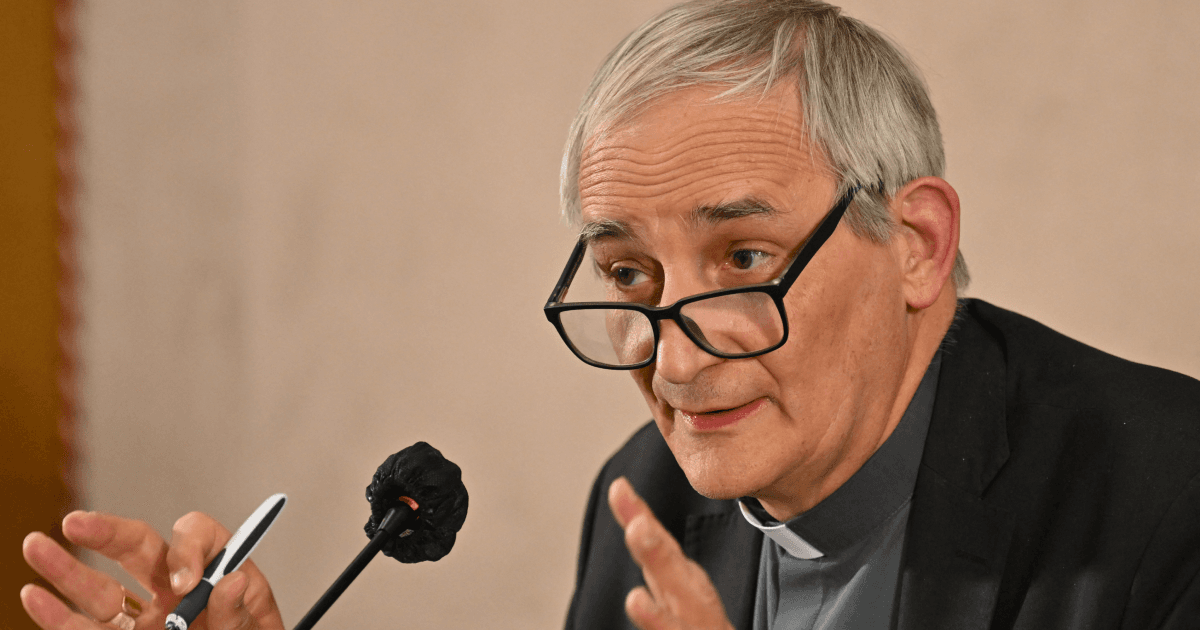
Cardinal Bagnasco stated: “The fact that Benedict XVI was prevented from inaugurating the academic year at Sapienza was a very sad event that has been heard around the world. It’s a disgraceful display of intellectual narrow-mindedness and ideological intolerance. It’s an example of democracy trampled upon by those who fear intelligence and meekness. Isn’t this obscurantism? The complete opposite of the university’s vocation: to broaden reason to seek sensible and supersensible truths.”

The 2008 episode saw 67 professors sign a letter opposing the visit, citing alleged incompatibility between Benedict’s views and the university’s secular character. Politicised student groups threatened protests, while the centre-left Prodi government reportedly urged the Vatican to cancel the engagement or even fabricate a “diplomatic illness” to avoid highlighting security concerns. The Holy See ultimately withdrew to prevent potential violence, prompting tensions between the Italian government and the Italian Bishops’ Conference under Cardinal Bagnasco.

Pope Leo XIV’s visit to Sapienza comes in the context of his recent emphasis on education, culture and the role of young people during his apostolic journey to Africa. In addresses to African students, the Holy Father spoke of the right not only to migrate in search of opportunity but also the right to remain in one’s homeland and contribute to its development.

Cardinal Bagnasco welcomed this message as having universal application. He explained: “Those words also convey love for one’s country and the responsibility to expend one’s energies, abilities and talents so that the society of one’s origin may grow for the better for all, knowing that scientific and humanistic culture also contribute to general wellbeing.”

The cardinal added that the same principle applies in the West, where many young people feel pressure to emigrate for better prospects: “Here, too, the right to leave applies, but also the right to stay and return.”

Cardinal Bagnasco expressed confidence that Pope Leo XIV’s presence at Sapienza would help heal memories of the 2008 controversy. He noted that the Church does not hide from criticism but grows stronger through such trials. “Many, faced with this, were strengthened in their faith,” he recalled of the earlier episode. Sapienza University, founded in 1303, is one of the oldest and largest in Europe.

The contrast between the 2008 cancellation and the visit by the first American-born pontiff is likely to be noted by observers as a significant moment in the relationship between the Church and Italian academic institutions. Cardinal Bagnasco, who was created a cardinal by Pope Benedict XVI in 2007, emphasised the enduring esteem in which the late German pontiff was held by many believers and fair-minded observers despite the protests.

The cardinal concluded that Benedict XVI transformed the painful episode into prayer for all involved, sustained by the support of the Italian bishops and the Catholic faithful. Pope Leo XIV’s speech at Sapienza is expected to focus on themes of reason, faith and the university’s role in forming integral human persons in service of truth and the common good.

Continue reading with a free account

Create a free account to read up to five articles each month
Create free account

You have # free articles remaining this month.

Subscribe to get unlimited access.
Sign up

subscribe to the catholic herald today

Our best content is exclusively available to our subscribers. Subscribe today and gain instant access to expert analysis, in-depth articles, and thought-provoking insights—anytime, anywhere. Don’t miss out on the conversations that matter most.
Subscribe