


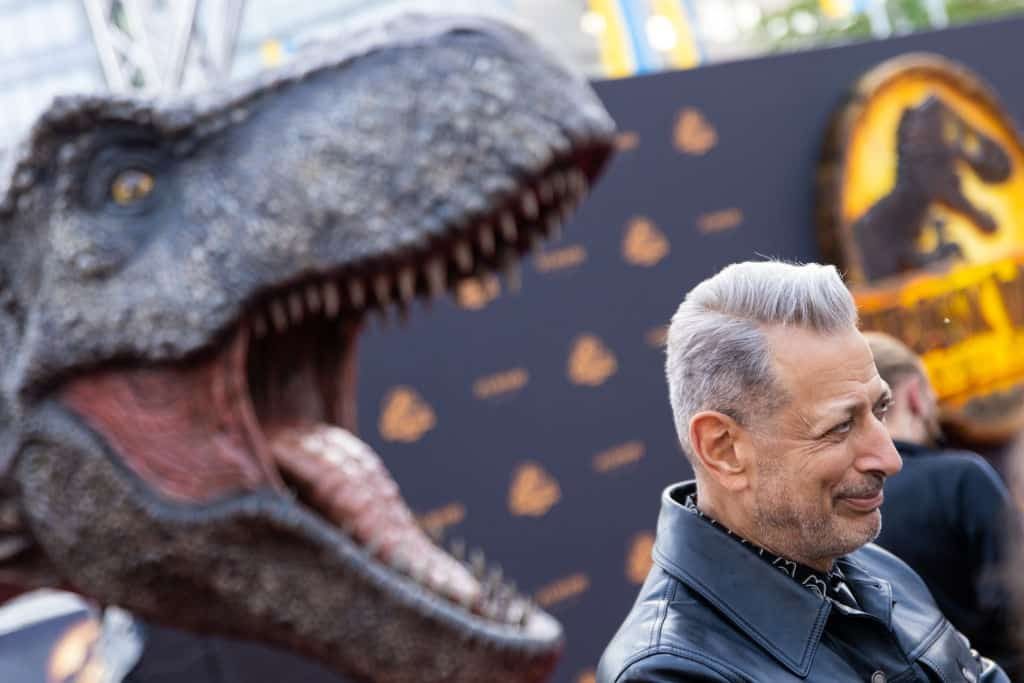
In the early 1990s the world changed. As the Cold War came to an end, technocratic scientism arose from the ashes of the old struggle among the superpowers. In the US and Europe, unparalleled material prosperity dissuaded most people from looking too closely at the possible implications of the internet and biomedical innovation. But in popular literature, Michael Crichton’s best-selling novel Jurassic Park, published in 1990, forced us to imagine all the ways we were unleashing unstoppable beasts on ourselves by trying to bend the created order to unnatural ends. It was a page-turner that fleshed out CS Lewis’s thesis in The Abolition of Man: “Man’s conquest of Nature turns out, in the moment of consummation, to be Nature’s conquest of Man.”
4:08 PM
Let them have dominion
The failure of the original amusement-park project in the first film, along with the failure of every other dinosaur-related scheme in the subsequent films, reminds us that the cult of scientism is really all for nothing.
Andrew Petiprin

5 min read



Already a subscriber? Sign in
5freearticles every month
Continue reading with a free account. No card needed.
- Five free articles every thirty days, on any device you sign in on
- The Catholic Herald newsletter, every morning
- Subscribe whenever you like for everything: every article and the magazine



subscribe to the catholic herald today
Our best content is exclusively available to our subscribers. Subscribe today and gain instant access to expert analysis, in-depth articles, and thought-provoking insights—anytime, anywhere. Don’t miss out on the conversations that matter most.
Subscribe



