February 12, 2026

Letters & emails

The Catholic Herald
More
Related
Min read
share

No excuses for shunning the persecuted

SIR – John O’Sullivan (Cover story, April 5) refers to de facto discrimination by some governments against Christian asylum seekers from Syria, under cover of nominally non-discriminatory policies, citing Australia as an example.

The UK government has a formal policy of not discriminating on grounds of faith. Yet, in the House of Lords in January, Baroness Berridge quoted figures showing that “in the second quarter of last year, only 0.08 per cent of the people who came to the UK from Syria were Christians, despite over 11 per cent of that population pre-civil war being Christians and being targeted by IS”. She echoed NGO reports that “the Government are operating a discriminatory policy against Christians”.
Lord Alton has repeatedly raised the dangers faced by minority faith groups, already displaced by religious persecution, in UN refugee camps which have been infiltrated by jihadists.

Domestic equality law in the UK has no difficulty in accepting the legitimacy of proportionate positive action to enable people from a disadvantaged group to overcome their disadvantage; this does not constitute unlawful discrimination under the Equality Act 2010.

Special recognition of the pre-existing disadvantages of Syrian Christian and other religious minority refugees would combine rationality with compassion in redressing, rather than reinforcing, the discrimination which these doubly vulnerable groups have already suffered.

Andrew Todd
Worthing, West Sussex

Did the BBC stay true to a midwife’s memoir?


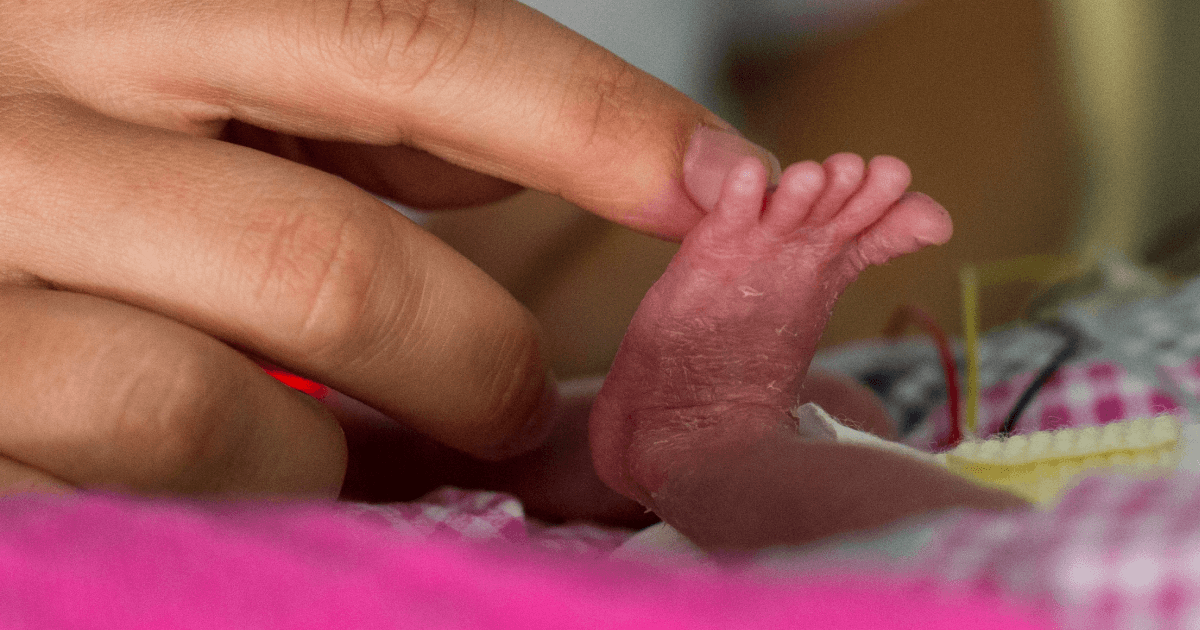
SIR – Peter Hitchens’s article (Feature, April 5) prompted me to re-read parts of Jennifer Worth’s book Call the Midwife. The “balance” to the dreadful, but thankfully brief, account (two or three paragraphs in reported speech) of a “backstreet abortion”, which took place in the atmosphere of sexual exploitation and degradation in a brothel, is actually provided in the book itself, in three chapters towards the end: these describe the premature birth of a minute 24-week baby at a loving home during a freezing London smog.

The mother had had a fall. It was her 25th (yes) pregnancy, and she nearly died. As did the baby, because Jennifer didn’t realise it was alive immediately. Once she did, everything was done with speed and efficiency, and it was the saving of the baby, and its presentation to the mother, which brought the latter back to life from a life-threatening post-natal trauma – the birth had been dreadfully painful and difficult.

The mother then refused hospital and incubator treatment for the baby, and strapped him to her breast, carrying him night and day, until he was up to normal birth weight.

Worth writes that she was convinced by this episode of the immeasurable value of the deep love shown by this baby’s parents, compared with all modern scientific methods in a hospital. The baby’s survival was greeted with nothing but joy and love.

I do not myself have a television, so I have to ask: did the BBC in its series do full justice to this second wonderful episode, or were the relative amounts of attention given to each in the book reversed? I think Worth would have been with Mary Whitehouse all the way.

Ruth Yendell
Exeter, Devon

EU freedoms


SIR – Fr Neil Evans’s letter (April 5), with its talk of “enslavement”, shows a complete misunderstanding of how the European Union works and of today’s world.

Nearly every country in the world belongs to its own regional trade grouping, of which the EU is the biggest. It is a grouping of 28 democratic states, with a system of checks and balances in its decision-making which makes it very unlikely that any one country will be outvoted on any given proposal. If, as some people want, the UK accepted what is called a “no-deal Brexit”, it would become virtually the only country in the whole of Europe, bar Russia, to be separated from all EU institutions. Peace and security throughout Europe would be put significantly at risk.

I learned as a teenager that God created all people equal, and that we should strive to build bridges not borders. That is why I was one of the 17.4 million people who voted in 1975 to confirm our membership, producing a much bigger majority than was achieved by the more recent 17.4 million voting to leave.

Finally, could Fr Evans give a single example of a freedom I will gain from leaving the EU, to make up for the freedoms I will lose?

Alan Pavelin
Chislehurst, Kent

Bigotry reborn


SIR – Being one of the hidden minority to which Sir James MacMillan refers (Charterhouse, April 4) I was grateful that he addressed Scotland’s Shame in August 1999. “Experts” may well deliver academic papers on the historic origin and difficulties that persist, but ordinary people are the ones who live out their lives on the cusp of bigotry.

The hate crime statistics, released last year, almost 20 years after that controversial address, bear witness to the fact that the antagonism towards Catholicism in Scotland is not a figment of the imagination. To believe that is to be in denial. However, the nature of the enmity has shifted because our society has changed.

In the past, the dogged faith practised by most Catholics, elicited bigotry. Nowadays, where Catholicism has been assimilated into a bland, indecipherable mishmash of belief more acceptable to society, overt bigotry has indeed lessened.

Often it has been taken to football terraces where adherence to Catholicism is mainly tribal; or to the streets of Glasgow in July where Orange Order celebrations still call forth that old antagonism, hereditary and visceral.

Where there still does exist this pesky Catholicism that stubbornly keeps the faith, there is a growing fear that holding any distinctly Catholic belief might incur the label of “hate crime”. Although this is a worldwide issue, as Sir James suggests, there is a concern that here in Scotland the present consultation to deliberate over hate crime could result in legislation stifling the freedom to express particular beliefs that give offence purely by virtue of their Catholic essence.

Let us hope that the “diversity” watchword that shapes government policy includes respect for diversity in religious views, and that the consultation’s plea, made by Lord Bracadale, for a fresh commitment to honour freedom of speech in our society, does not fall on closed ears.

Nancy Clusker
Bathgate, West Lothian

A fair ban


SIR – Graeme Morrison’s criticism (Letter, April 12) of Bishop Toal’s ban on eulogies at Catholic funerals is unfair to His Lordship, who is merely implementing paragraph 1688 of the Catechism of the Catholic Church, which lays down that “the literary genre of funeral eulogy” is to be avoided at Catholic funerals.

Philip Goddard
London SE19

No excuses for shunning the persecuted

SIR – John O’Sullivan (Cover story, April 5) refers to de facto discrimination by some governments against Christian asylum seekers from Syria, under cover of nominally non-discriminatory policies, citing Australia as an example.

The UK government has a formal policy of not discriminating on grounds of faith. Yet, in the House of Lords in January, Baroness Berridge quoted figures showing that “in the second quarter of last year, only 0.08 per cent of the people who came to the UK from Syria were Christians, despite over 11 per cent of that population pre-civil war being Christians and being targeted by IS”. She echoed NGO reports that “the Government are operating a discriminatory policy against Christians”.
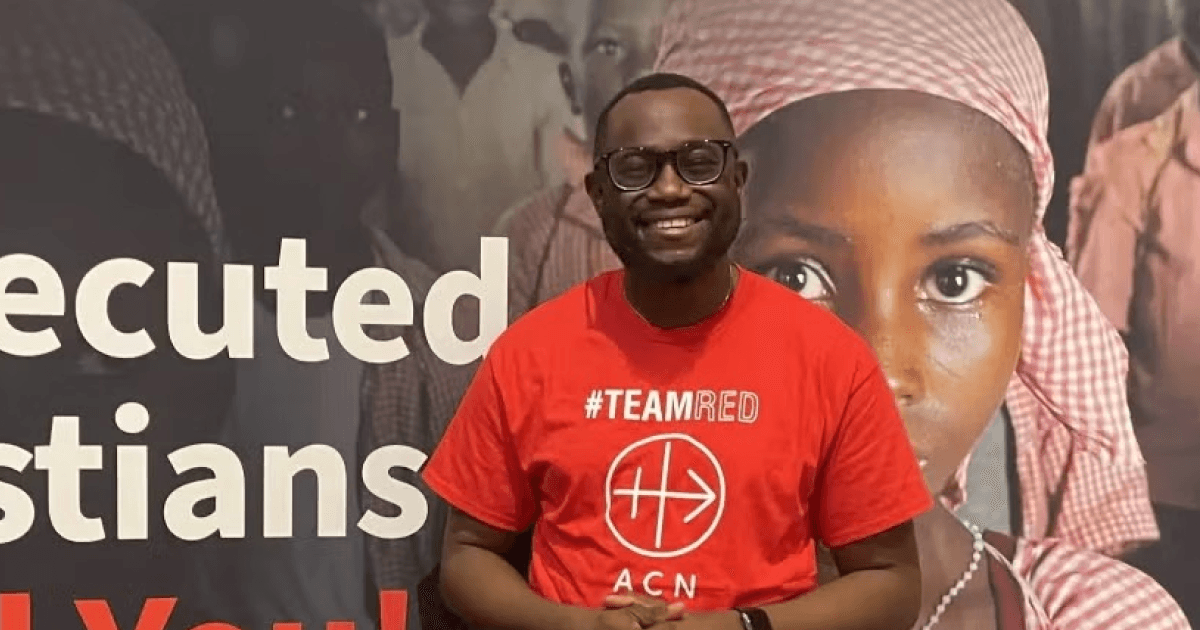
Lord Alton has repeatedly raised the dangers faced by minority faith groups, already displaced by religious persecution, in UN refugee camps which have been infiltrated by jihadists.

Domestic equality law in the UK has no difficulty in accepting the legitimacy of proportionate positive action to enable people from a disadvantaged group to overcome their disadvantage; this does not constitute unlawful discrimination under the Equality Act 2010.

Special recognition of the pre-existing disadvantages of Syrian Christian and other religious minority refugees would combine rationality with compassion in redressing, rather than reinforcing, the discrimination which these doubly vulnerable groups have already suffered.

Andrew Todd
Worthing, West Sussex

Did the BBC stay true to a midwife’s memoir?


SIR – Peter Hitchens’s article (Feature, April 5) prompted me to re-read parts of Jennifer Worth’s book Call the Midwife. The “balance” to the dreadful, but thankfully brief, account (two or three paragraphs in reported speech) of a “backstreet abortion”, which took place in the atmosphere of sexual exploitation and degradation in a brothel, is actually provided in the book itself, in three chapters towards the end: these describe the premature birth of a minute 24-week baby at a loving home during a freezing London smog.

The mother had had a fall. It was her 25th (yes) pregnancy, and she nearly died. As did the baby, because Jennifer didn’t realise it was alive immediately. Once she did, everything was done with speed and efficiency, and it was the saving of the baby, and its presentation to the mother, which brought the latter back to life from a life-threatening post-natal trauma – the birth had been dreadfully painful and difficult.

The mother then refused hospital and incubator treatment for the baby, and strapped him to her breast, carrying him night and day, until he was up to normal birth weight.

Worth writes that she was convinced by this episode of the immeasurable value of the deep love shown by this baby’s parents, compared with all modern scientific methods in a hospital. The baby’s survival was greeted with nothing but joy and love.

I do not myself have a television, so I have to ask: did the BBC in its series do full justice to this second wonderful episode, or were the relative amounts of attention given to each in the book reversed? I think Worth would have been with Mary Whitehouse all the way.

Ruth Yendell
Exeter, Devon

EU freedoms


SIR – Fr Neil Evans’s letter (April 5), with its talk of “enslavement”, shows a complete misunderstanding of how the European Union works and of today’s world.

Nearly every country in the world belongs to its own regional trade grouping, of which the EU is the biggest. It is a grouping of 28 democratic states, with a system of checks and balances in its decision-making which makes it very unlikely that any one country will be outvoted on any given proposal. If, as some people want, the UK accepted what is called a “no-deal Brexit”, it would become virtually the only country in the whole of Europe, bar Russia, to be separated from all EU institutions. Peace and security throughout Europe would be put significantly at risk.

I learned as a teenager that God created all people equal, and that we should strive to build bridges not borders. That is why I was one of the 17.4 million people who voted in 1975 to confirm our membership, producing a much bigger majority than was achieved by the more recent 17.4 million voting to leave.

Finally, could Fr Evans give a single example of a freedom I will gain from leaving the EU, to make up for the freedoms I will lose?

Alan Pavelin
Chislehurst, Kent

Bigotry reborn


SIR – Being one of the hidden minority to which Sir James MacMillan refers (Charterhouse, April 4) I was grateful that he addressed Scotland’s Shame in August 1999. “Experts” may well deliver academic papers on the historic origin and difficulties that persist, but ordinary people are the ones who live out their lives on the cusp of bigotry.

The hate crime statistics, released last year, almost 20 years after that controversial address, bear witness to the fact that the antagonism towards Catholicism in Scotland is not a figment of the imagination. To believe that is to be in denial. However, the nature of the enmity has shifted because our society has changed.

In the past, the dogged faith practised by most Catholics, elicited bigotry. Nowadays, where Catholicism has been assimilated into a bland, indecipherable mishmash of belief more acceptable to society, overt bigotry has indeed lessened.

Often it has been taken to football terraces where adherence to Catholicism is mainly tribal; or to the streets of Glasgow in July where Orange Order celebrations still call forth that old antagonism, hereditary and visceral.

Where there still does exist this pesky Catholicism that stubbornly keeps the faith, there is a growing fear that holding any distinctly Catholic belief might incur the label of “hate crime”. Although this is a worldwide issue, as Sir James suggests, there is a concern that here in Scotland the present consultation to deliberate over hate crime could result in legislation stifling the freedom to express particular beliefs that give offence purely by virtue of their Catholic essence.

Let us hope that the “diversity” watchword that shapes government policy includes respect for diversity in religious views, and that the consultation’s plea, made by Lord Bracadale, for a fresh commitment to honour freedom of speech in our society, does not fall on closed ears.

Nancy Clusker
Bathgate, West Lothian

A fair ban


SIR – Graeme Morrison’s criticism (Letter, April 12) of Bishop Toal’s ban on eulogies at Catholic funerals is unfair to His Lordship, who is merely implementing paragraph 1688 of the Catechism of the Catholic Church, which lays down that “the literary genre of funeral eulogy” is to be avoided at Catholic funerals.

Philip Goddard
London SE19

subscribe to
the catholic herald

Continue reading your article with a subscription.
Read 5 articles with our free plan.
Subscribe

subscribe to the catholic herald today

Our best content is exclusively available to our subscribers. Subscribe today and gain instant access to expert analysis, in-depth articles, and thought-provoking insights—anytime, anywhere. Don’t miss out on the conversations that matter most.
Subscribe