


The other day, in a brief, frivolous Chunnel-hop to Lille Christmas market, I tried to reclaim a mental map of what was my home town in the late 1950s, with Dad posted to the consulate and me trotting across town to the convent. I found St-Maurice, the huge church where I was confirmed with all the French paraphernalia of white dress, white socks and a box of sugared almonds, dragées, to hammer home the festive aspect of the day.
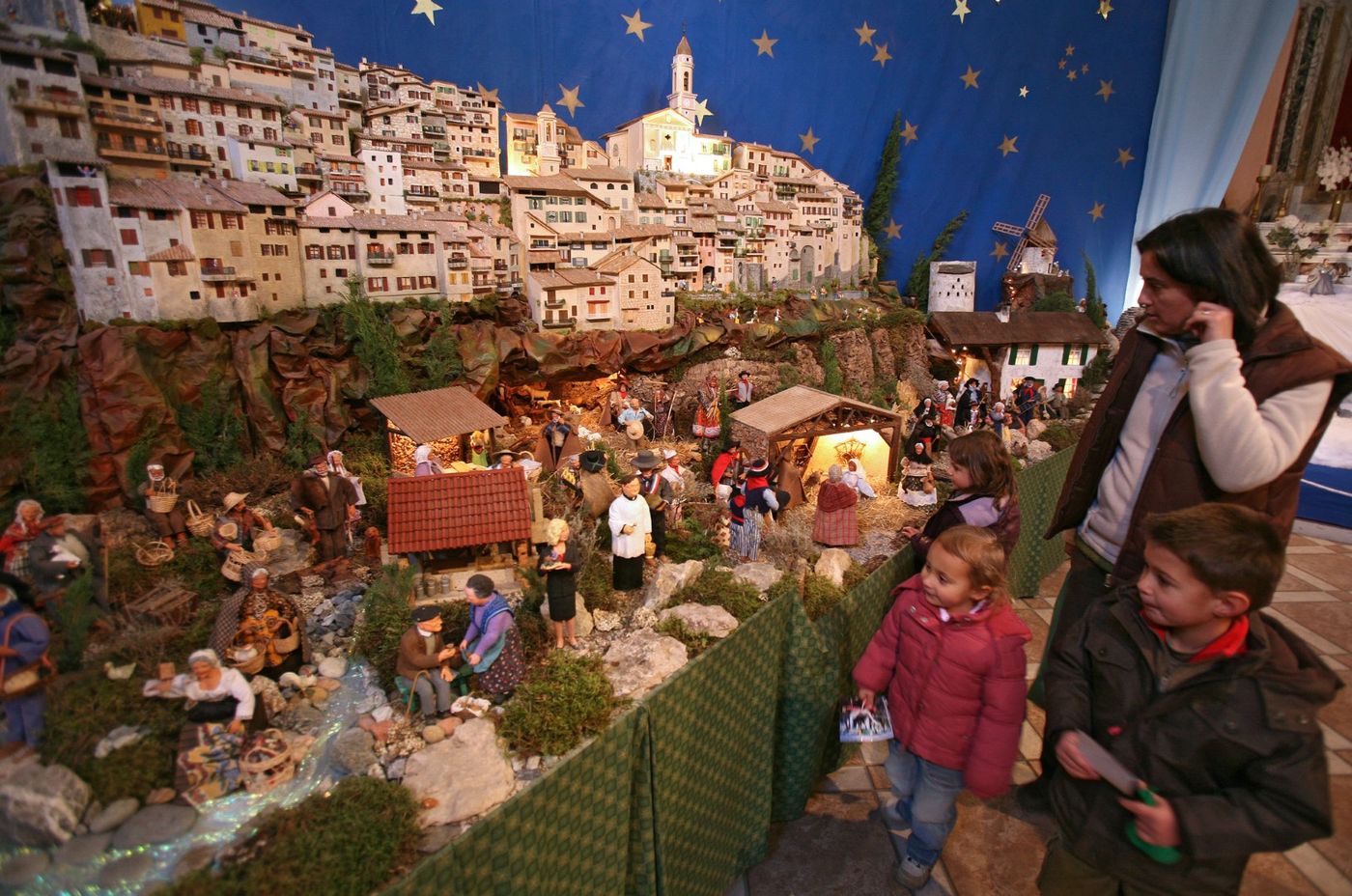
And in St-Maurice was the most hideous Nativity scene: huge figures made of paper and wire, lit from within like misshapen ghosts. I backed off. Not least because it was in this city that the seed was sown of a long crib interest. For like any French Catholic family, we had santons de Provence: homely little figures of a 19th-century mountain village hastening to the stable, each with a gift and a story. The mayor brings a scroll, the miller a sack, the midwife a cradle; Le Boumian, the brigand, throws down his tiny dagger and swears to rob no more; an old couple plead for the grace of dying on the same day; Le Ravi is the village simpleton, bringing only his upflung arms in amazement. Mary is a broad-faced peasant girl like them; only the Magi are a bit bling.