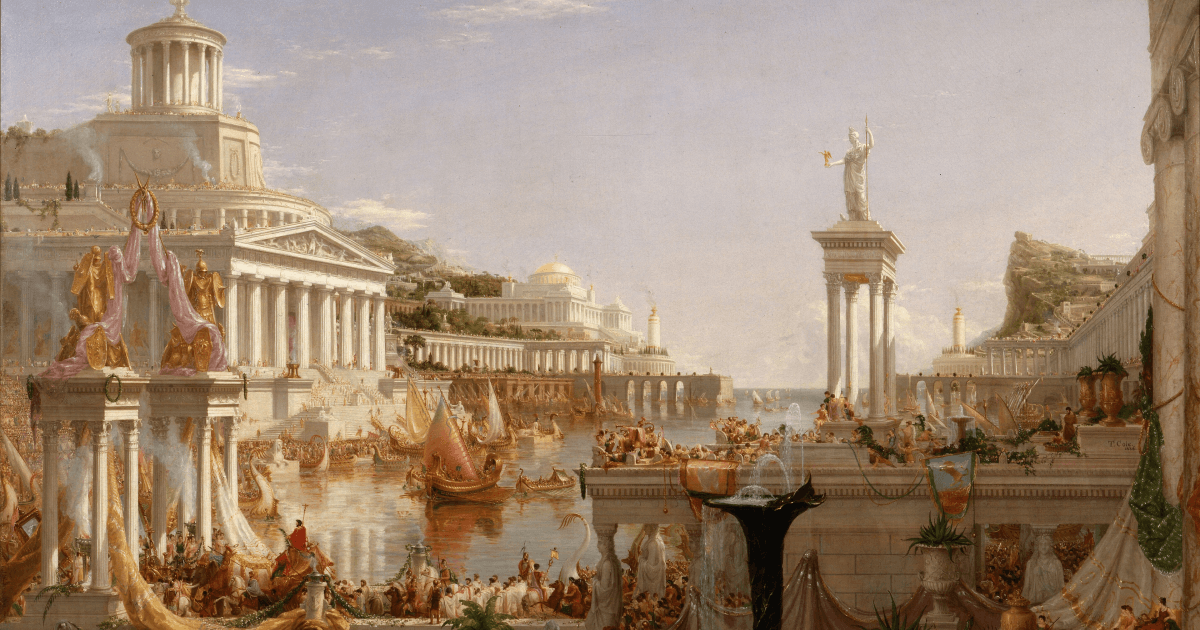


In 1506, Niccolò Machiavelli received a letter from a friend who had recently read the first part of a history he was writing about the decade they had just endured. The friend urged him to continue. If no one recorded these years properly, he warned, future generations would never believe how bad they had been. Worse, they would never forgive those who had lived through them for having lost so much, so quickly.
Ironically, that was the very decade in which Michelangelo carved the David and Leonardo painted the Mona Lisa. What posterity would remember as one of the supreme flowerings of European civilisation was experienced, by at least some of those who inhabited it, not as a golden age but as a scene of disintegration.
The anecdote stands at the opening of Ada Palmer’s magnificent Inventing the Renaissance: The Myth of the Golden Age (University of Chicago Press, 2025), a book which is ostensibly about the Renaissance but which, like all the most interesting works of history, teaches us something profound about ourselves. For the real subject of the book is not simply a period, but a habit of mind. It is the mesmerising human tendency to transform the confusion of lived experience into coherent epochs, to gather scattered events, achievements, disasters and aspirations into narratives so persuasive that, after a time, they cease to appear as narratives at all and acquire the solidity of facts.
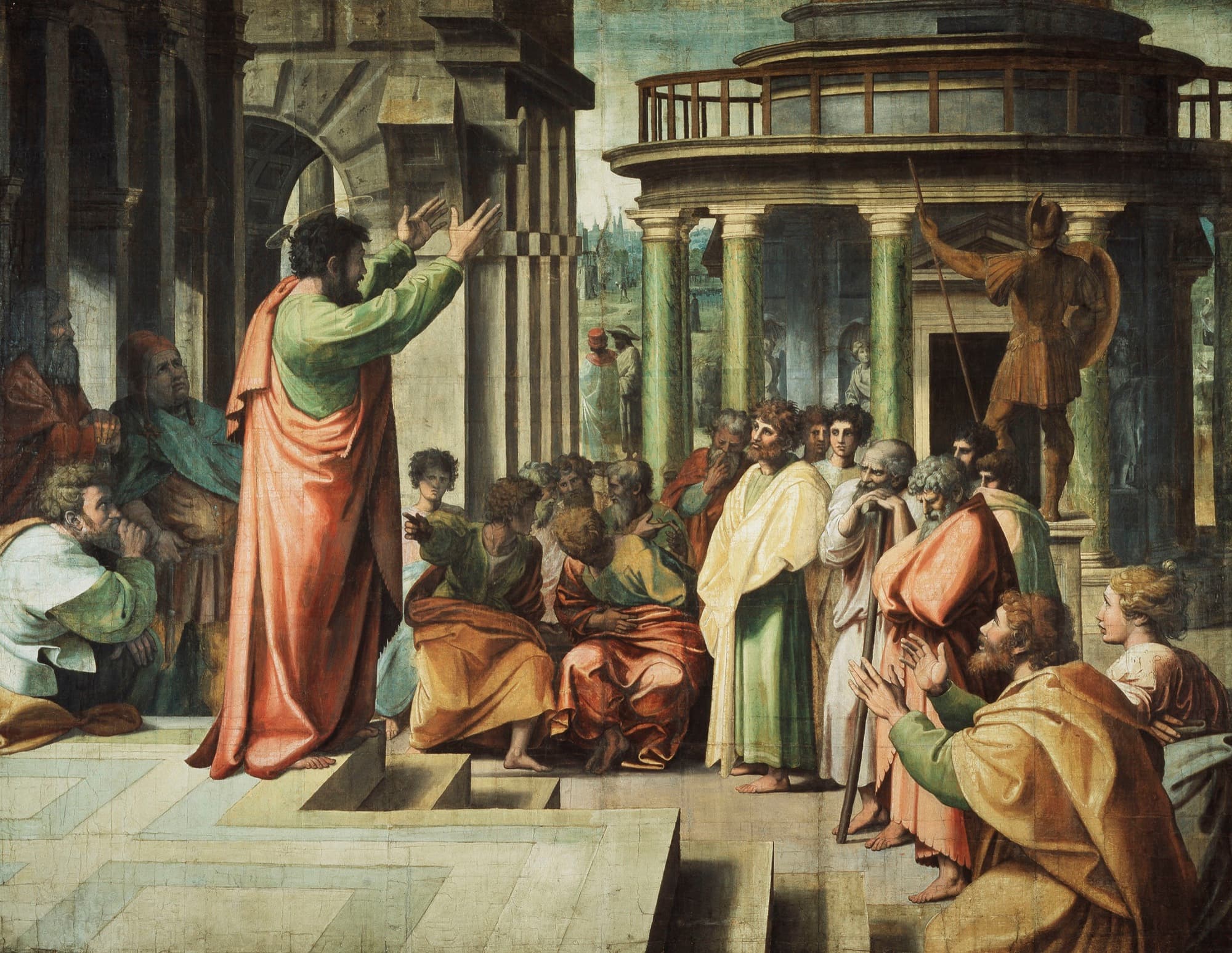
The Renaissance, at its heart, is a story that Europeans told themselves about what they had become. The masterpieces were real enough. So too were the scholars, the merchants, the princes and the artists. Yet the idea that these disparate phenomena constituted a single historical dawn, a rebirth following centuries of so-called “darkness”, emerged gradually from the work of humanists who were themselves attempting to make sense of the world around them, especially those who lamented the decline of scholarly standards, such as Petrarch. Leonardo Bruni elaborated a vision of history divided into three acts; while Antiquity became associated with “greatness” and the intervening centuries became synonymous with “decline”, his own age became that of “renewal”.
In some respects, Bruni and his contemporaries were right. There are moments in history when extraordinary concentrations of artistic, intellectual and political energy become visible and are not arbitrary. Florence in the 15th century was not interchangeable with every other city that has existed. Some periods leave behind cathedrals, others, like ours, leave behind bureaucratic systems. Of course, these distinctions matter, and the work of refining the definition of an epoch forms part of the historian’s necessary burden.
What Palmer reminds us is that every golden age is, in part, a work of cultural criticism. It automatically presumes the existence of a “dark age”, just as the dawn requires a night from which it emerges. Therefore, the invention of “darkness” is as important as the discovery of “light”, because civilisations derive enormous psychological power from convincing themselves that they stand at the threshold of renewal. To announce that a golden age has arrived, beyond the description of reality itself, is to invite participation in a collective project, the transformation of politics into destiny.
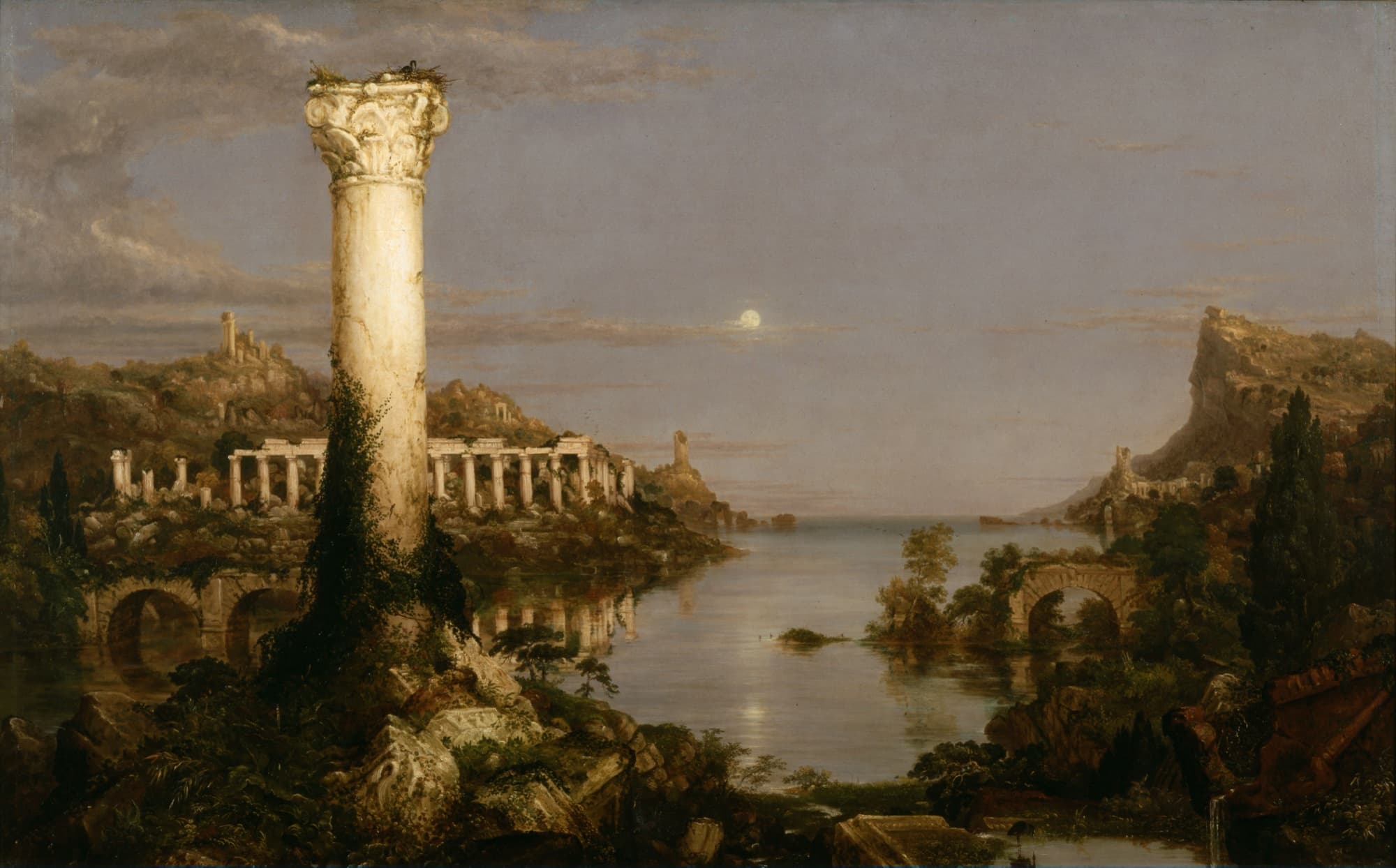
Today, and for many good, real reasons, we are obsessed with decline. Yet, unable to stop diagnosing ourselves, we seem increasingly incapable of allowing the present to remain unresolved, classifying it before it has finished unfolding, compulsively writing stories of our own moment while we still inhabit it. Like Thomas Carlyle or Friedrich Nietzsche, a multitude of commentators exhorts theories of decadence, exhaustion, capture and collapse. The West is dying. Christianity is dying. Art is dying. Democracy is dying. The details vary according to political taste, but the underlying structure is more than stable, remarkably repetitive. As we continue to think with categories inherited from Renaissance humanists, we search restlessly for our “dark age” because we long, consciously or not, for the advent of a new “golden age”.
The appetite for such explanations reveals something important. Human beings cannot endure historical meaninglessness. We require narratives. We want to know whether we stand at the beginning of a story or near its end. Yet the danger lies in becoming so fascinated by decline that we lose interest in creation.
Much contemporary cultural criticism suffers from this temptation. It offers increasingly sophisticated explanations for why nothing new can happen. Mark Fisher, in Capitalist Realism (2009), observed that it had become easier to imagine the end of the world than the end of the present system. Beyond the usual political analyses of such a remark, which are often infused with biased readings of Fukuyama’s famous The End of History and the Last Man (1992), Fisher’s observation describes an imaginative paralysis in which we struggle to conceive of a different cultural horizon, a future whose forms, symbols, institutions and works would be, in some ways, genuinely unlike our own.
A core problem of our age is that we relentlessly flatten the past into a vast archive of styles, references and aesthetic fragments, like a customisable list of ingredients detached from the conditions that once gave them force. Everything remains available; nothing disappears. Yet nothing truly arrives either. We browse history as consumers rather than inhabit it as participants, losing confidence in our ability to generate new forms of inheritance. And so our thirst for cultural renewal is starved by our incapacity to invent the future concretely.
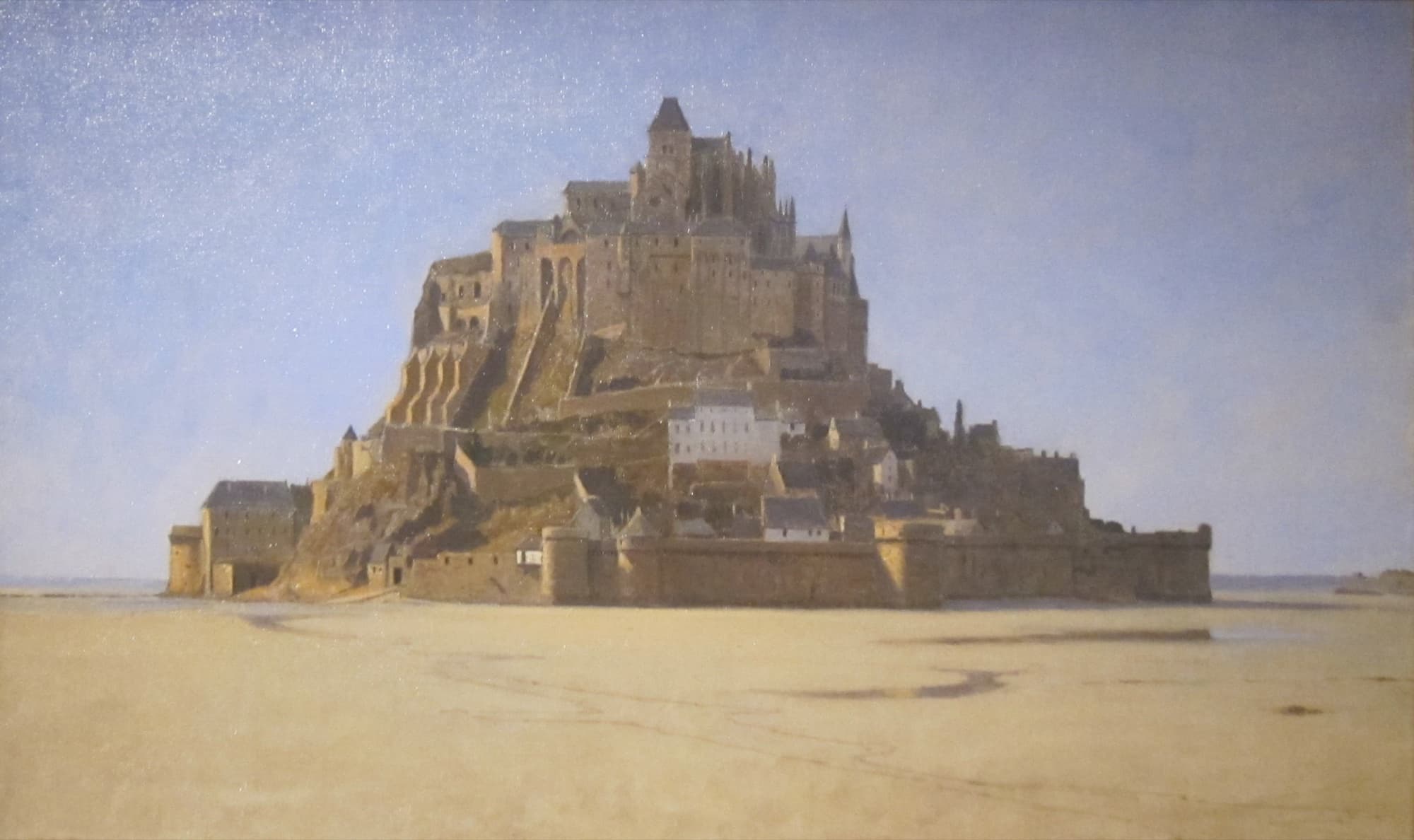
This is why arguments about golden ages matter. They are never only about the past. They are arguments about the future. A society that continually declares itself trapped in darkness eventually begins to behave as though no alternative exists. Navel-gazing criticism becomes an end in itself. Self-referential diagnosis dissolves all energy that could be allocated towards building with confidence, the same energy that animated, for instance, the medieval and Victorian mind. Our imagination, instead, folds back upon the present. Have we become so attached to describing the present darkness that we have forgotten how to light a fire?
Christianity offers a different orientation: “The one who has hope lives differently; he has been granted the gift of a new life” (Benedict XVI, Spe Salvi, 2007). The faith possesses a tragic understanding of history. It knows that civilisations decay because it knows that human beings are fallen. Yet it also refuses the closed horizon implied by every theory of inevitable decline. In The City of God, St Augustine exhorts his readers that human history is vastly greater and more enduring than the Roman Empire. In his Sermon 105, preached after the Sack of Rome, the same thought inhabits him: “Rome has collapsed and your hearts are outraged by this. Rome was built by men like yourself. Since when did you believe that men had the power to build things that are eternal?”

.png)